
Around the World in 48 Teams
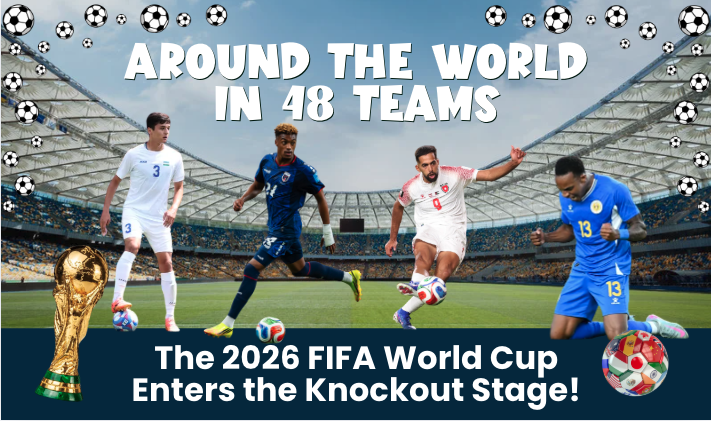
The 2026 FIFA World Cup Enters the Knockout Stage!
One month ago, the world's biggest sporting event kicked off across Canada, Mexico, and the United States, introducing students to 48 nations, dozens of cultures, hundreds of players, and countless opportunities for learning. Now, the tournament has reached one of its most exciting moments: the knockout rounds! With historic upsets and triumphant comebacks already played, students’ interest in these teams and places are heightened. But instead of simply learning who the countries are, students can now discover and research facts, compare statistics, investigate geography, predict winners, and celebrate one of the world's greatest cultural events.
Cinderella Stories of 2026
Every World Cup introduces countries that surprise the soccer world. This year was no exception:
Cape Verde
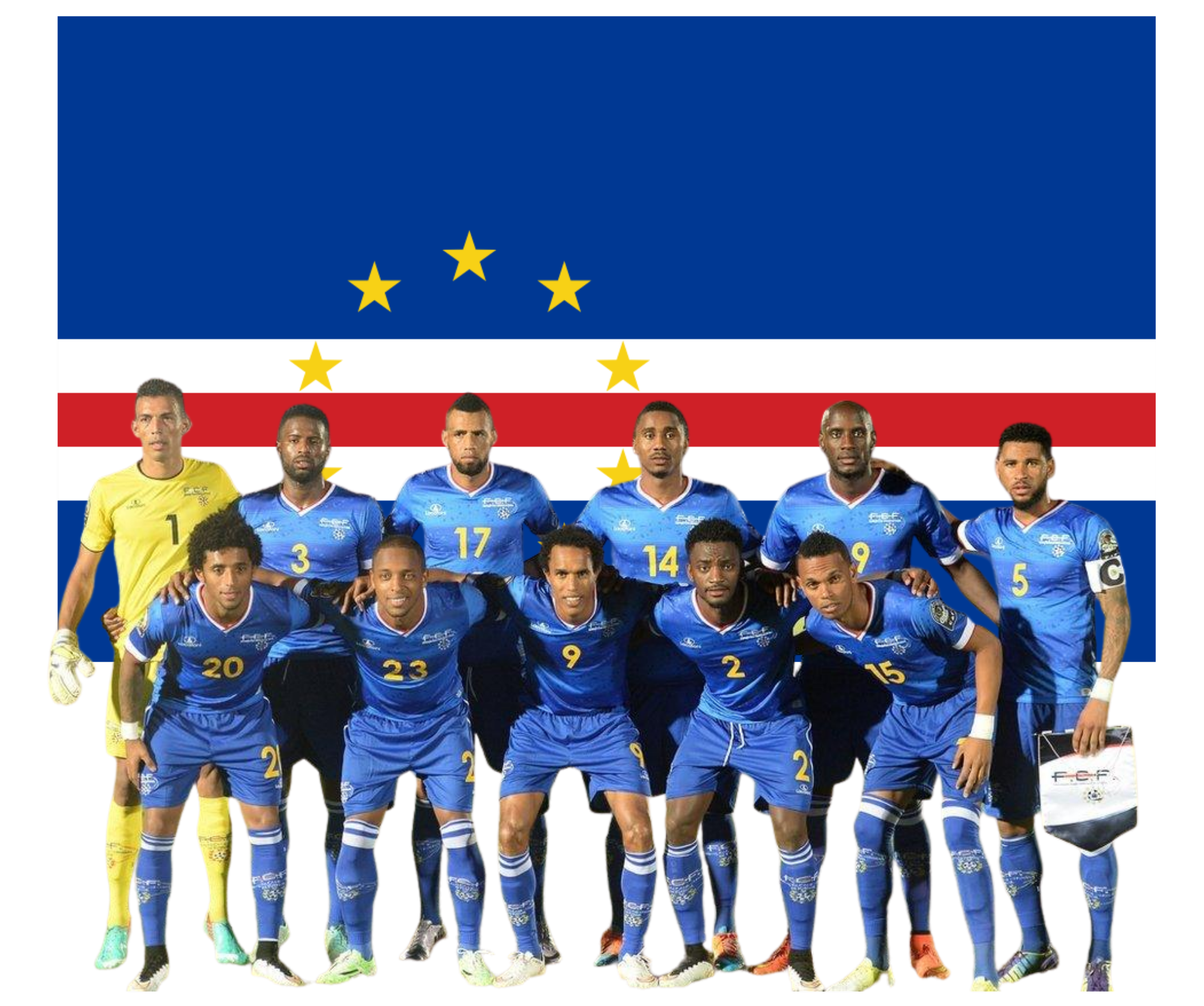
⚽ Qualified for its first-ever World Cup
⚽ Tiny island nation
⚽ Population only about 610,000
Jordan
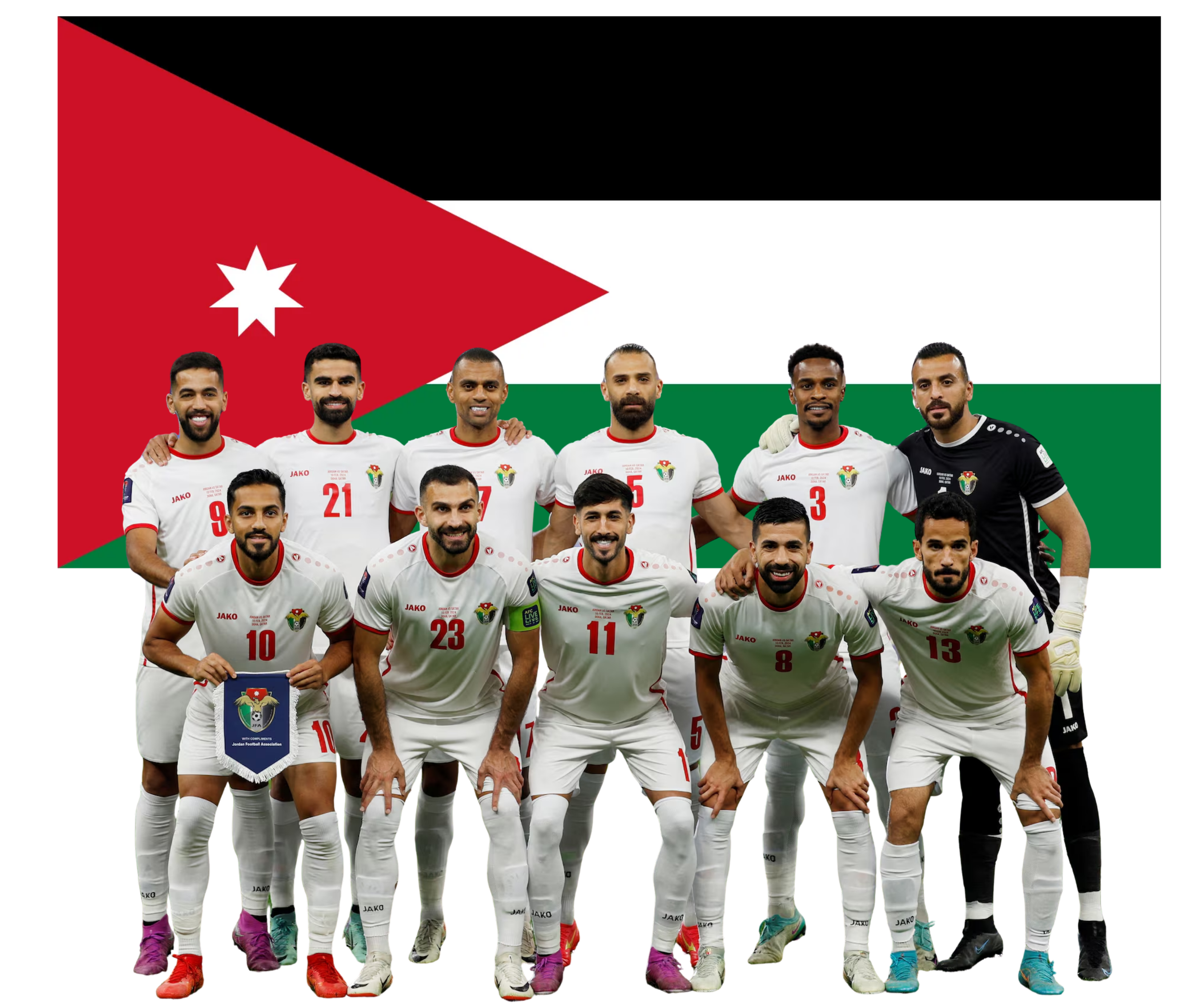
⚽ Qualified for the first time after an incredible run in the Asian Cup.
Curaçao
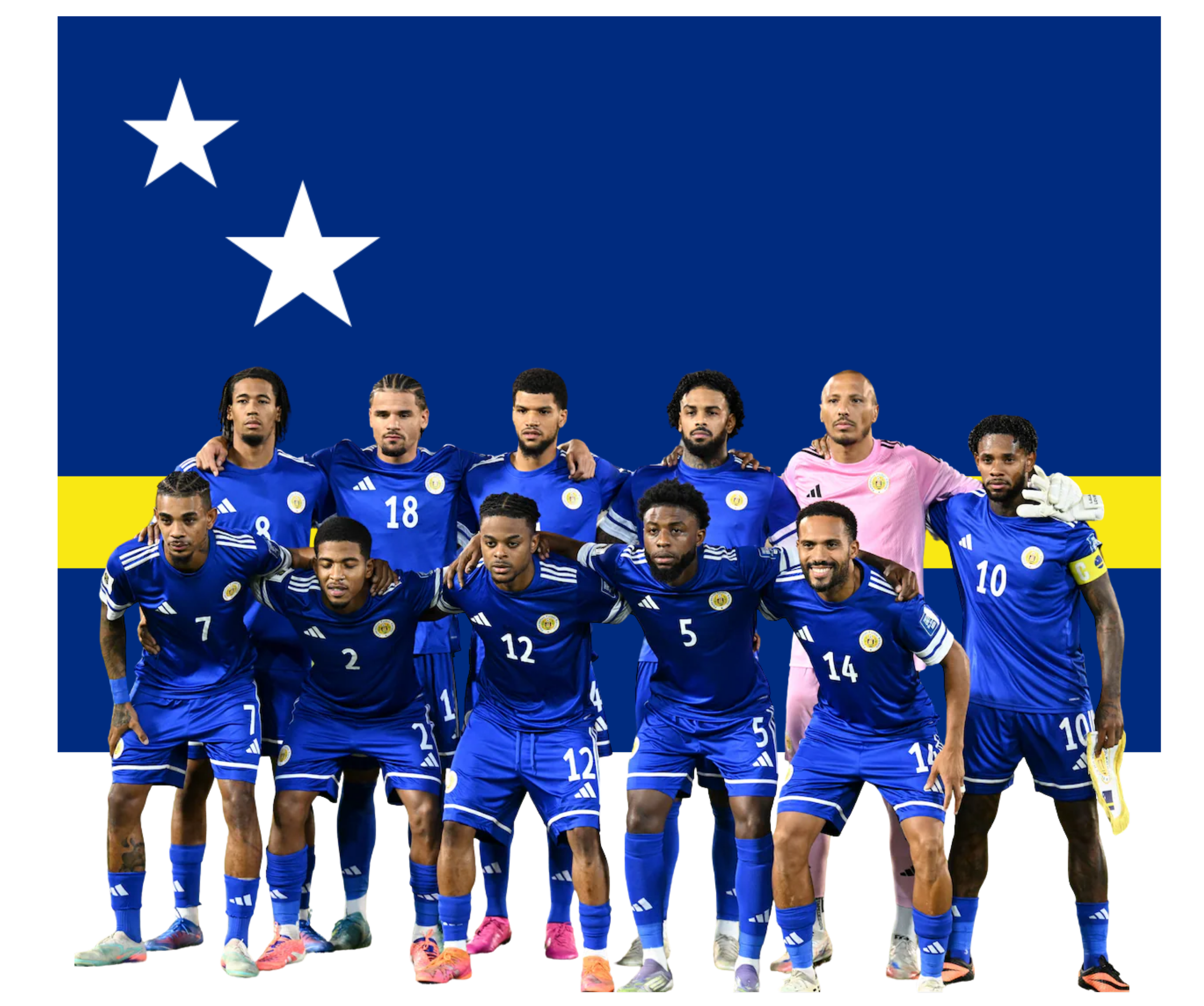
⚽ Another World Cup debut
⚽ Population around 185,000
⚽ One of the smallest countries ever to qualify
Uzbekistan
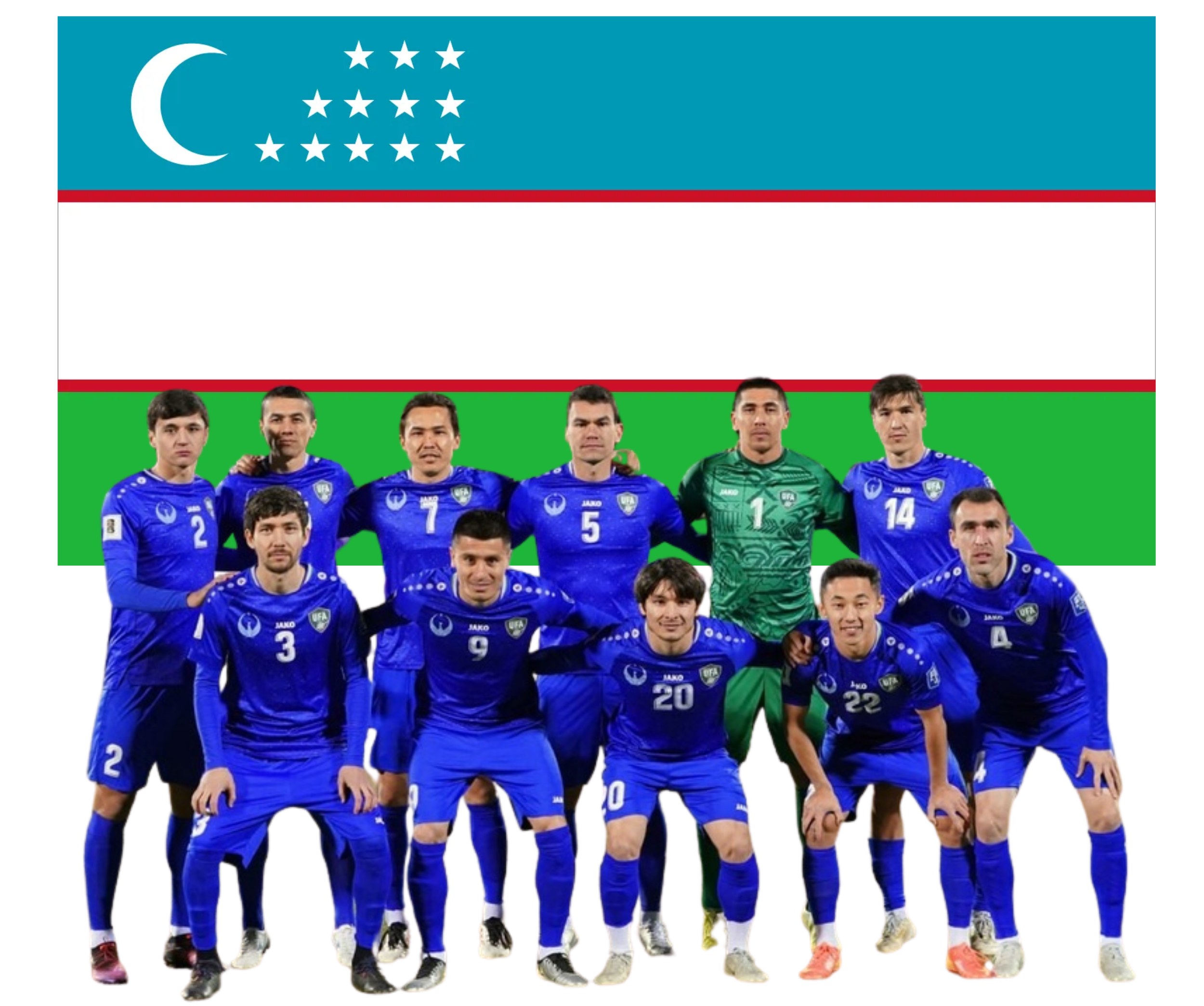
⚽ Finally reached its first FIFA World Cup after decades of trying.
⚽ Every tournament creates new heroes.
Some teams that exceeded expectations include:
Morocco
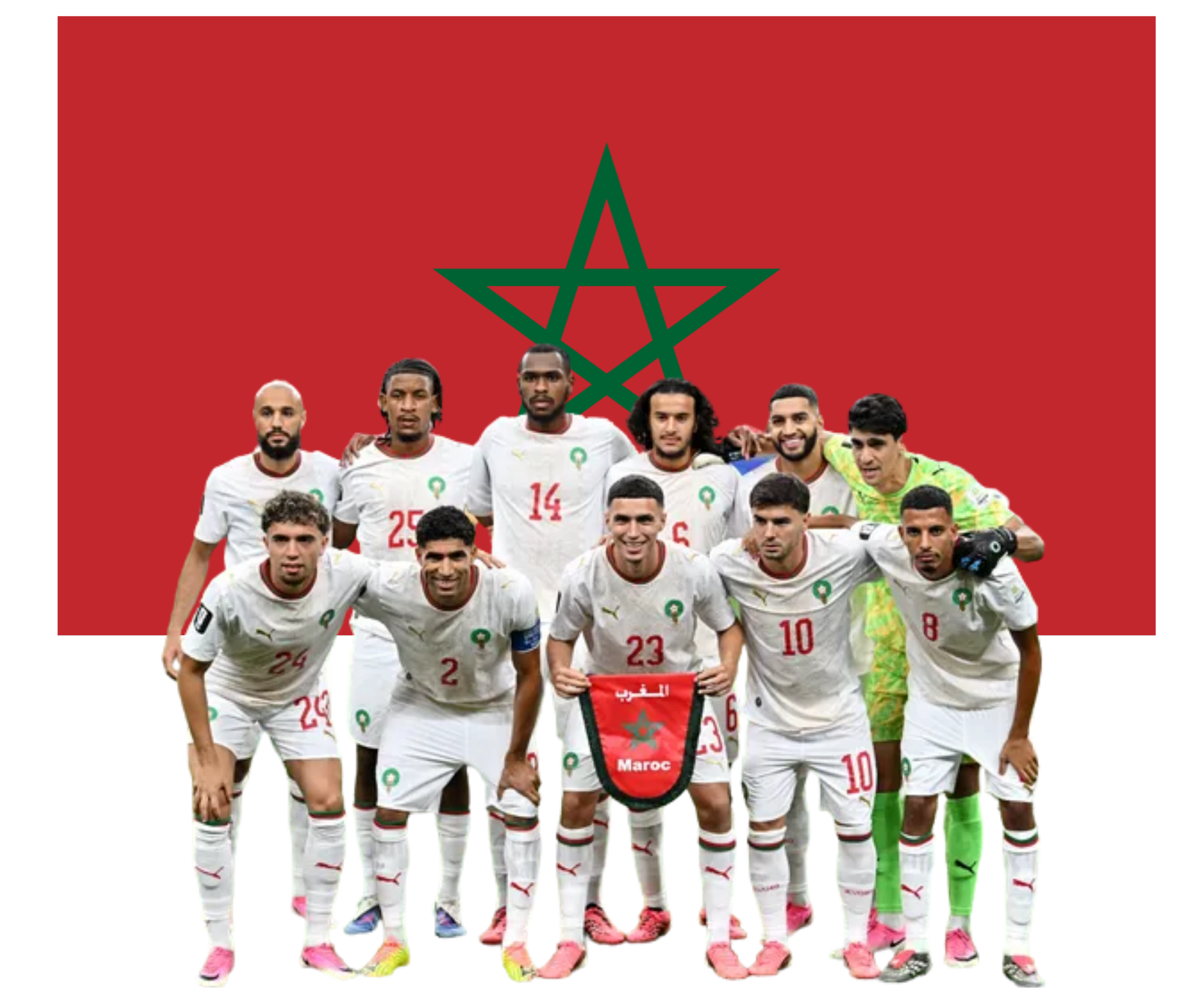
⚽ Following their magical 2022 semifinal run, Morocco continued to prove they belong among football's elite.
Colombia
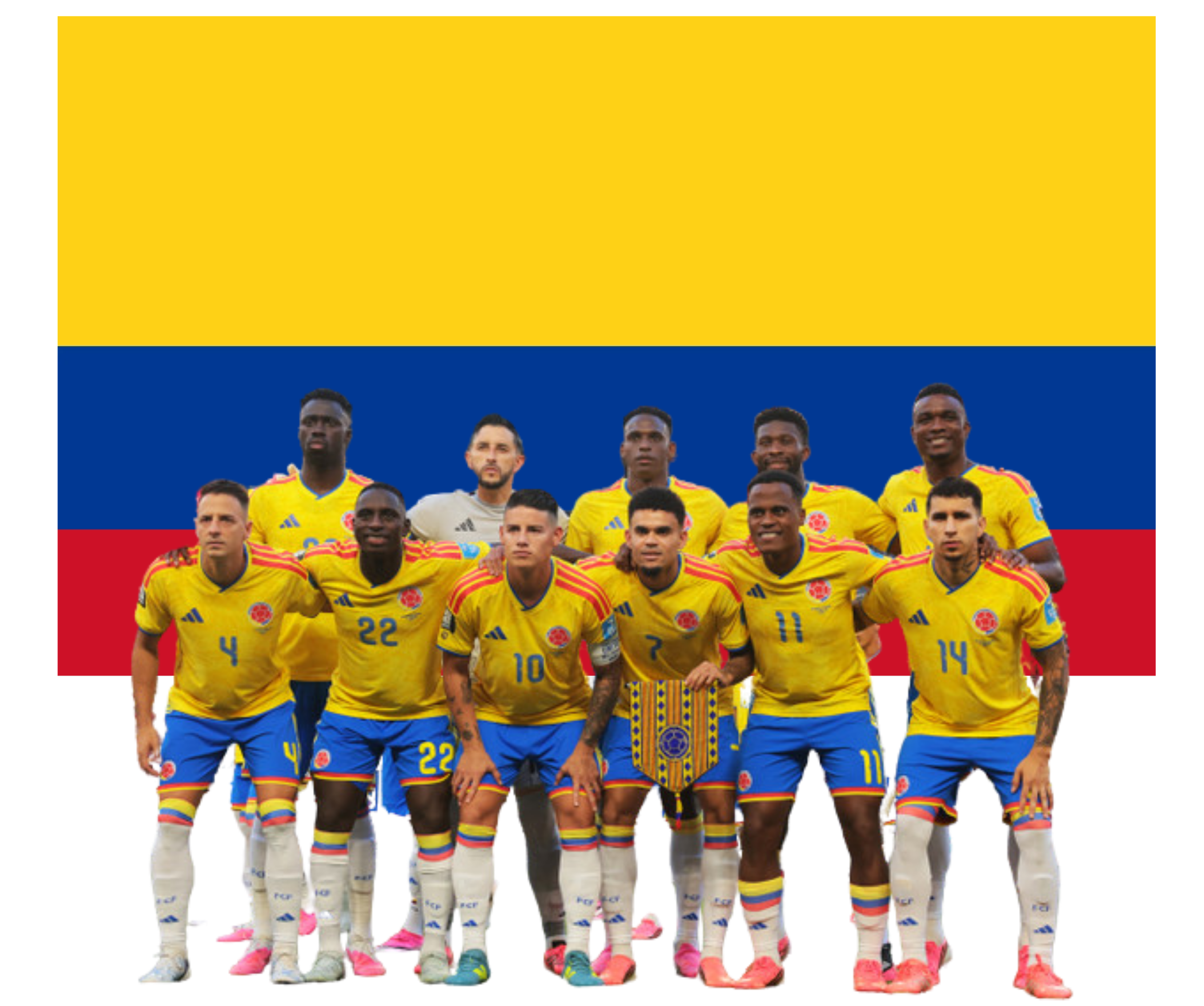
⚽ Continued their exciting resurgence and advanced to the knockout rounds.
Norway
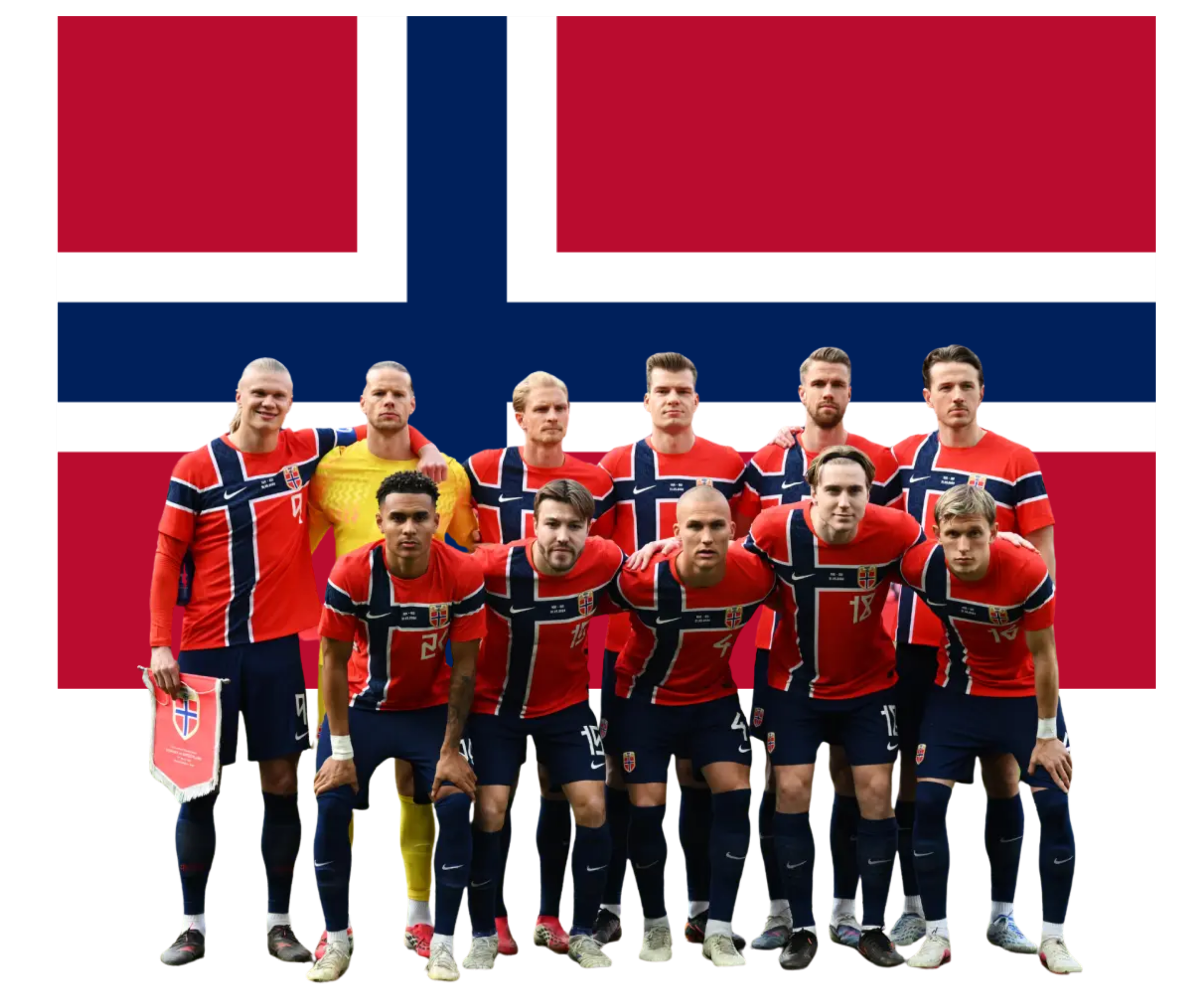
⚽ Powered by one of Europe's strongest young squads, Norway reached the quarterfinals for the first time in decades.
Canada
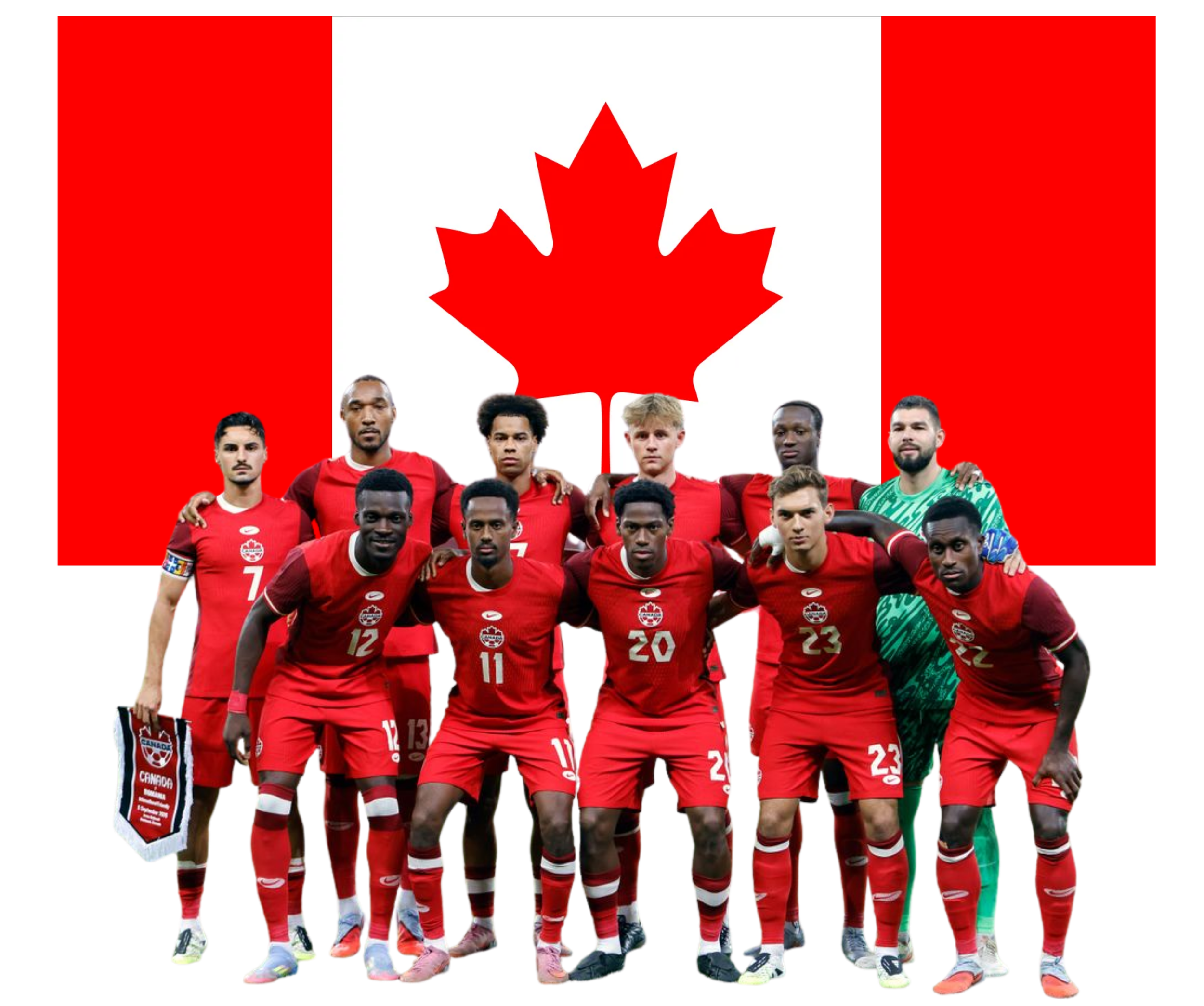
⚽ As co-hosts, Canada thrilled home crowds and continued building one of the strongest soccer programs in North America.
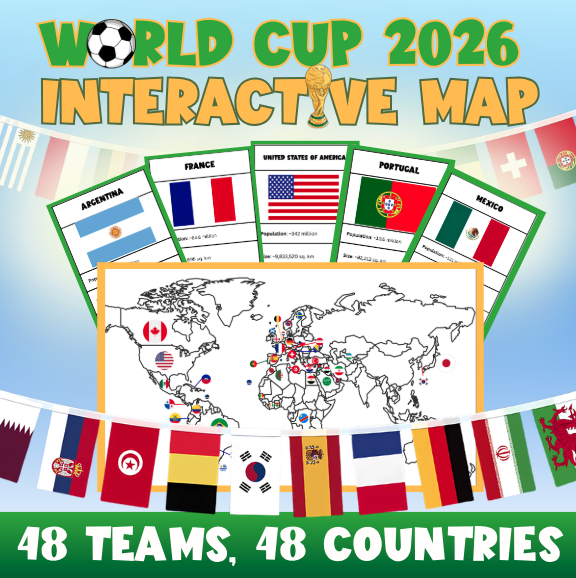
Students can locate every one of these countries in the 2026 FIFA World Cup Map Packet and learn some fun World Cup superlatives, making geography feel like an active treasure hunt instead of memorization.
Bring the Tournament Home
One of the greatest things about the World Cup is that it naturally brings together history, geography, mathematics, literacy, culture, economics, and teamwork. Families don't have to be lifelong soccer fans to join the excitement.
Try these ideas together:
Watch a quarterfinal match and locate both countries on a map.
Cook a traditional meal from one of the remaining nations.
Learn how to say "goal!" or "good luck!" in another language.
Compare national flags and discuss what their colors and symbols represent.
Create a family prediction bracket before the semifinals begin and see whose picks come closest.
The conversations often become just as memorable as the matches.
World Cup Activities
Geography Challenge
Using the World Cup Map Packet, have students:
Find every remaining quarterfinalist.
Determine which continent each represents.
Estimate which countries are closest together.
Compare land area and population.
Identify whether any are island nations.
Prediction Bracket
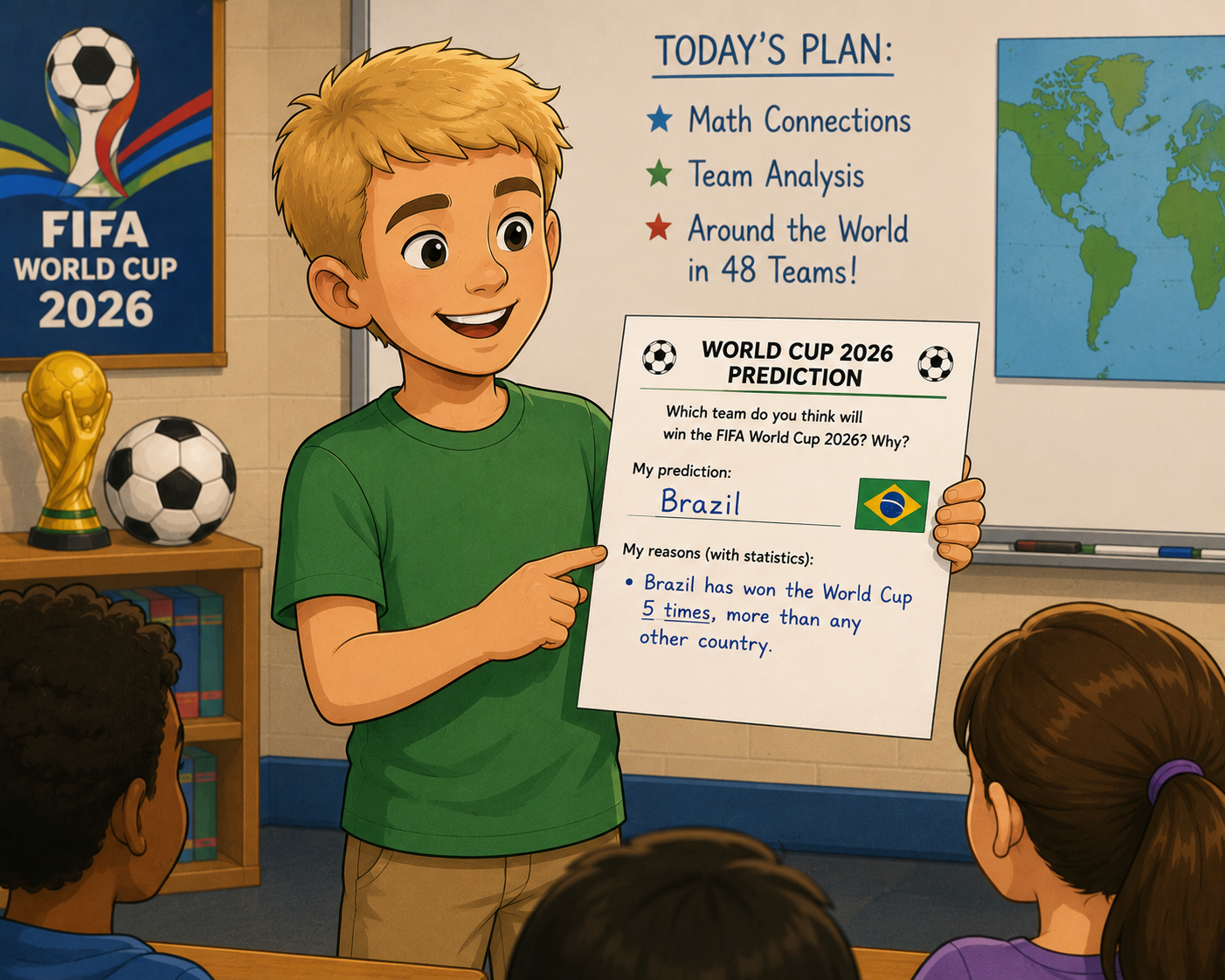
Ask students:
Who will win?
Who will score the most goals?
Which matchup will be the closest?
Have them justify their predictions using statistics, geography, or tournament performance.
Math Connections
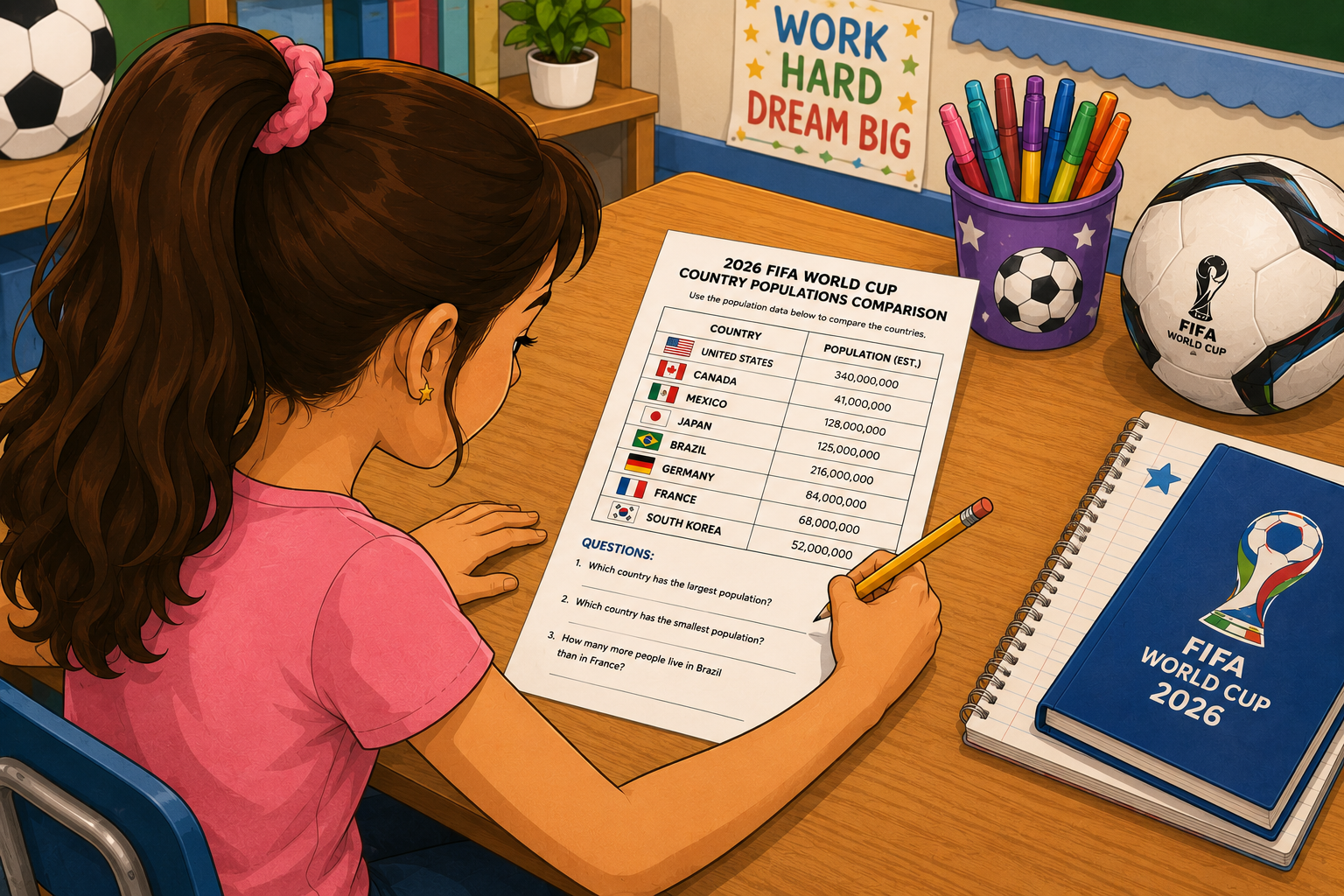
Students can:
Calculate winning percentages.
Compare country populations.
Estimate travel distances between host cities.
Create graphs showing remaining teams by continent.
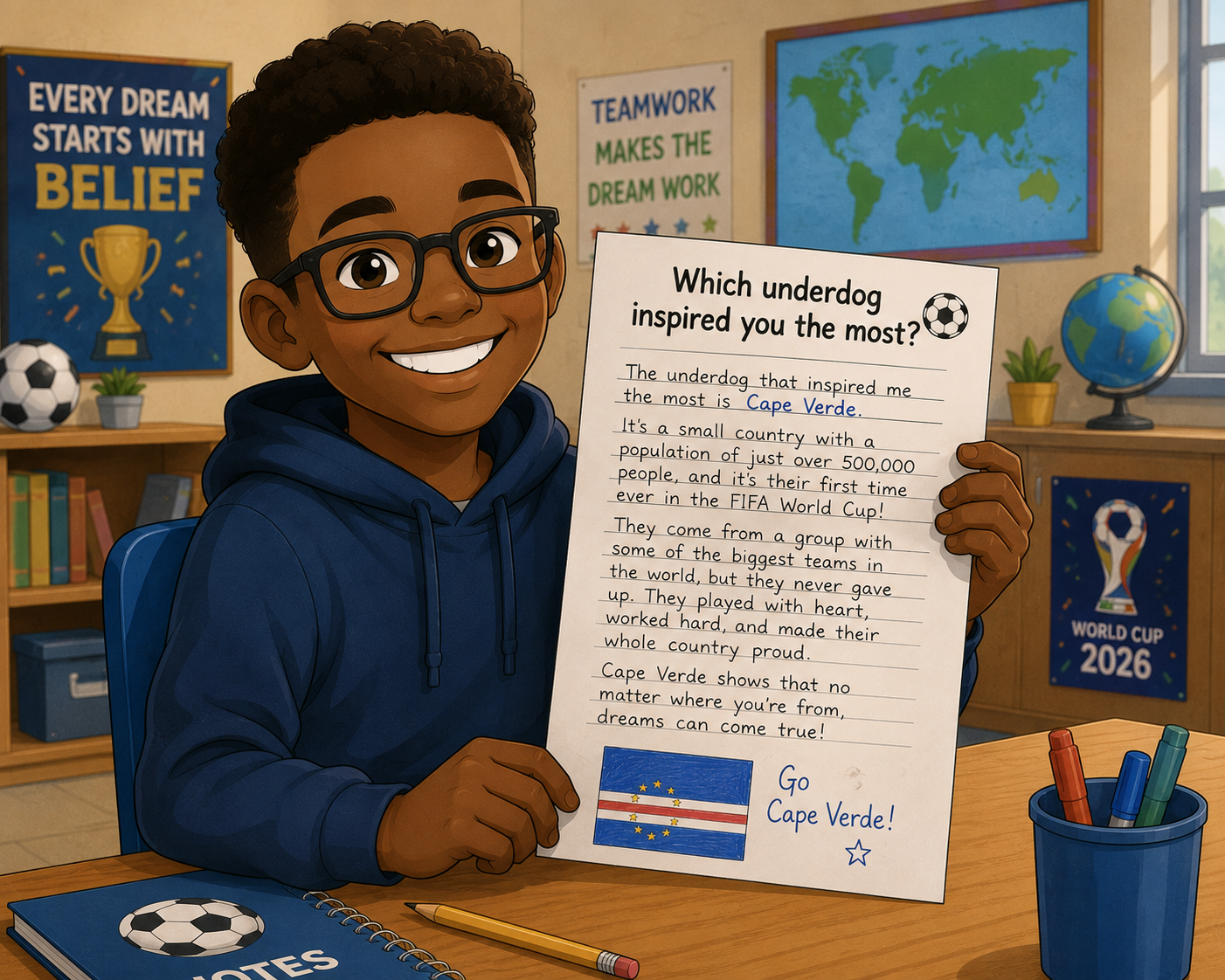
Writing Prompts
If your country reached the World Cup Final, how would your hometown celebrate?
Which underdog inspired you most?
Should the World Cup stay at 48 teams?
Design a mascot for the next World Cup.
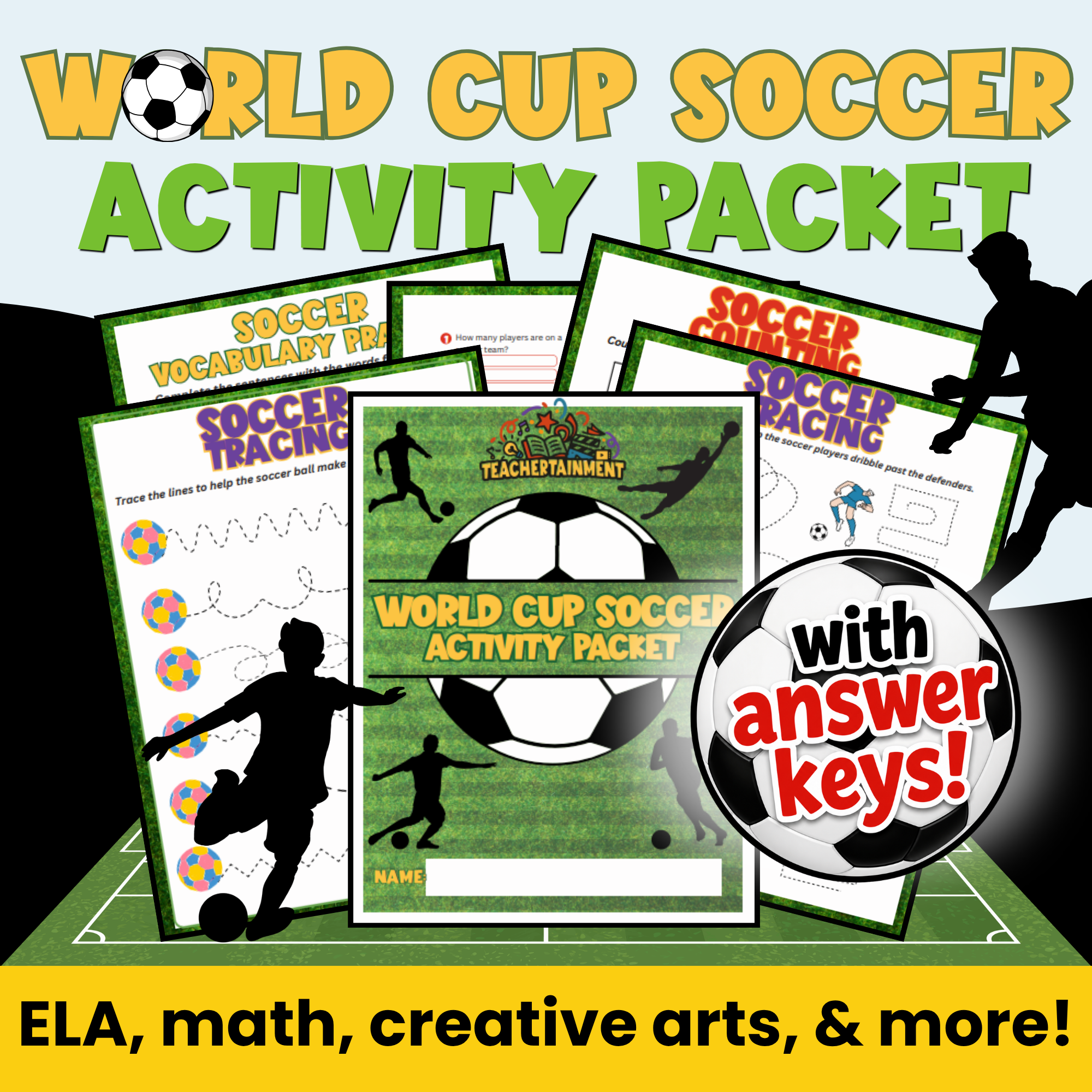
Vocabulary Review
Revisit the World Cup Soccer Activity Packet to reinforce soccer terminology now that students have watched real matches. Words like goalkeeper, referee, pass, midfielder, and stadium become much more meaningful after seeing them in action. The packet also includes reading comprehension, counting activities, word searches, and additional literacy practice for younger learners.
Keep the Scoring Learning Going!

Whether you're teaching in a classroom, homeschooling, running a summer program, or simply looking for engaging activities while following the tournament, Teachertainment has resources to help students connect soccer with meaningful learning.
2026 FIFA World Cup Map & Country Guide features all 48 participating nations, geographic activities, country facts, and memorable superlatives that bring world geography to life.
World Cup Soccer Activity Packet reinforces vocabulary, reading comprehension, math, critical thinking, and soccer fundamentals for elementary learners.
As the tournament races toward its dramatic finale, every match becomes another opportunity to explore the world, celebrate different cultures, and remind students that learning can happen anywhere, even on the world's biggest soccer stage.
Jake Perlman is the founder of Teachertainment, blending education, entertainment, and pop culture to turn learning into an unforgettable experience.
