
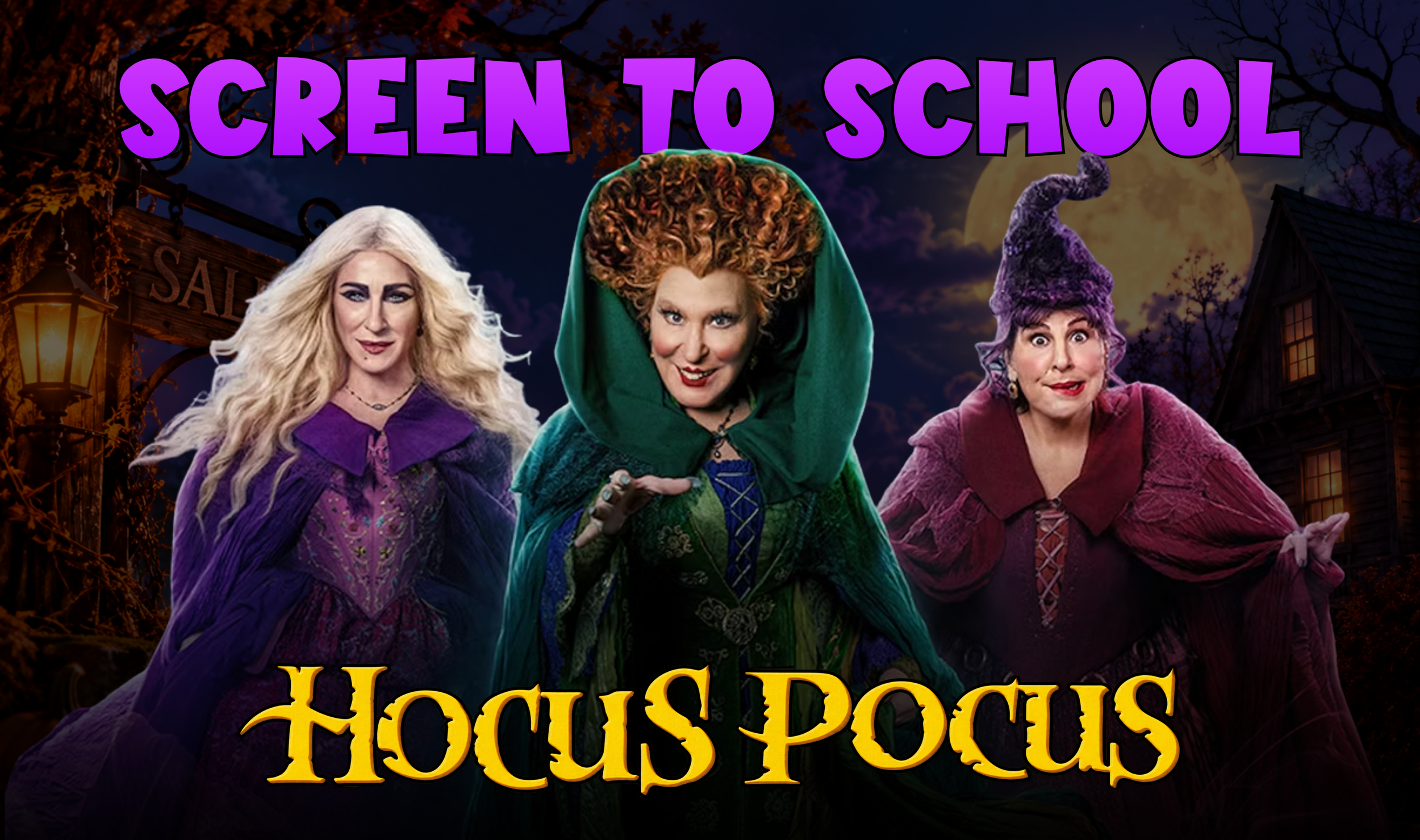
Welcome to Screen to School, a Teachertainment original series where we discover the lessons hiding in our favorite movies and television shows.
Some shows are practically classrooms in disguise. The Magic School Bus takes us on educational adventures, Bill Nye the Science Guy makes experiments entertaining, and Schoolhouse Rock! turns everything from multiplication to the Constitution into catchy tunes. But what about the movies and TV shows that never intended to teach us anything?
That's where Screen to School comes in! We're uncovering the surprising lessons hiding in our favorite entertainment and finding creative ways to bring them into the classroom. From history and science to math, language arts, and everything in between, sometimes the best teaching tools aren't textbooks.
And what better way to kick off October than with three witches who've been raising spirits (and causing trouble) in Salem for more than 30 years?
We're starting with Disney's Hocus Pocus, the 1993 Halloween classic starring Bette Midler, Sarah Jessica Parker, and Kathy Najimy as the spellbinding Sanderson sisters. Between a talking cat, flying vacuum cleaners, and a very unfortunate Black Flame Candle, there's more educational magic here than you might expect.
So grab your spell books, sharpen your pencils, and come, we fly... straight into the curriculum!
HOCUS POCUS
Three witches, one unlucky black cat, and 300 years of history.
1993 | Suggested grades 2–6 | History, ELA, math, science, geography, media literacy, SEL
Behind the Screen: A Little Hocus Pocus History
Despite becoming one of Disney's most recognizable Halloween movies, Hocus Pocus was actually released in July 1993. Apparently, someone at Disney thought the perfect time for a movie about Halloween witches was the middle of summer. The film was directed by Kenny Ortega, whose other credits include Newsies, the High School Musical trilogy, and Descendants. In other words, the man knows his way around a musical number. Although Hocus Pocus wasn't initially a major box-office success, it eventually found a devoted audience through television broadcasts and home viewing. Its popularity ultimately led to the release of Hocus Pocus 2 in 2022. And while the Sanderson sisters are fictional, the setting of Salem, Massachusetts, gives us our first major educational connection.
The School Connection: History vs. Hollywood
Subject: Social Studies | Grades 4–6
The movie begins in Salem in 1693, when the Sanderson sisters are accused of witchcraft.
It's an entertaining opening, but it also creates an opportunity to distinguish between historical fact and Hollywood fiction. The real Salem witch trials occurred primarily in 1692, when accusations of witchcraft spread through colonial Massachusetts. Twenty people were executed, and many others were imprisoned. Unlike the Sanderson sisters, the people accused in the actual trials were not supernatural villains. They were real people who suffered because of fear, suspicion, unreliable evidence, and failures of justice. That's an important distinction, especially when introducing this history to younger students.
TRY IT IN CLASS: History vs. Hollywood. Students create a two-column chart distinguishing documented history from the movie’s inventions, then research Salem using museum and historical sources.
THE BIG QUESTION: Why do filmmakers change historical events, and why is it important to distinguish fiction from evidence?
Teaching note: The trials involved real persecution and injustice. Treat their victims respectfully rather than framing the historical events as spooky entertainment.
The School Connection: Salem, Sweet Salem
Subject: Geography | Grades 3–5

The Sanderson sisters might know Salem like the backs of their broomsticks, but would your students be able to find it on a map? Located on the northeastern coast of Massachusetts, Salem offers a great opportunity to explore geography, regional history, and the relationship between a city's past and present. And Salem is more than witches and Halloween decorations. Its history also includes maritime trade, immigration, and an important role in early American commerce.
TRY IT IN CLASS: The Sanderson Sisters’ Travel Agency. Students map Salem, identify nearby bodies of water and historical landmarks, and design a brochure that includes at least one attraction unrelated to witchcraft.
THE BIG QUESTION: How can a city acknowledge difficult history while welcoming visitors?
The School Connection: Science or Sorcery?
Subject: Science & Technology | Grades 3–6
One of the funniest recurring jokes in Hocus Pocus is watching the Sanderson sisters attempt to navigate the modern world. After spending 300 years away, they're suddenly confronted with cars, paved roads, electricity, televisions, and, perhaps most impressively, a vacuum cleaner that doubles as transportation. To the sisters, these everyday inventions might as well be magic. And honestly, try explaining Wi-Fi to someone from 1693 without sounding like you're casting a spell. But that's exactly what makes this such a great science activity.
TRY IT IN CLASS: The Sanderson Science Fair. Explain a vacuum cleaner, airplane, refrigerator, or smartphone to someone living in 1693. Use labeled diagrams and accurate scientific vocabulary.
THE BIG QUESTION: Which modern invention would seem most magical to someone from 300 years ago?
The School Connection: Double, Double, Math and Trouble!
Subject: Math | Grades 3–5
What's a witch without a potion? While we don't recommend recreating the Sanderson sisters' actual recipes, fictional potions make excellent opportunities to practice fractions, measurement, and proportional reasoning. After all, one incorrect ingredient could ruin the entire spell. Or, in the case of a classroom math lesson, produce an improper fraction. Equally terrifying.
TRY IT IN CLASS: Give students a pretend recipe using 2 cups of moonwater, 1/2 cup of stardust, 3/4 cup of pumpkin juice, and 1/4 cup of spider silk. Double, halve, and triple it. Then calculate the elapsed time from 1693 to 1993.
THE BIG QUESTION: Why do precise measurements matter in real recipes?
The School Connection: Spellbinding Words
Subject: English Language Arts | Grades 2–5
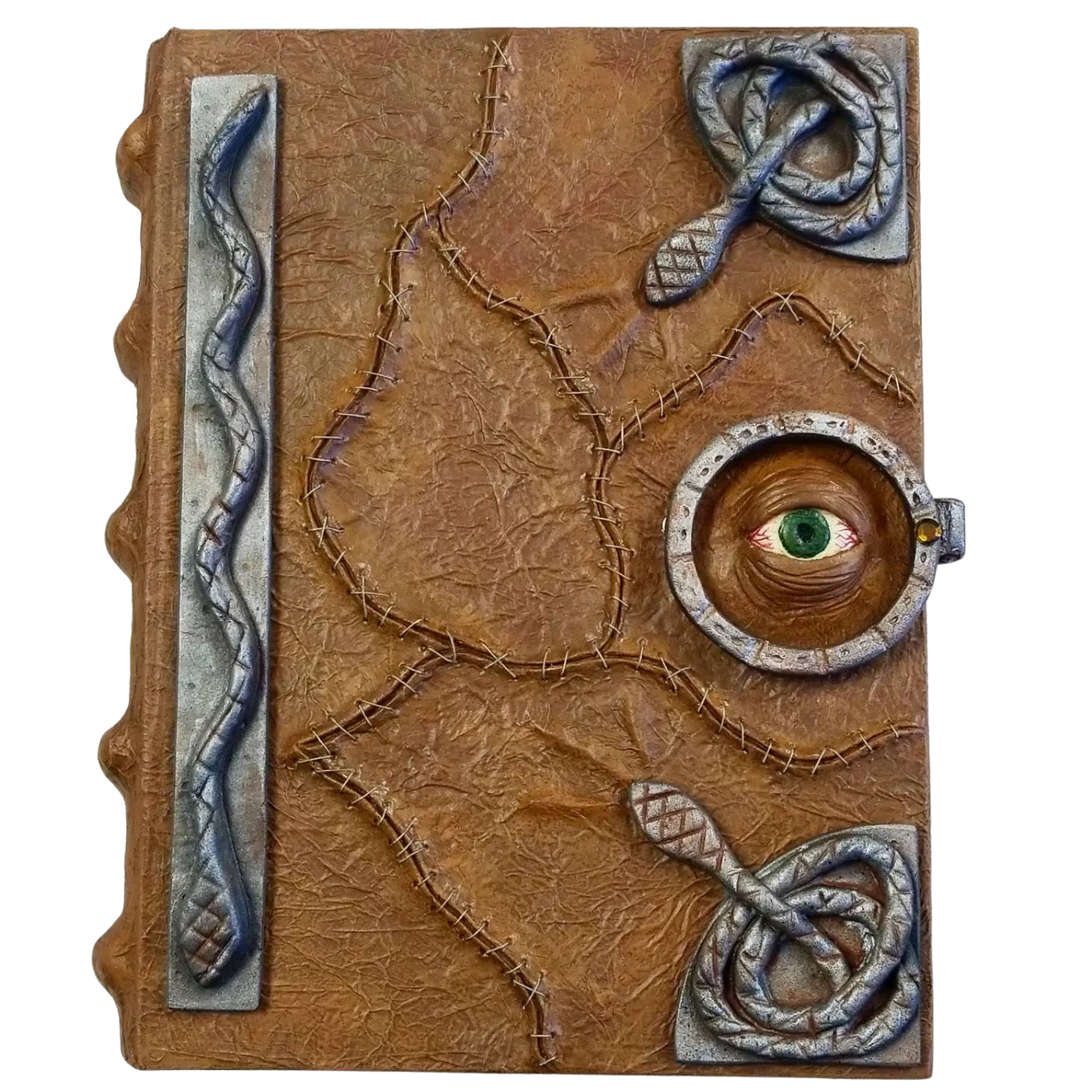
The Sanderson sisters might not be the most reliable role models, but there's no denying they have a way with words. Between their elaborate spells, dramatic declarations, and Winifred's seemingly endless supply of insults, Hocus Pocus offers plenty of opportunities to explore creative language. And since spells often use rhyme, rhythm, repetition, and descriptive vocabulary, they're practically poetry wearing a Halloween costume.
TRY IT IN CLASS: Students write an original fictional spell using three literary devices, then annotate their choices and perform it aloud.
THE BIG QUESTION: Why do rhyme and repetition make words memorable?
The School Connection: Which Witch Is Which?
Subject: Reading Comprehension & Character Analysis | Grades 3–6
Winifred, Sarah, and Mary Sanderson may be sisters, but they couldn't be more different. Winifred is commanding, ambitious, and quick-tempered. Sarah is playful and easily distracted. Mary is loyal, observant, and often more practical than her sisters. Together, they're a perfect example of how writers create distinct characters through dialogue, actions, and relationships. And they're a pretty good reminder that working with your siblings isn't always a recipe for success.
TRY IT IN CLASS: Create a three-way character comparison using specific scenes as evidence. Identify each sister’s strengths, weaknesses, and impact on the group.
THE BIG QUESTION: Can a fictional villain have admirable traits while still making harmful choices?
The School Connection: A Little More Than Sisterhood
Subject: Social-Emotional Learning | Grades 2–5
Beneath the witches, spells, and flying household appliances, Hocus Pocus has a surprisingly heartfelt story about family. Max spends much of the movie annoyed by his younger sister, Dani. But when danger arrives, he realizes how much she means to him. And Thackery Binx's story begins with his attempt to save his younger sister, Emily. Both relationships offer opportunities to explore courage, empathy, responsibility, and the complicated feelings that come with family relationships.
TRY IT IN CLASS: Discuss fictional sibling conflicts and brainstorm constructive responses.
THE BIG QUESTION: Can you be frustrated with someone and still care deeply about them?
Beyond the Credits
Students create a mini Hocus Pocus learning guide with three subjects, such as a Salem timeline, fictional potion fractions, or an explanation of a movie effect. Every activity must teach something real, even when the inspiration is fictional.
That's a Wrap!
The Sanderson sisters might have spent 300 years waiting to return to Salem, but we certainly don't need to wait that long to discover the educational possibilities hiding in our favorite entertainment. A historical setting becomes a social studies investigation. A magical potion becomes a fractions lesson. A talking cat opens the door to filmmaking technology. And three very different witches provide a surprisingly useful lesson in character development.
That's the whole idea behind Screen to School. We don't have to choose between entertainment and education. Sometimes the best way to get students excited about learning is to start with something they're already excited about. And if that something happens to involve Bette Midler flying through Salem on a broomstick, even better.
The credits may roll, but the learning doesn't have to stop. That's how we take entertainment from Screen to School.
Education that entertains. Entertainment that educates.
Jake Perlman is the founder of Teachertainment, blending education, entertainment, and pop culture to turn learning into an unforgettable experience.
SCREEN TO SCHOOL REPORT CARD
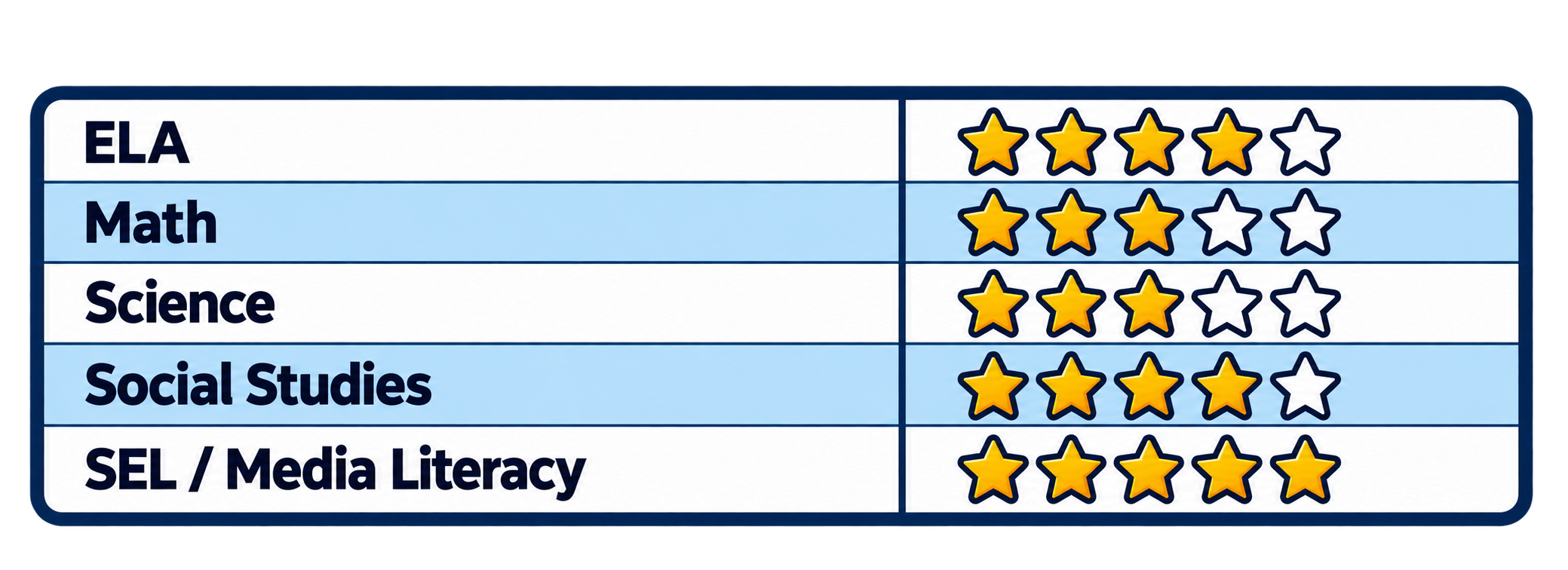
Editorial ratings reflect the strength of classroom connections, not film quality or age suitability.
