
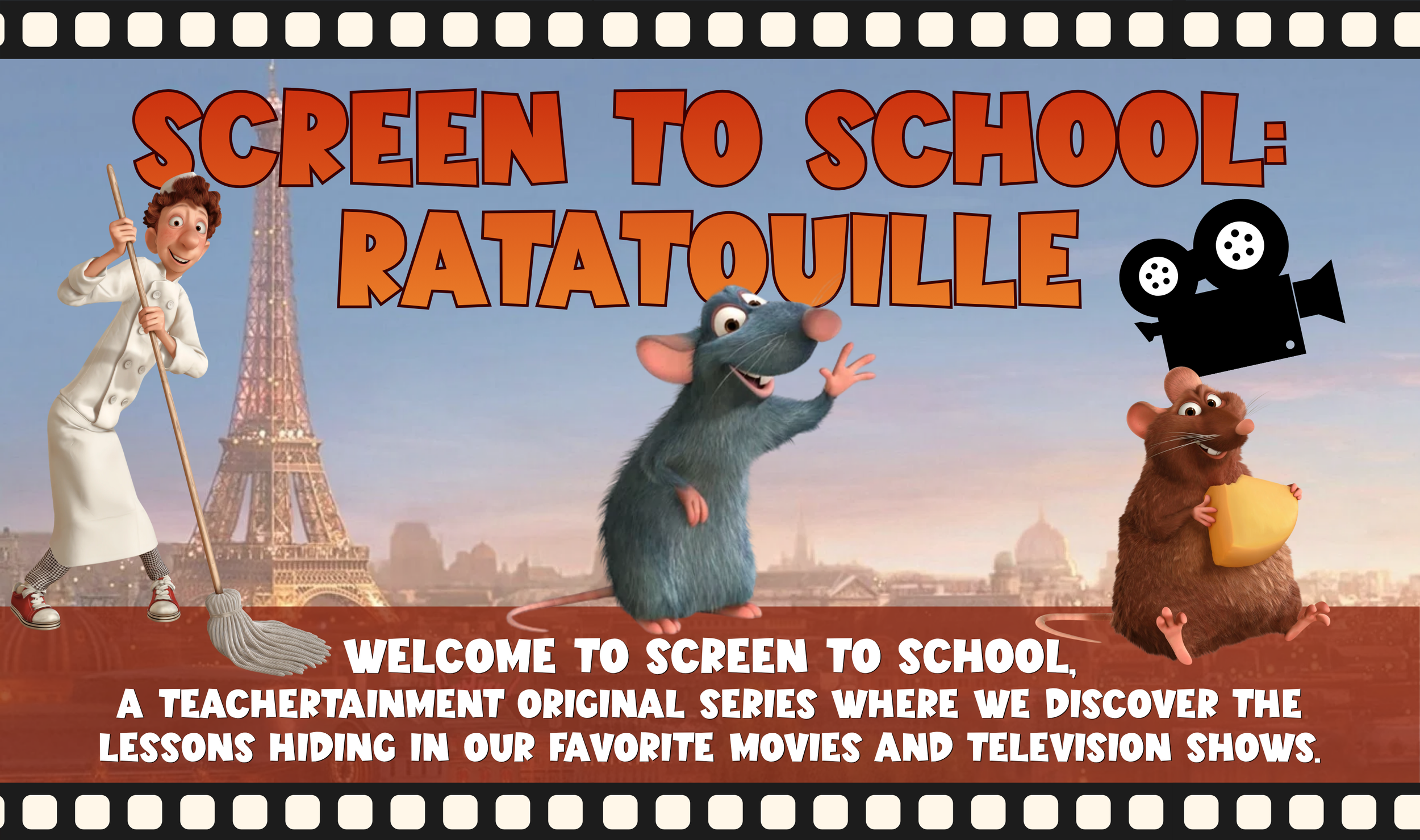
Some movies serve up their educational connections on a silver platter. Others require a little digging. And sometimes, the most unlikely classroom inspiration is hiding under a chef’s hat.
This time, we’re heading to Paris with Pixar’s Ratatouille, where a rat dreams of becoming a chef and a young kitchen worker discovers that following a recipe is only half the battle. Along the way, we’ll explore French geography, food science, fractions, persuasive writing, and what it really takes to succeed.
So wash your hands, sharpen your pencils, and prepare your appetite for learning. Class is officially in the kitchen!
RATATOUILLE
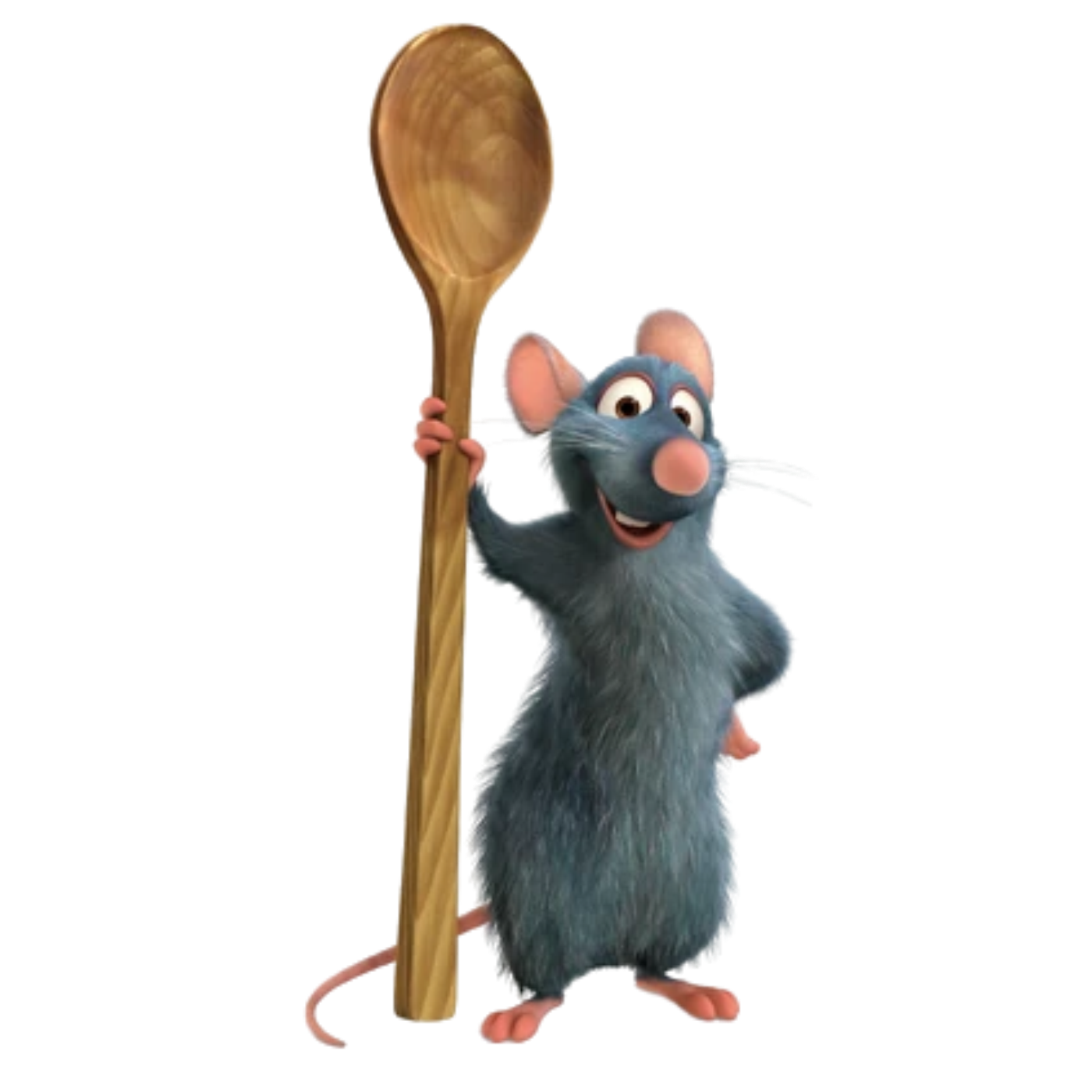
A five-star feast of fractions, food science, French culture, and finding your passion.
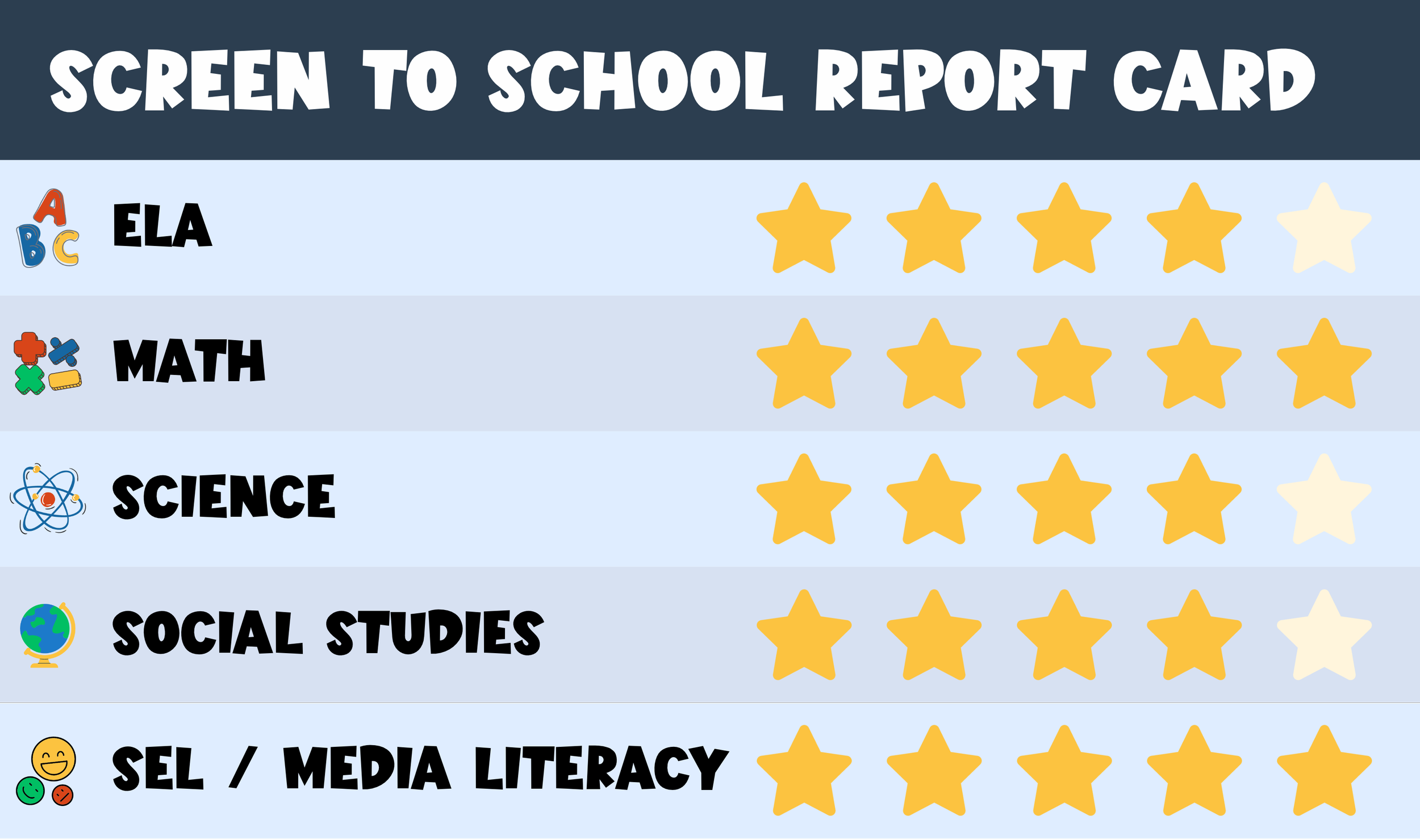
2007 | Suggested grades 2–5 | Math, science, social studies, ELA, SEL
Behind the Screen: Pixar’s Recipe for Success
Under most circumstances, discovering a rodent preparing your dinner would be grounds for calling the health department. But when that rodent is Remy, Pixar’s aspiring chef, we find ourselves rooting for him to earn a Michelin star ⭐. Remy has an extraordinary sense of smell and a dream of becoming a chef in Paris. He teams up with Linguini, a well-meaning kitchen worker whose culinary skills leave something to be desired. Together, they make a surprisingly effective pair, provided nobody looks beneath the chef’s hat.
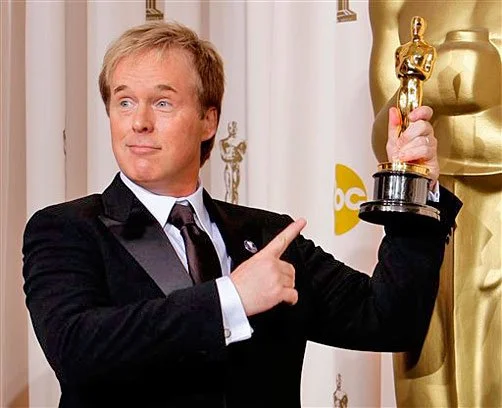
Released in 2007, Ratatouille was directed by Brad Bird and won the Academy Award for Best Animated Feature. Chef Thomas Keller served as a culinary consultant, helping bring authenticity to the film’s restaurant world. And ratatouille is a real vegetable dish associated with Provence in southeastern France, even though the film takes place in Paris. That gives us a whole menu of classroom connections.
The School Connection: A Taste of France

Subject: Social Studies & Geography | Grades 3–5
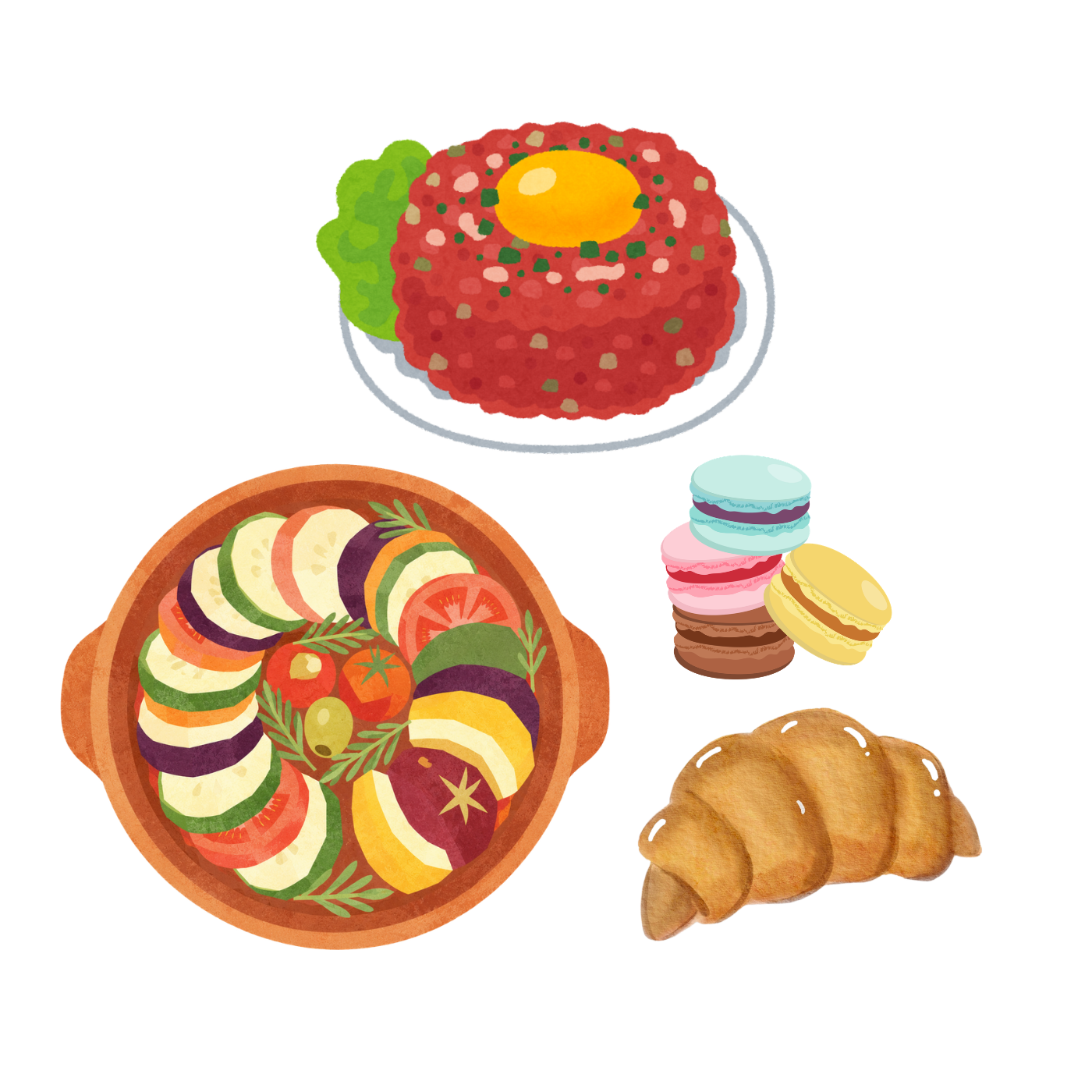
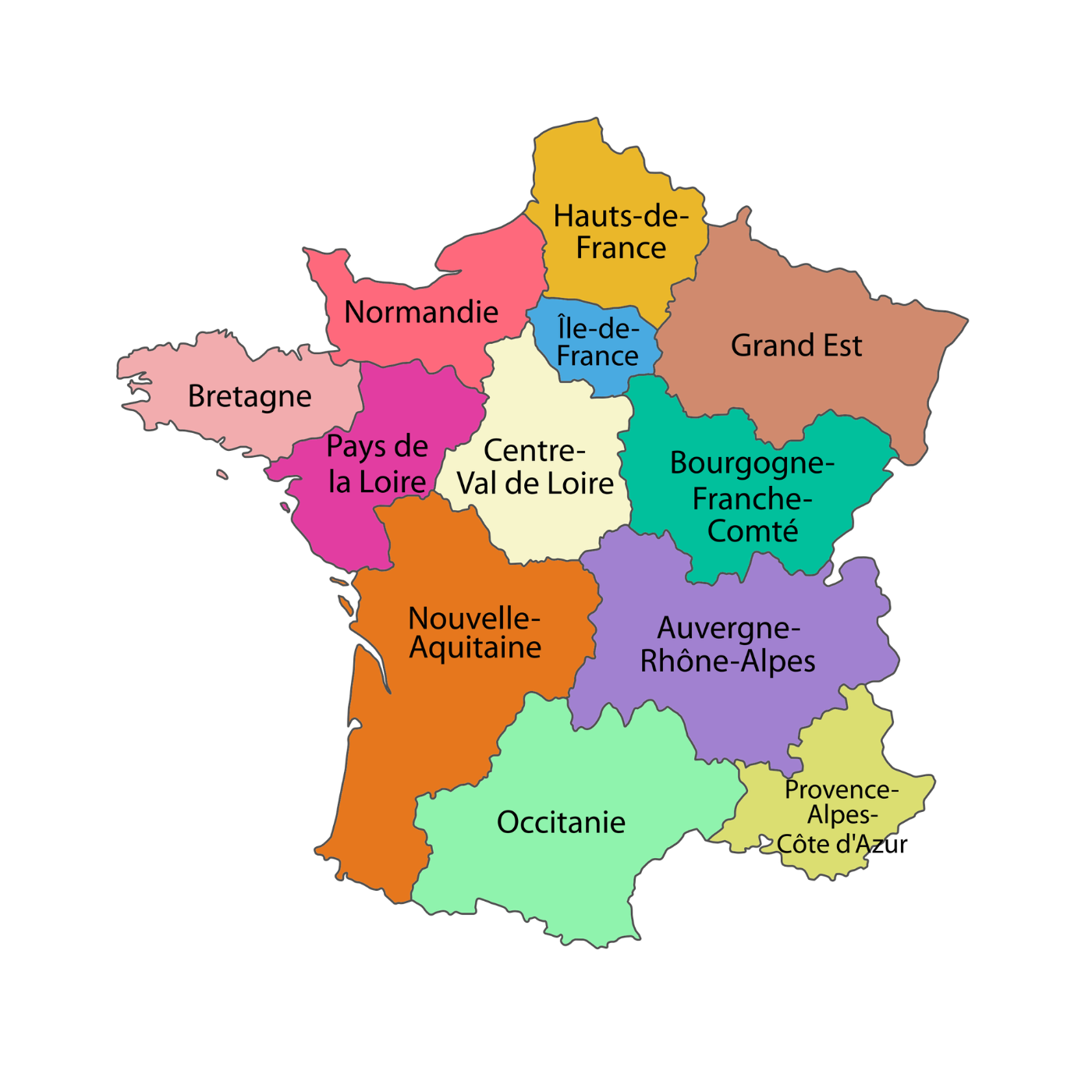
Paris may get the glamorous skyline shots, but French food traditions extend far beyond the capital. Provence, in southeastern France, has its own regional cuisine shaped by its geography, climate, and local ingredients. The film offers a chance to ask why food can tell us so much about where people live. After all, a map can explain more than where Remy should catch his next train.
TRY IT IN CLASS: Remy’s French Food Tour.
Students locate Paris, Provence, and the Mediterranean Sea on a map. Research regional foods, investigate how climate and geography influence ingredients, and compare the findings with regional dishes in the United States.
THE BIG QUESTION:
Why do different regions of the same country develop different food traditions?
The School Connection: The Science of Flavor
Subject: Science | Grades 2–5
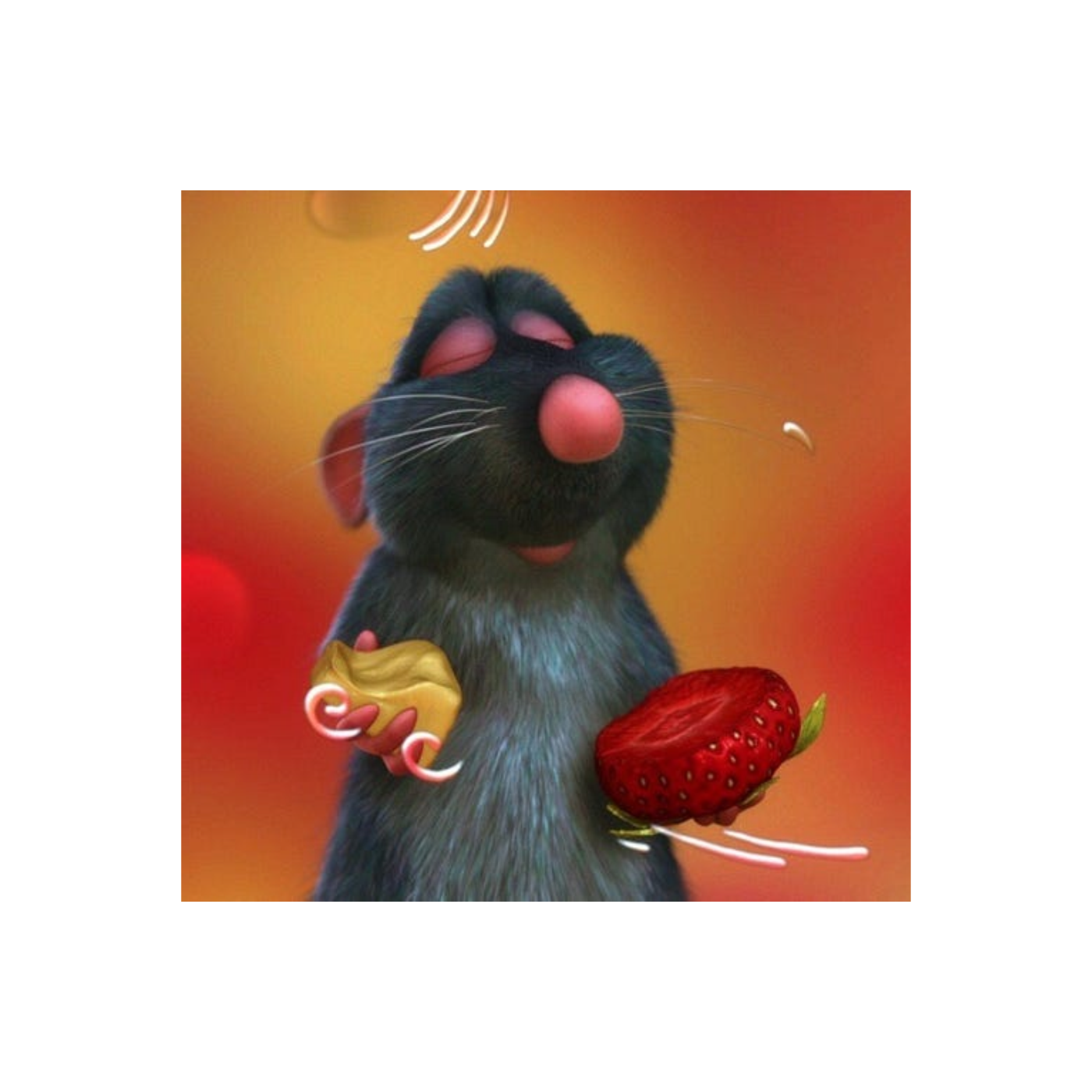
Remy experiences food as a spectacular combination of tastes and aromas. The real science is almost as interesting. Our tongues detect five basic tastes: sweet, sour, salty, bitter, and umami. Smell, temperature, and texture also help shape what we call flavor. Contrary to the familiar classroom “tongue map,” different tastes are not restricted to separate zones of the tongue. So when two people disagree about a dish, they may be responding to more than the same bite.

TRY IT IN CLASS: The Flavor Detective Lab.
Using allergy-safe samples, or no-food alternatives such as descriptive cards and sealed scent containers, students record observations about texture and aroma, distinguish observations from preferences, and compare their findings.

• THE BIG QUESTION:
Why might two people experience the same food differently?
The School Connection: Fractions on the Menu
Subject: Math | Grades 3–5
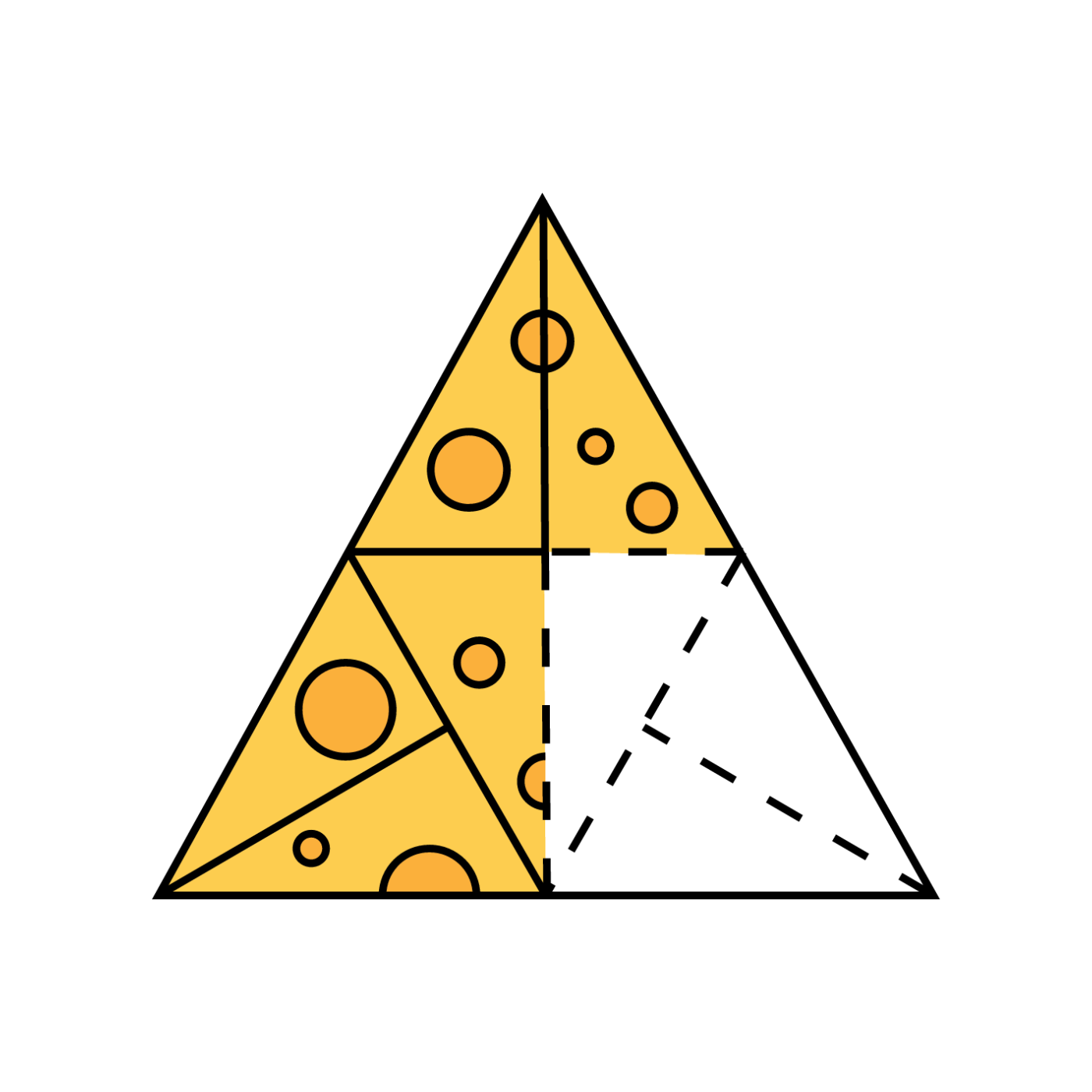
A restaurant kitchen runs on measurements, portions, and timing. Double a recipe without doubling its ingredients, and dinner might become an accidental science experiment. Remy’s world makes a practical case for fractions and proportional reasoning, especially when students can see how a small numerical change affects an entire batch

• TRY IT IN CLASS: Double the Dinner.
Give students a fictional soup recipe containing 2 cups of broth, 3/4 cup of tomatoes, 1/2 cup of carrots, and 1/4 teaspoon of herbs. Calculate the amounts needed for half a batch, two batches, and four batches.

• TRY IT IN CLASS: The Restaurant Budget Challenge.
Provide fictional ingredient costs and menu prices. Students calculate total costs and revenue, then discuss why restaurants also have expenses such as rent and wages.
• THE BIG QUESTION:
Why is proportional reasoning important in cooking?
The School Connection: What Makes a Great Critic?
Subject: English Language Arts | Grades 3–5
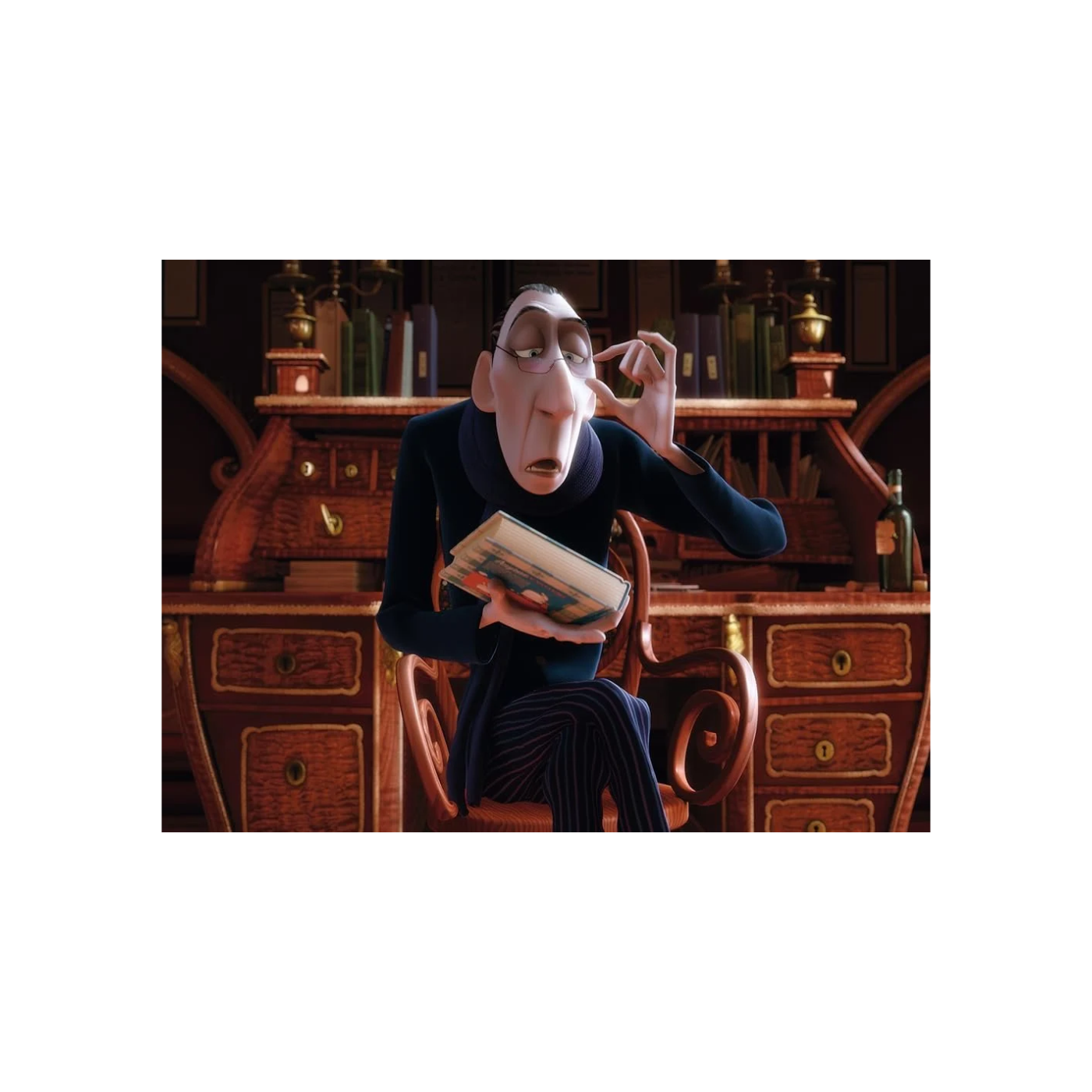
Anton Ego has strong opinions and very little interest in sugarcoating them. His role offers an engaging entry point into opinion writing and media literacy. A convincing review does more than announce that something is wonderful or terrible. It explains a judgment with evidence. And even a tough critic can learn that a first impression is not the whole story.

• TRY IT IN CLASS: Everyone’s a Critic.
Students review a book, school lunch, or age-appropriate film. They state a clear opinion, support it with three specific details, and revise vague or harsh comments into constructive observations.

• THE BIG QUESTION:
How can someone express a negative opinion without being unkind?
The School Connection: The Recipe for Success
Subject: Social-Emotional Learning & Character Analysis | Grades 2–5
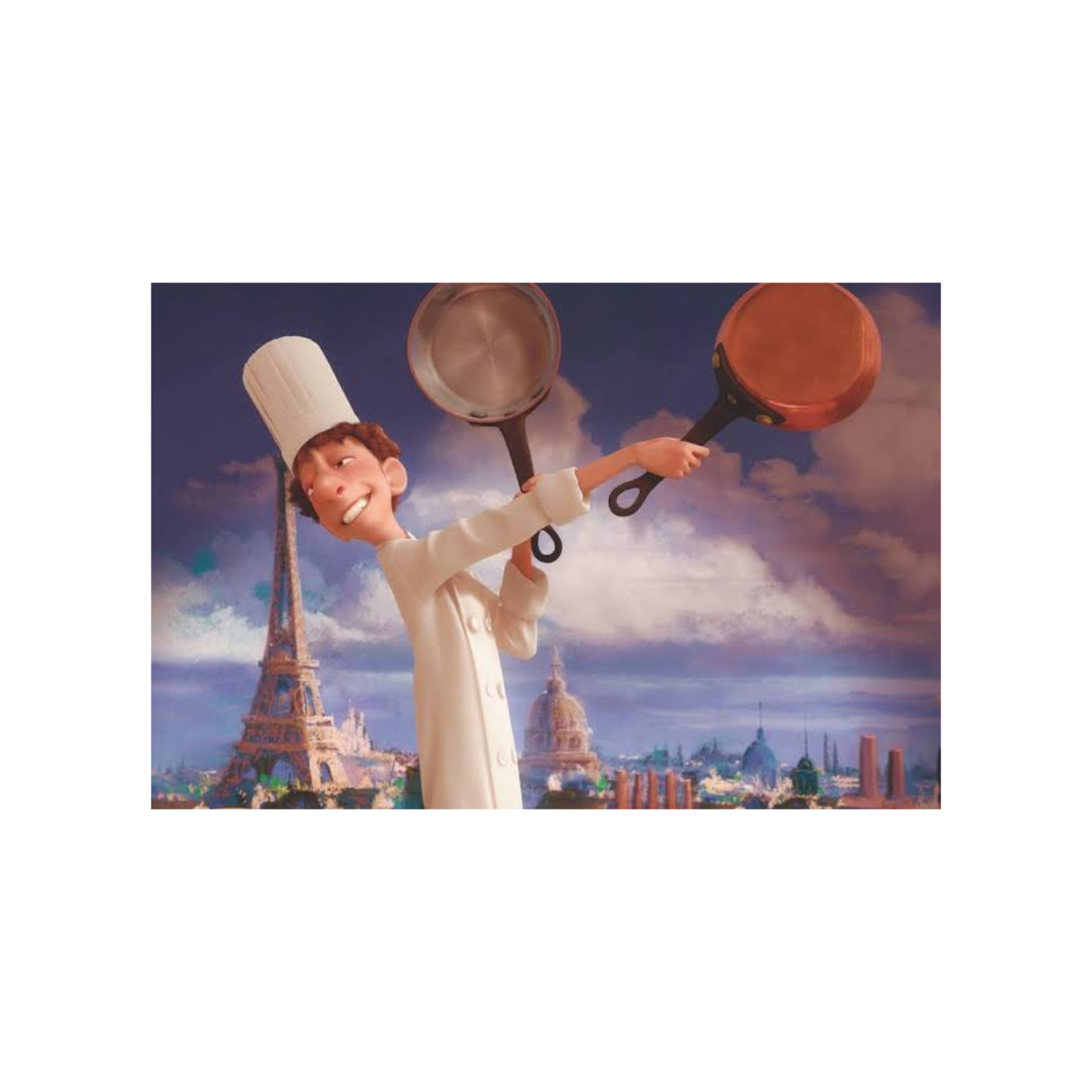
Remy has remarkable talent, but his circumstances make it difficult for others to take him seriously. Linguini has access to a professional kitchen, yet he needs practice, guidance, and collaboration. Their partnership invites students to examine the difference between ability and opportunity. The movie’s famous idea that anyone can cook becomes an even bigger question: what helps someone turn an interest into a skill?
• TRY IT IN CLASS: Create a Recipe for Success.
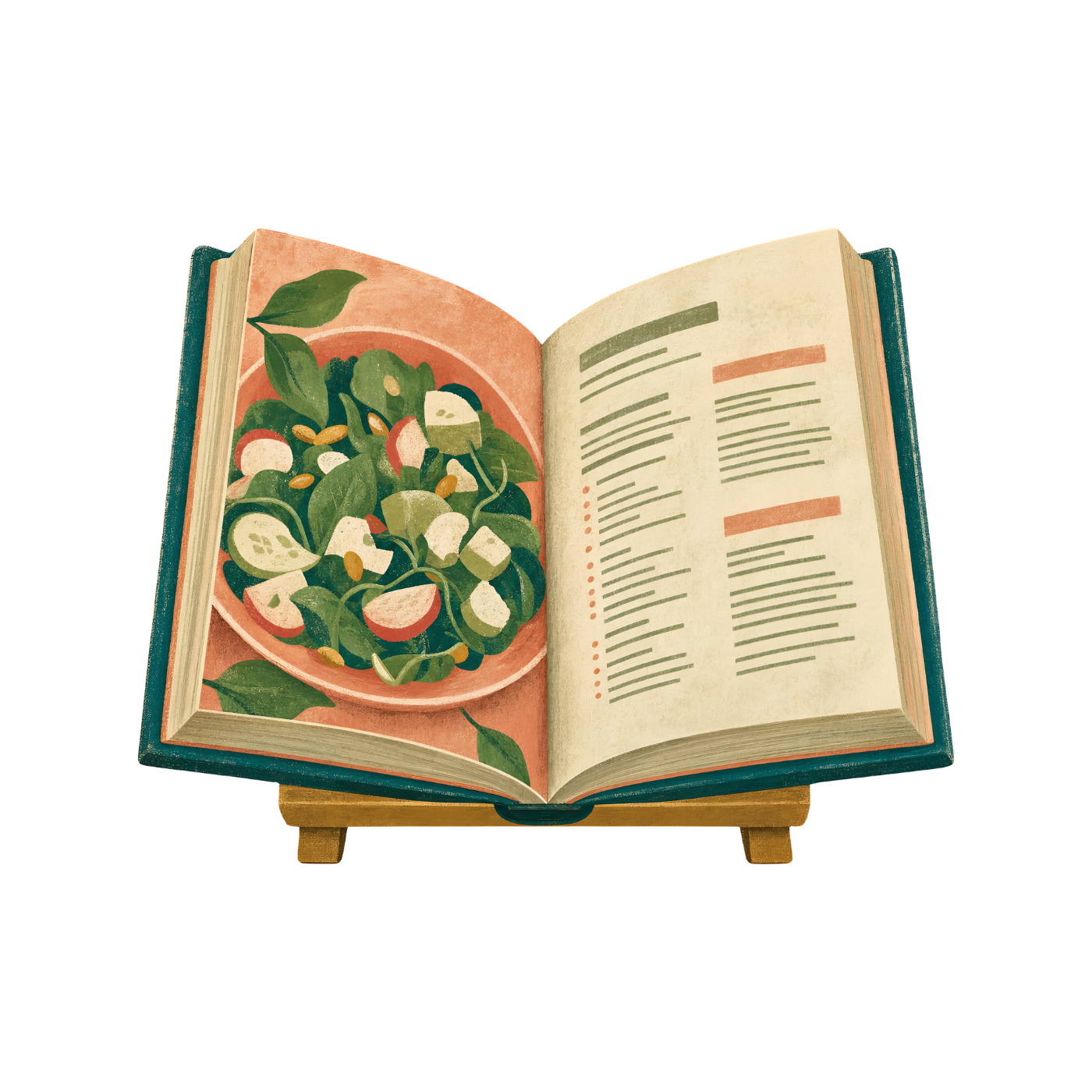
Students invent a recipe using ingredients such as practice, patience, feedback, teamwork, and courage. They assign quantities to each ingredient and explain why they chose them.

• THE BIG QUESTION:
Is success about talent, opportunity, practice, or a combination?
Beyond the Credits
Open Your Own Restaurant. Students propose a restaurant, choose a geographic setting, research its regional cuisine, design a menu, calculate prices, and write a persuasive advertisement. Encourage them to explain how their location influences the food they serve. It’s a cross-curricular project with geography, math, science, and writing all on the menu. No actual rats in the kitchen, please.
That's a Wrap!
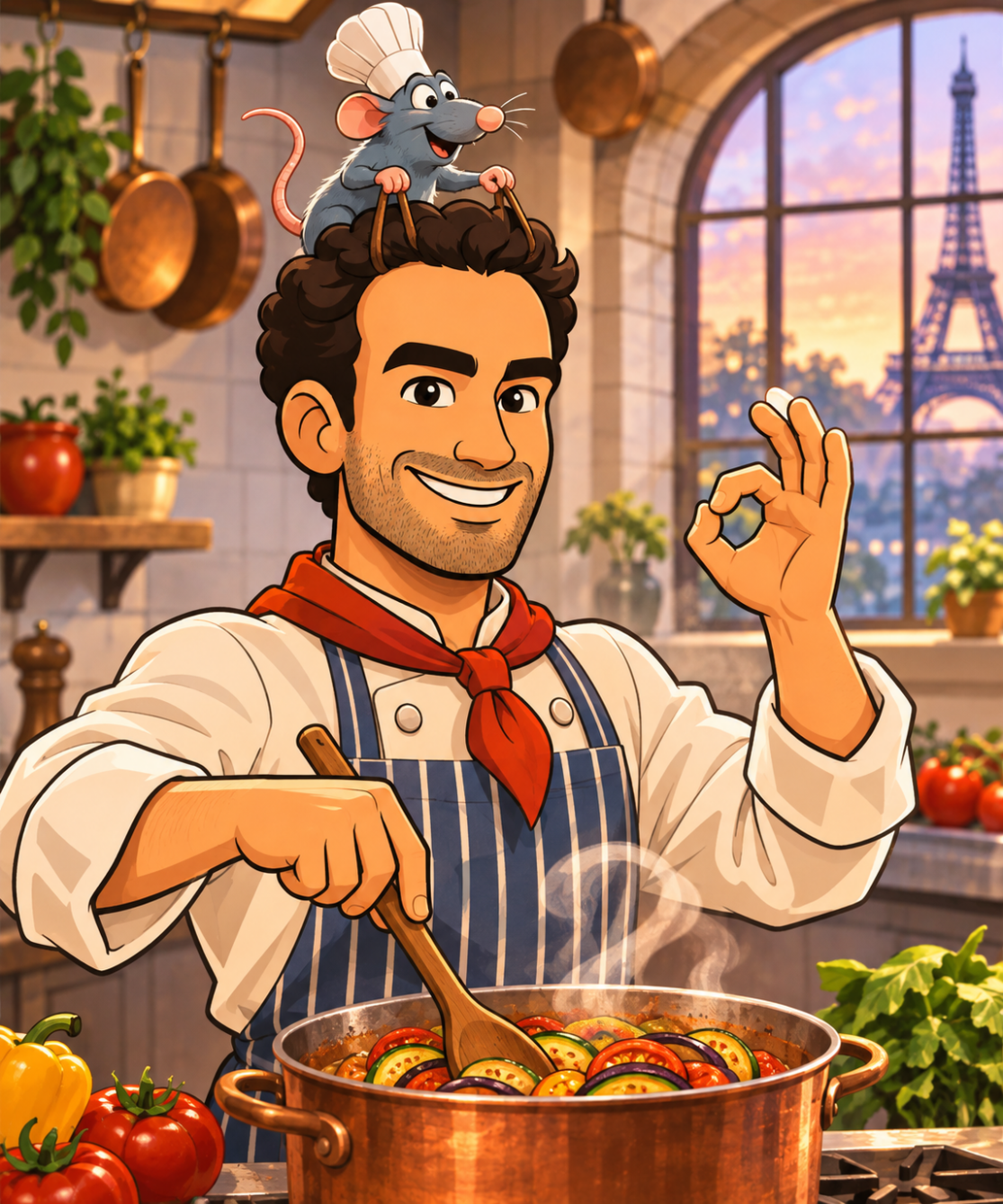
Who knew a movie about a rat in a Parisian kitchen could offer so much food for thought? A regional dish becomes a geography lesson. A memorable bite becomes a science investigation. A soup recipe becomes a fractions challenge. And a famously intimidating critic becomes a writing teacher, although perhaps not one you’d want grading your first draft.
That’s the idea behind Screen to School. The stories students already love can lead to questions they might never think to ask from a textbook alone. The next time someone wonders why fractions matter, Remy has a pretty delicious answer.
The credits may roll, but the learning doesn’t have to stop. That’s how we take entertainment from Screen to School.
Jake Perlman is the founder of Teachertainment, blending education, entertainment, and pop culture to turn learning into an unforgettable experience.
