
The Winter Olympics Are Coming — And Your Classroom Is Invited
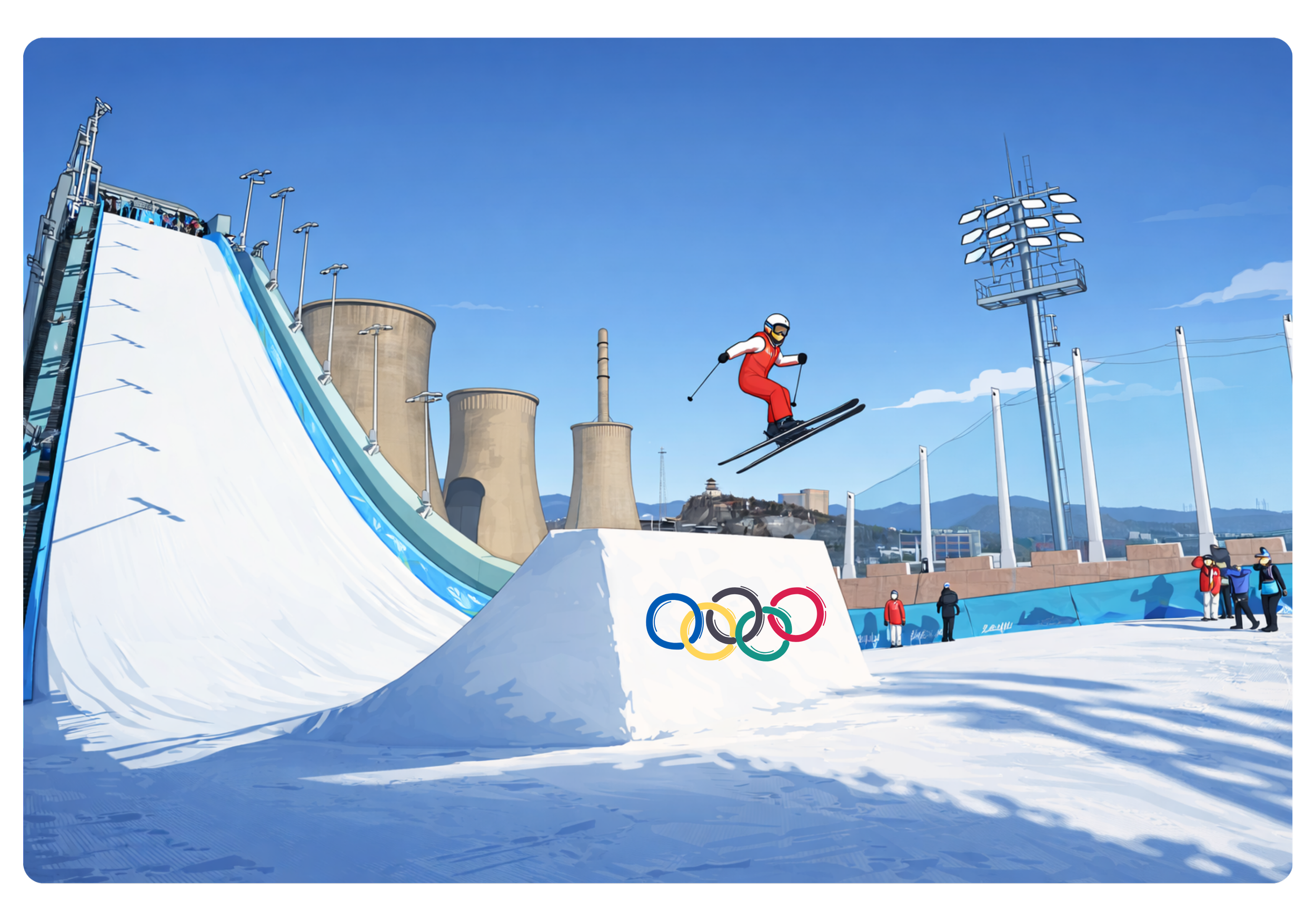
Every two years, something magical happens. Classrooms suddenly fill with geography debates, math data charts, emotional comeback stories, and students who suddenly care deeply about sports they discovered 14 minutes ago.
Welcome to the Olympics — aka one of the greatest built-in engagement engines teachers get for free. And this year? The 2026 Winter Games are making history before the first medal is even awarded.
The Big Dates
(Mark Your Teacher Planner Now)
Opening Ceremony: Friday, February 6
Closing Ceremony / Final Day: Sunday, February 22
That’s over two straight weeks of real-world, high-interest learning opportunities.
A Historic First for the Olympics
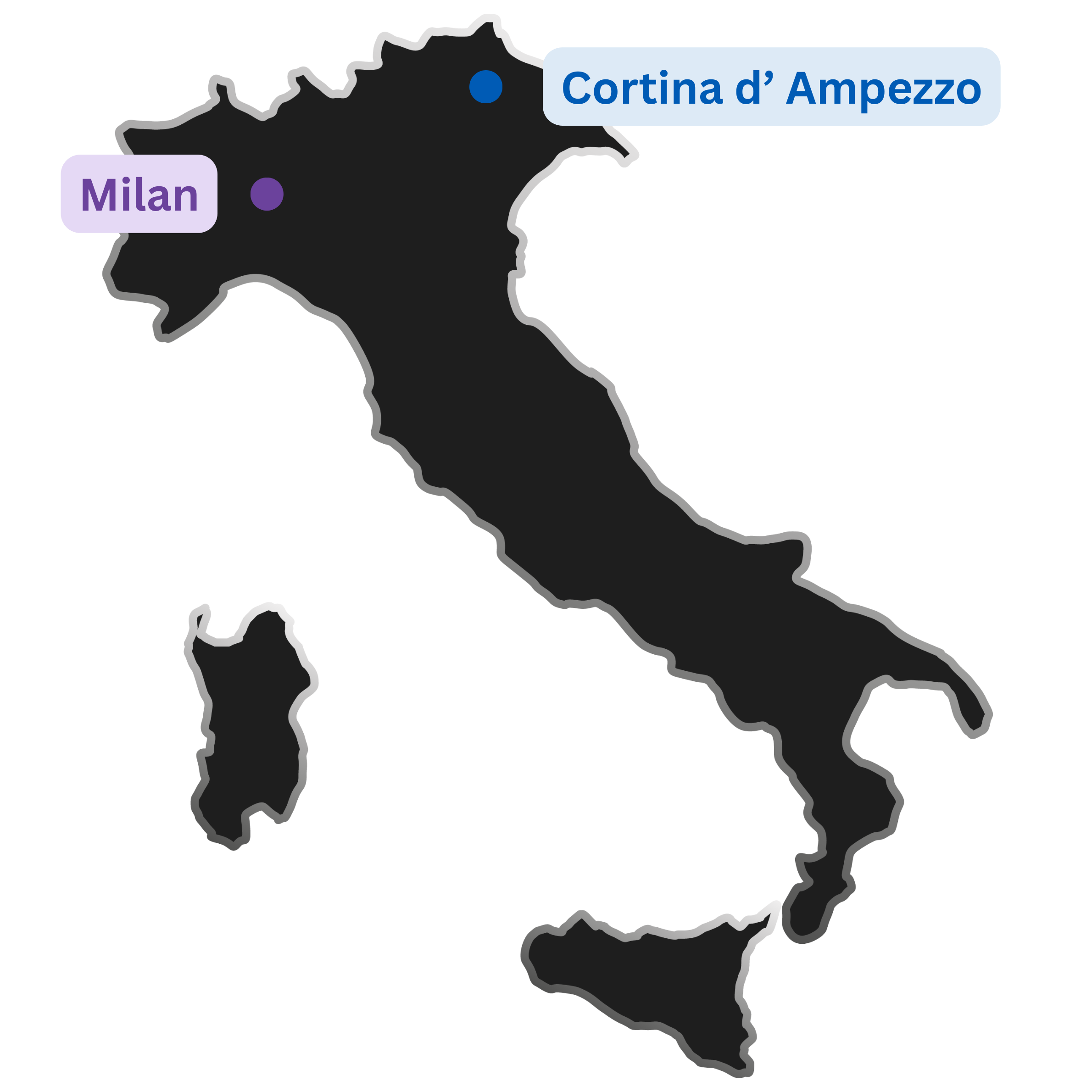
This will be the first Olympic Games ever — Winter or Summer — hosted by two cities.
Events will take place across:
Milan
Cortina d’Ampezzo
Fun history moment:
Cortina d’Ampezzo previously hosted the 1956 Winter Olympics, giving this year’s Games a beautiful full-circle storyline teachers can use for timeline lessons.
The Scale of the Games
(Math Teachers, This Is Your Super Bowl)
The Winter Olympics include:
8 Sports
16 Disciplines
116 Medal Events
Plus:
~2,800 athletes from 90+ National Olympic Committees
If you’re not already building:
graphing lessons
fractions with medal counts
country comparison charts
probability predictions
…you are sitting on a gold mine.
HUGE Sports News: NHL Players Are Back
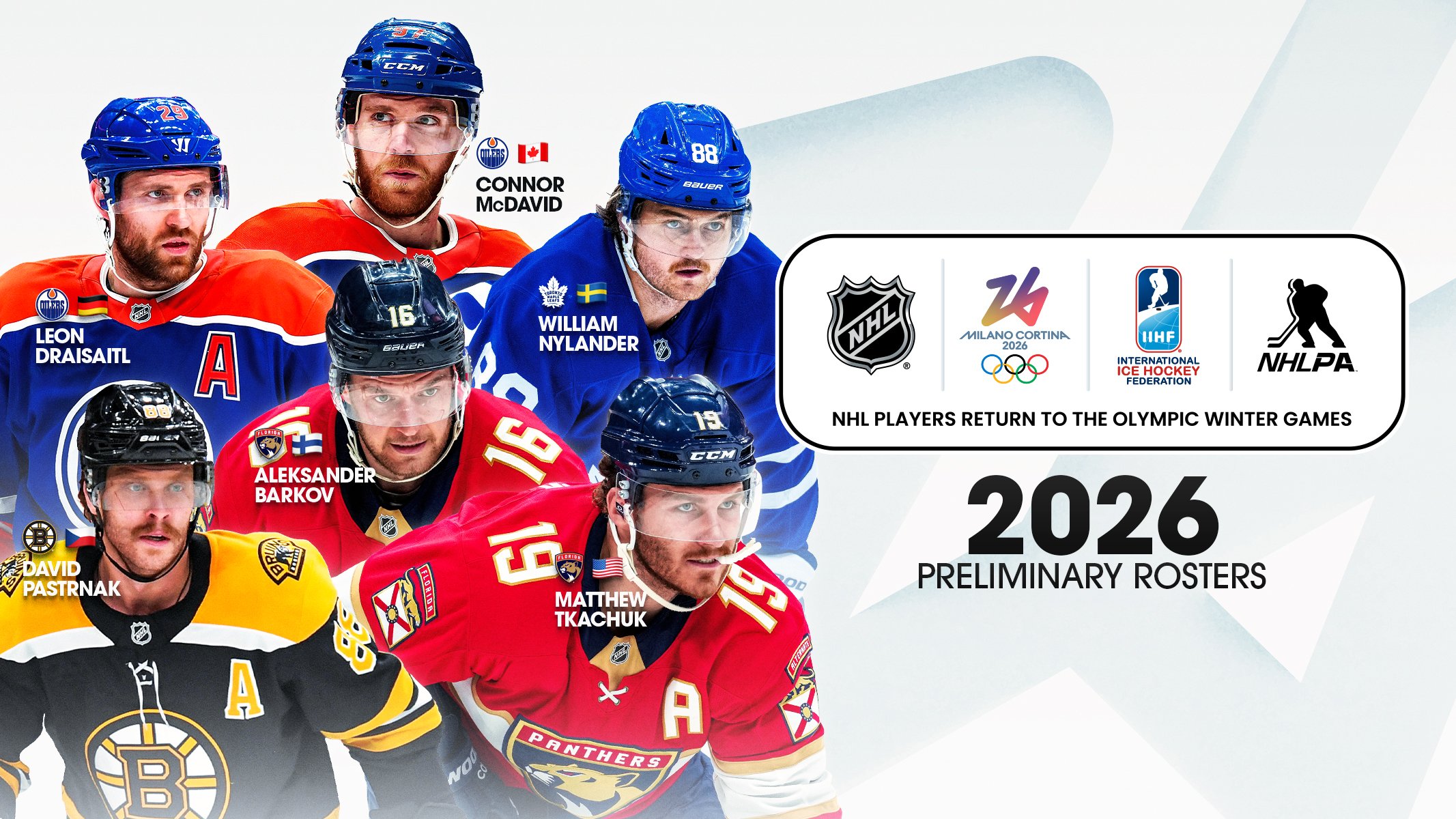
For the first time since 2014, NHL players are returning to Olympic competition.
Classroom tie-ins:
Career pathways in sports
Comparing professional vs international play
National pride & global competition discussions
Opening Ceremony = Basically a Global Theatre Production
The Opening Ceremony took place across multiple locations, with the main action centered at San Siro Stadium in Milan. And the scale was wild:
Performers included Mariah Carey and Andrea Bocelli
1,400 costumes
1,500 pairs of shoes
110 makeup artists
70 hair stylists
500+ musicians
1,300 cast members from 27 countries
700+ hours of rehearsal
Classroom tie-ins:
Production math
Arts careers
Global collaboration
Project management skills
Classroom Pop Culture Connection: Cool Runnings
If you want a perfect classroom bridge between history, sports, and storytelling, this is your moment. Cool Runnings is based on the incredible true story from the 1988 Calgary Games of four Jamaican bobsleighers who dreamed of competing in the Winter Olympics, despite never having seen snow. With the help of a disgraced former champion desperate to redeem himself, the Jamaicans set out to become worthy of Olympic selection, and go all out for glory.
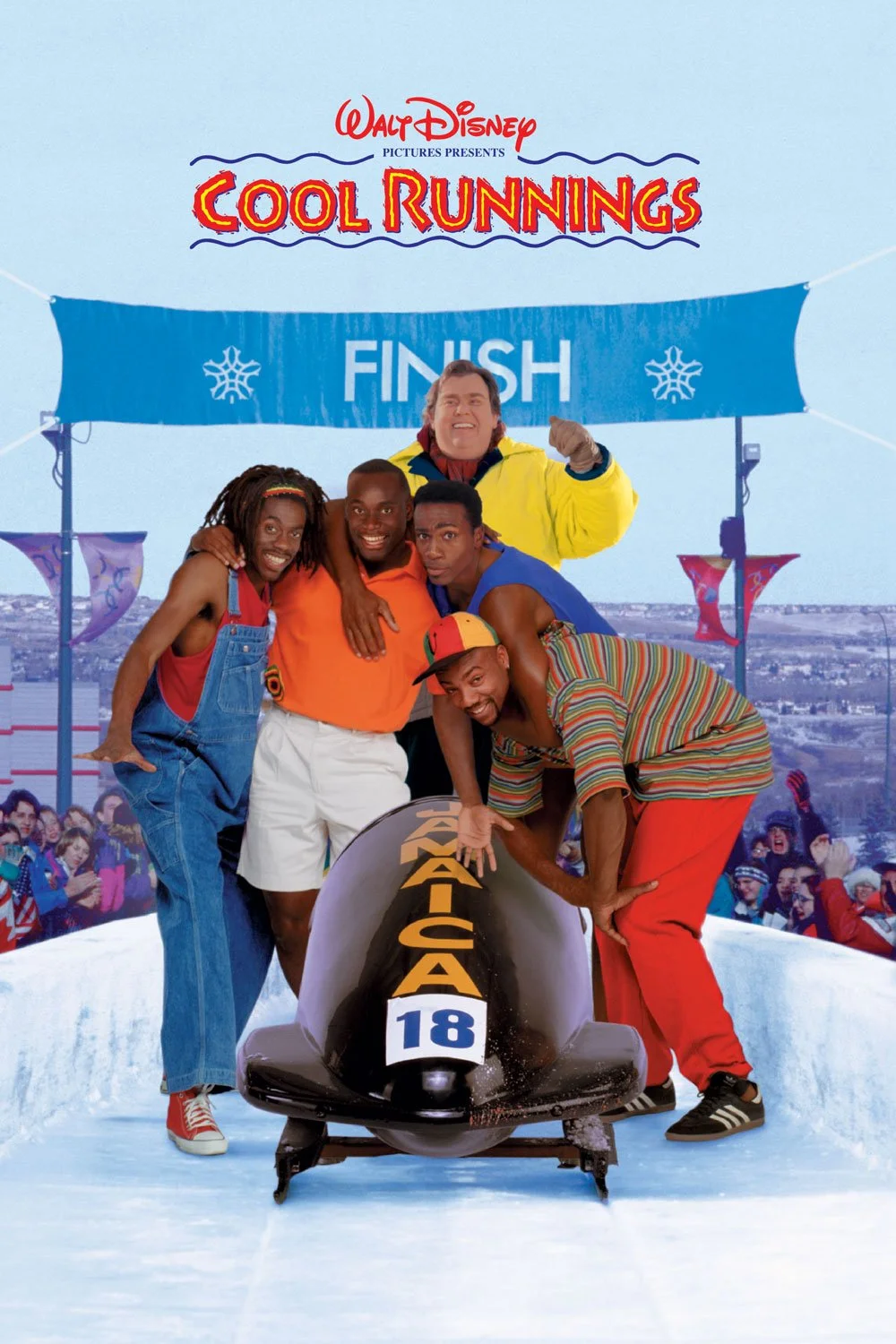
Streaming on Disney+
Why Use Cool Runnings in Class?
You can teach:
Perseverance
Underdog storytelling
Teamwork
Real vs Hollywood storytelling
Real World Connection
The film was inspired by the real Jamaican bobsled team, and Jamaica is expected to compete again in 2026.
That creates powerful classroom conversations about:
Representation in sports
Access to training resources
Climate and geography vs determination
Global Olympic spirit
Possible Activities:
Compare movie vs real history
Track real Jamaican team performance
Write “If I Started an Olympic Team” essays
Why The Olympics Are Secretly a Perfect Teaching Unit
You get:
Informational text
Biography reading
Data analysis
Geography
SEL & perseverance stories
Writing prompts
Media literacy
All without forcing engagement. The engagement walks in the door.
Teachertainment Pro Tip
Don’t teach “Olympics Week.”
Teach:
Athlete of the Day (Refer to our Winter Olympics | Biography Packet)
Medal Math Mondays
Ceremony Media Analysis
Geography Spotlight
Stretch it across the full Games window.
Final Thought

The Olympics remind students that:
Talent looks different everywhere.
Success is rarely a straight line.
And the world is a lot bigger — and cooler — than their algorithm thinks.
And honestly?
That might be the most important lesson of all.
Jake Perlman is the founder of Teachertainment, blending education, entertainment, and pop culture to turn learning into an unforgettable experience.
