
Online vs. in-person tutoring in West Hollywood, which is better for my child?

Choosing the wrong tutoring format can cost a child an entire academic year. That's not an exaggeration. Research from the National Tutoring Association suggests that students placed in mismatched learning environments show 40% less improvement than those whose format aligns with their needs. And yet, most parents in West Hollywood pick a tutoring format based on convenience rather than strategy.
That's the real problem here. The question of online vs. in-person tutoring in West Hollywood - which is better for a child? - doesn't have a universal answer. It has a personal one. And getting it wrong means paying for sessions that don't move the needle.
By the end of this article, parents will have a clear framework for evaluating both formats, understand how West Hollywood's unique geography and culture shape the decision, and know exactly what questions to ask before committing. They'll also see why Teachertainment has become the go-to resource for West Hollywood families who don't want to guess.
Key Differences Explained
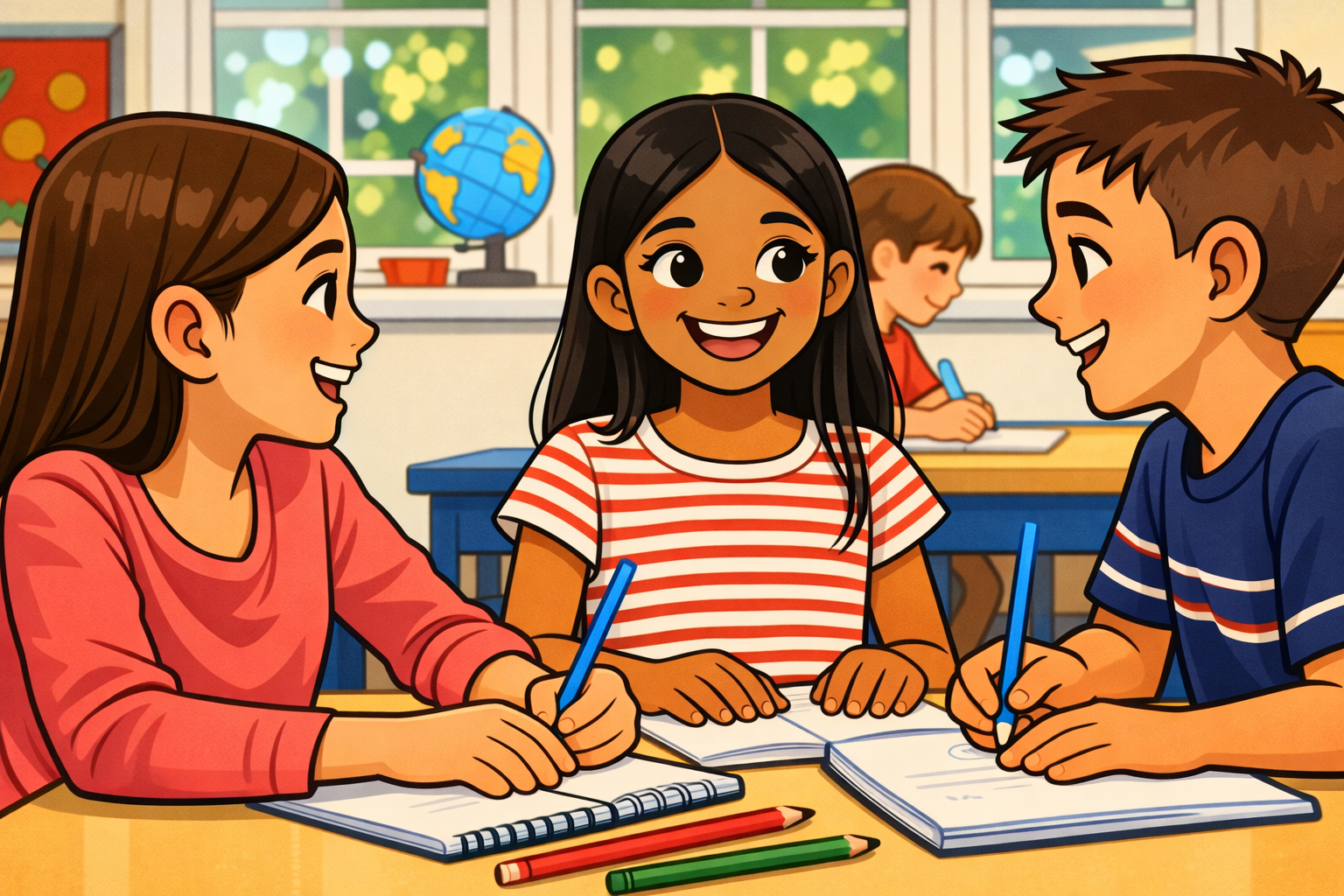
At the surface level, online and in-person tutoring seem straightforward. One happens on a screen. The other happens in a room. But the differences run much deeper than logistics.
The Case for Physical Presence
In-person tutoring offers physical presence, which matters more than most people realize. A tutor can physically point to a problem on a page, observe a student's body language, and respond to subtle signs of frustration or confusion in real time. For younger students especially, that tactile, present-in-the-room dynamic creates accountability that's hard to replicate through a webcam.
The Case for Digital Access
Online tutoring, on the other hand, offers something different: access. Students aren't limited to tutors within a five-mile radius. They can connect with specialists in advanced calculus, AP Chemistry, or SAT prep who might be based anywhere. And with modern platforms offering shared whiteboards, screen annotation, and video playback, the technological gap has narrowed significantly.
Here's what this means: the format isn't inherently better or worse. It's a tool. And like any tool, its value depends entirely on how it's used and who's using it. That's exactly the philosophy Teachertainment operates from - match the tool to the student, not the other way around.
In-person tutoring builds stronger rapport for students who struggle with self-motivation
Online tutoring expands subject-matter access beyond local availability
Both formats can be equally effective when paired with the right tutor
The student's age and learning style should always drive the format decision
West Hollywood's Learning Landscape
Armed with that knowledge, it's worth looking at what makes West Hollywood a specific context, not just a generic suburban backdrop
Geography and Traffic Are Real Factors
West Hollywood is dense, traffic-heavy, and geographically sandwiched between Beverly Hills and Hollywood. Getting from one end of the city to a tutoring center can take 25 minutes during rush hour for a journey that looks like two miles on a map. That's not a minor inconvenience. For families juggling school pickups, after-school activities, and work schedules, that commute adds up to hours lost every week.
High Academic Expectations Raise the Bar
But here's the kicker: West Hollywood also has a strong culture of high academic expectations. Many students here are prepping for competitive college admissions, advanced coursework, or specialized arts programs. That raises the bar for what "good tutoring" actually means - and it's why a generalist tutor pulled from a random directory often won't cut it.
Dedicated physical spaces can shift a student's mindset entirely. For kids who treat their bedroom as a relaxation zone, that separation matters, and in-person options in the area do deliver that structured environment.
Online tutoring removes the commute barrier entirely, which in a city like West Hollywood is no small thing. A session can start at 4:00 PM sharp without anyone sitting in traffic on Santa Monica Boulevard.
Teachertainment serves West Hollywood families specifically, which means its educators understand these local pressures - the traffic, the academic culture, the competitive admissions landscape. That local expertise isn't something a generic tutoring platform can replicate.
Local traffic patterns make commute time a legitimate factor in format selection
West Hollywood's academic culture demands high-quality, specialized instruction
Home environment quality affects whether online tutoring works well
Proximity to tutoring centers varies widely depending on neighborhood
What Your Child Actually Needs
The next piece of the puzzle is the most personal part of this decision: the child's actual learning profile.
Self-Directed Learners vs. Structure-Dependent Learners
Some students thrive with independence. They're self-directed, comfortable on screens, and capable of maintaining focus without someone physically in the room. For these students, online tutoring often works beautifully. They can work at their own pace, replay explanations, and feel less social pressure during sessions.
And then there are students who need more structure. They get distracted by notifications, feel disconnected from a tutor on a screen, or simply learn better when there's a human presence in the room. No judgment there - it's just neurology. Studies have shown that students with ADHD or anxiety often perform significantly better in structured, in-person environments where external stimuli are controlled.
What the Research Actually Shows
A 2022 report from Stanford's Center for Education Policy found that students with identified learning differences showed 28% greater gains with in-person instruction compared to remote formats. That's a meaningful difference, and it's not something to brush past.
And that's not all. The subject itself matters. Math and science tutoring, where problems are worked step-by-step on paper, often translates well to both formats. But subjects requiring discussion, debate, or nuanced feedback - like essay writing or verbal SAT prep - can feel more natural and responsive in person.
Students with strong self-regulation often excel in online formats
Learners with ADHD or anxiety frequently benefit from in-person structure
Subject type influences which format produces better results
A trial session in both formats can reveal preferences quickly
Teachertainment's intake process is built around identifying exactly these variables. Before a student ever sits down with a tutor, the team works to understand the child's learning style, subject needs, and environment - so the format recommendation isn't a guess.
Cost and Scheduling Tradeoffs
Taking this a step further, practical factors like cost and scheduling flexibility deserve honest attention. Because even the "best" format is worthless if it's unsustainable.
Online Tutoring's Financial Edge
Online tutoring tends to run 10 to 20 percent less expensive than comparable in-person sessions. Part of that is overhead: tutors working remotely don't need to factor in travel time or physical space costs. That savings gets passed on, at least partially, to families. Over a semester of twice-weekly sessions, that difference can add up to several hundred dollars.
Scheduling Flexibility That Actually Holds Up
Scheduling flexibility is another area where online tutoring has a clear edge. Sessions can be booked earlier in the morning, later in the evening, or during lunch breaks without anyone needing to physically travel. For high school students with packed extracurricular schedules, that flexibility is genuinely valuable.
The Accountability Premium of In-Person Sessions
And in-person tutoring does carry a premium - but it's not without justification. The accountability factor is real. Cancellation rates for in-person sessions are lower. Students show up mentally prepared in a way that doesn't always happen when they're sitting in front of a laptop in their pajamas.
Consistency Is the Real Differentiator
Consistency matters more than format. Whichever option a family chooses, the biggest predictor of results isn't the medium - it's the frequency and regularity of sessions. A student who attends online sessions twice a week, every week, will outperform one who attends sporadic in-person sessions every time.
Online tutoring typically costs less per session than in-person alternatives
Flexible scheduling makes online formats easier to sustain long-term
In-person sessions tend to have lower cancellation and no-show rates
Consistency of attendance matters more than format for long-term results
Making the Right Choice
Which leads to an important question: how does a parent actually make this call without second-guessing themselves for months?
Start With a Hypothesis, Not a Commitment
The answer is to stop treating it as a permanent decision. Start with a clear-eyed assessment of the child's learning style, the subject's demands, and the family's schedule. Run a trial period of four to six sessions in the preferred format. Then evaluate honestly: Is the student engaged? Is progress visible? Are sessions happening consistently?
Format Fit vs. Tutor Quality
Online vs. in-person tutoring in West Hollywood - which is better for a child? - ultimately comes down to fit, not format. A highly qualified tutor in either setting will outperform a mediocre one. The medium supports the instruction; it doesn't replace it.
And what experts consistently find is that the families who see the best results are those who stay flexible. They start with one format, monitor progress, and adjust without ego. That willingness to iterate is what separates students who catch up from those who stay stuck.
Why Teachertainment Gets This Right
Teachertainment doesn't operate on a one-size-fits-all model. The team pairs West Hollywood students with educators based on learning profile, subject needs, and format preference - then stays involved to ensure the match is actually working. That ongoing support is what makes the difference between a tutor who's technically qualified and one who actually moves the needle.
And for families who've already tried a tutor that didn't click, Teachertainment's approach offers something most services don't: a genuine diagnostic process before the first session, not after three months of stalled progress.
Treat the first format choice as a hypothesis, not a commitment
Evaluate progress after four to six sessions with specific metrics
Prioritize tutor quality over format in every decision
Stay willing to switch formats if the evidence supports it
The bottom line is straightforward: the right format is the one that keeps a child engaged, consistent, and progressing. Everything else is secondary. And the right partner is one who helps identify that format from day one - which is exactly what Teachertainment does.
Choosing the Right Path: Tutoring Formats & Subjects at Teachertainment
How does Teachertainment determine which tutoring format is right for a child?
Teachertainment uses a structured intake process that evaluates a student's learning style, attention patterns, subject needs, and home environment before recommending a format. The goal is to match the student to the right setup before the first session - not after weeks of trial and error.
Does Teachertainment offer both online and in-person tutoring in West Hollywood?
Yes. Teachertainment works with West Hollywood students in both formats, and its educators are experienced in delivering high-quality instruction through either medium. Families aren't pushed toward one option - the recommendation is always based on what fits the student.
What subjects does Teachertainment cover?
Teachertainment covers a wide range of subjects including math, science, English, SAT/ACT prep, AP coursework, essay writing, and more. For specialized or advanced subjects, the team's access to a broader network of educators means students don't have to settle for whoever happens to be local.
What if a student tries one format and it isn't working?
Teachertainment treats the initial format choice as a starting point, not a locked-in contract. If a student isn't progressing or isn't engaged, the team reassesses and adjusts - whether that means switching formats, changing tutors, or modifying the session structure.
How quickly can a family get started with Teachertainment?
Families can typically be matched with a tutor within a short timeframe after the initial consultation. The intake process is designed to be thorough but efficient, so students aren't waiting weeks to get the support they need.
Ready to Find the Right Fit for Your Child?

Stop Guessing. Start Progressing
The format debate - online vs. in-person - only matters when the tutor behind it is the right one. Teachertainment specializes in pairing West Hollywood students with educators who actually fit: the right subject expertise, the right teaching style, and the right format for how that child learns.
Families who've spent months cycling through tutors who weren't quite right know how much time and money that costs. Teachertainment's approach is built to skip that cycle entirely - starting with a real understanding of the student and building from there.
Reach out to Teachertainment today to find out which tutoring format and educator makes sense for a child's specific situation. Whether online or in person, the right match is out there - and Teachertainment knows how to find it.
