

Choosing the wrong academic support for your child can cost thousands of dollars and months of lost progress. In a city like Los Angeles, where competition for college admissions is fierce and private school waitlists are notoriously long, that's a mistake most families can't afford to make.
So what's the difference between a private tutor and a tutoring center in LA? The short answer: quite a lot. The longer answer involves cost structures, learning styles, scheduling flexibility, and the specific academic pressure points that make LA families different from families in other cities.
By the end of this breakdown, parents will have a clear picture of both options, including honest trade-offs that most tutoring companies won't tell you upfront. The goal is simple: match the right support model to the right student so that every dollar spent actually moves the needle.
Here's what most families get wrong. They choose based on convenience rather than compatibility. That single decision often leads to months of frustration and zero grade improvement. Understanding how each model actually works is the first step toward getting it right - and understanding why Teachertainment consistently outperforms both traditional models is the second.
How Each Option Works

Private Tutoring: One Student, Full Attention
Private tutoring and tutoring centers operate on fundamentally different delivery models, and that distinction shapes everything downstream.
Working one-on-one with a student - either in-home, at a library, or online - a private tutor keeps the session entirely focused on that child. No distractions, no other students competing for attention, no generic curriculum being pushed on a kid who already understands the material. The tutor adapts in real time, slowing down on fractions or accelerating through essay structure based on what's happening in the room.
Tutoring Centers: Structure Over Customization
Tutoring centers, by contrast, operate more like a structured classroom environment. Students arrive at a physical location and work through a center's proprietary curriculum, often in small groups of two to six students. Instructors rotate between learners, checking progress and answering questions as they come up.
Consider this: a student struggling specifically with AP Chemistry lab reports needs targeted, adaptive feedback. A tutoring center session covering general chemistry concepts won't move that needle nearly as fast.
That said, tutoring centers bring real structure and accountability to the table. For students who thrive with routine, a consistent weekly schedule at a physical location can provide exactly the kind of external motivation they need. Both models have legitimate strengths - the key is knowing which strength your child actually needs.
Where Teachertainment Fits In
Neither model alone tells the whole story. Teachertainment was built specifically to close the gap between rigid structure and genuine personalization, delivering the adaptability of private tutoring with the consistency families expect from an established program. It's not a compromise between two options - it's a better third option entirely.
Cost and Scheduling Differences

What Private Tutors Actually Cost in LA
Armed with that knowledge about delivery models, the cost conversation starts making a lot more sense.
Private tutors in Los Angeles typically charge between $60 and $200 per hour, depending on subject expertise, credentials, and demand. Highly specialized tutors - think MCAT prep or Ivy League admissions coaching - can run significantly higher. The rate reflects personalized time and attention.
Tutoring Center Pricing: Cheaper Upfront, But at What Cost?
Tutoring centers generally run cheaper on a per-session basis, often ranging from $30 to $80 per hour equivalent, because that cost is spread across multiple students and a standardized curriculum. Many centers also sell packages or monthly memberships, which can look appealing upfront but sometimes lock families into commitments before they've verified results.
Does cheaper automatically mean lower quality? Not necessarily. For students who need foundational skill-building across a broad subject area, a center's structured curriculum can be highly effective at a more accessible price point.
Scheduling Flexibility: Don't Underestimate This Factor
Scheduling is another meaningful difference. Private tutors flex around the student's calendar. Soccer playoffs, school events, family travel - a good private tutor accommodates all of it. Tutoring centers operate on fixed schedules, and rescheduling often involves fees or forfeited sessions.
For LA families juggling extracurriculars, commutes, and unpredictable school schedules, that flexibility factor isn't trivial. It's often the deciding factor.
Teachertainment's scheduling model is built around the realities of LA family life. Sessions don't disappear when life gets in the way - they adapt, because the program understands that consistency shouldn't come at the expense of flexibility.
Personalization and Learning Style
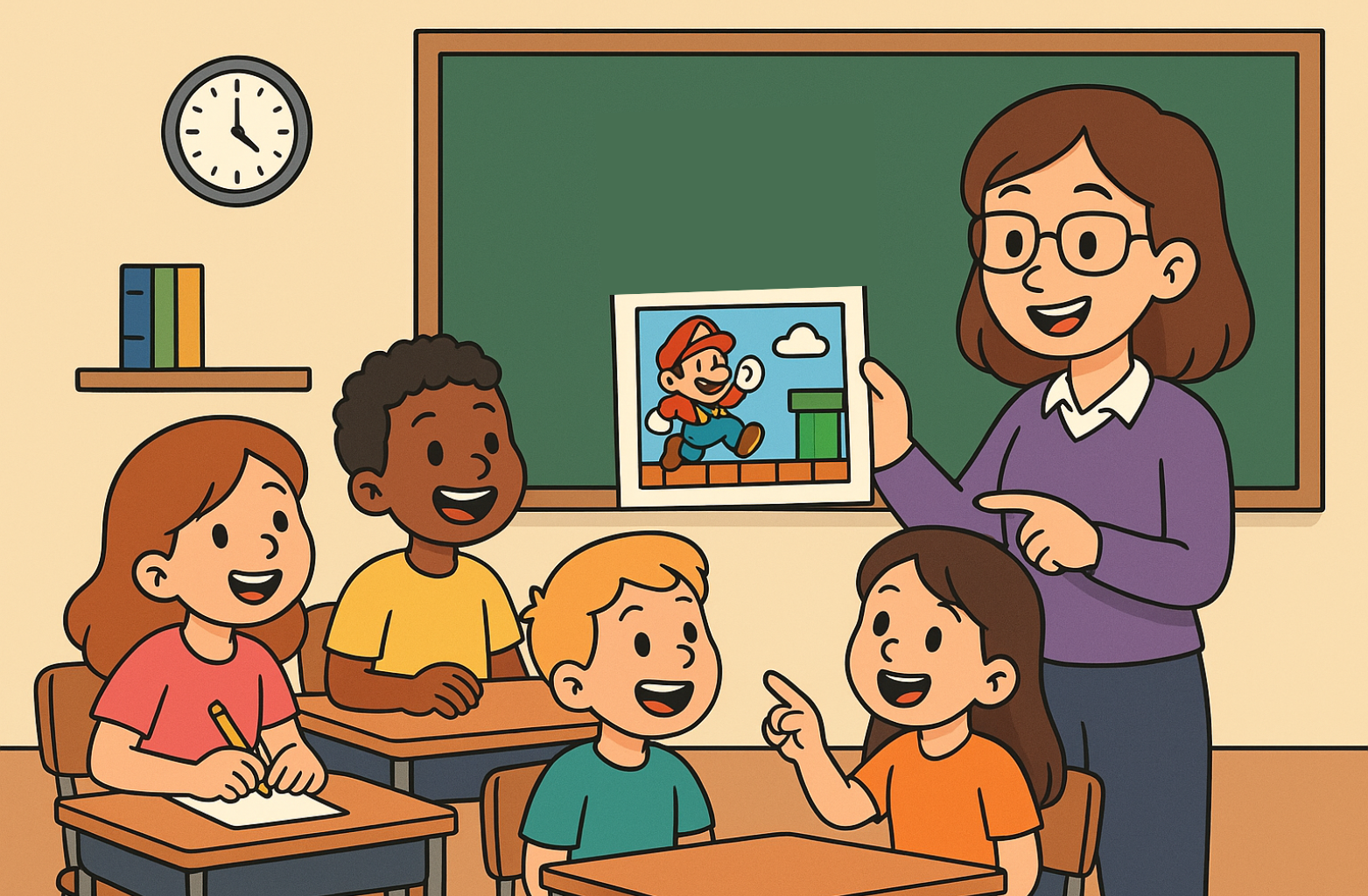
Why One-Size-Fits-All Doesn't Work
Taking this a step further, personalization is where the two models diverge most dramatically.
Private tutors build their entire approach around one student. They observe how that student processes information, identify specific knowledge gaps, and adjust pacing accordingly. A student with ADHD who learns best through movement and verbal explanation gets a fundamentally different session than a methodical, visual learner working through the same algebra unit.
The Standardization Trade-Off
Tutoring centers use standardized curricula. That's not a criticism - standardization creates consistency and measurable benchmarks. But it does mean the program shapes itself around the average student, not around the specific child sitting at the desk.
Learning style compatibility matters more than most families realize when choosing academic support. Research from the National Center for Education Statistics shows that personalized instruction can accelerate learning gains by up to 30% compared to group-based models for students with identified learning gaps.
Some Students Thrive in Group Settings
Some students genuinely thrive in a center environment. Students who are motivated by mild peer competition, who benefit from seeing others work through similar problems, and who respond well to structured progression often outperform their private-tutoring peers in center settings.
Neither model has a monopoly on results. The right fit depends entirely on the individual child.
Students with diagnosed learning differences often benefit most from private tutoring
Students needing broad foundational support may do well in a structured center
Highly motivated students can succeed in either environment
Students with inconsistent schedules typically need the flexibility of private tutoring
Students who struggle with accountability may benefit from a center's built-in structure
How Teachertainment Handles Learning Differences
Teachertainment doesn't force students into a predetermined learning track. Every student's program starts with a genuine assessment of how they learn - not just what they don't know. That distinction is what separates meaningful progress from expensive busywork. Whether a student needs movement-based learning, visual reinforcement, or verbal processing, Teachertainment's educators adapt their methods to match, not the other way around.
Best Fit for Your Child
Start With the Problem, Not the Price
Which leads to an important question: how does a parent actually identify which model fits their child?
Start with the problem. Is the challenge specific and targeted - like bombing one section of the SAT or failing a single class? Or is it broad and systemic, like falling behind across multiple subjects due to foundational gaps? Specific problems respond better to private tutoring. Broad, foundational issues can often be addressed effectively through a center's structured progression.
Consider the Student's Personality
Then consider the student's personality. Some kids shut down in group settings. Others find one-on-one sessions uncomfortably intense. Middle school students - particularly those in the 11-to-14 age range - often have strong preferences about this that parents don't always know until they ask directly.
Factor In the Parent's Role
Consider also the parent's involvement level. Private tutoring often requires more active coordination from parents, from scheduling to communicating progress. Tutoring centers handle more of that infrastructure internally.
Timeline Changes Everything
Finally, look at the timeline. Families with an urgent deadline - a college application essay due in six weeks, a final exam in three - need the rapid adaptability of private tutoring. Families playing a longer game, building skills over a full academic year, have more flexibility to use either model effectively.
Teachertainment works across both timelines. Short-term intervention and long-term academic development aren't treated as separate products - they're part of the same student-centered approach.
Making the Right LA Choice
The LA Education Market Is Unlike Anywhere Else
The next piece of the puzzle is understanding how the LA context specifically shapes this decision.
Los Angeles isn't a typical education market. The density of high-performing private schools, the volume of college-prep pressure starting as early as 6th grade, and the sheer number of tutoring options available make this a uniquely competitive environment. Families here aren't just choosing between tutoring models - they're navigating an entire ecosystem of academic support services.
Private Tutors and Tutoring Centers in the LA Ecosystem
What's the difference between a private tutor and a tutoring center in LA, specifically? In LA, private tutors often have deep relationships with specific schools, test prep programs, and admissions consultants. That network access can be genuinely valuable for families navigating the college process. Tutoring centers, meanwhile, often have established reputations within specific neighborhoods and school communities, which carries its own kind of credibility.
Proximity matters too. LA traffic is a real variable - a tutoring center 20 minutes away without traffic might be 45 minutes away on a Tuesday afternoon. That friction adds up over a semester.
The Hybrid Approach Many LA Families Are Taking
The smartest approach many LA families take is a hybrid one. Private tutoring for targeted, urgent needs. A tutoring center for ongoing skill reinforcement. Used together, the two models complement each other effectively.
Why Teachertainment Is the Smarter LA Choice
Teachertainment was designed with the LA student in mind. The program brings together the personalization of private tutoring, the structure of a proven curriculum, and the kind of network knowledge that only comes from working deeply within the LA academic community. Families don't have to choose between customization and consistency - Teachertainment delivers both, without the logistical headaches of managing two separate providers.
What's the difference between a private tutor and a tutoring center in LA? Ultimately, it comes down to customization versus structure, flexibility versus consistency, and targeted intervention versus broad skill-building. Teachertainment doesn't ask families to pick a side. It's built to provide all of it.
The right choice isn't universal. It's personal. And that's exactly how Teachertainment approaches every single student.
The Teachertainment Advantage - Personalization, Accessibility, and Results
What makes Teachertainment different from a traditional private tutor or tutoring center?
Teachertainment combines the personalization of one-on-one private tutoring with the structural consistency of a proven academic program. Students don't get a generic curriculum or a tutor who's figuring it out session by session - they get a purpose-built approach that adapts to how they actually learn while tracking measurable progress over time.
How does Teachertainment handle students with learning differences like ADHD or dyslexia?
Every student's program begins with a genuine assessment of their learning style, not just their academic gaps. Teachertainment's educators are trained to adapt their methods - whether that means verbal processing, visual reinforcement, or movement-based learning - to match the student's needs rather than expecting the student to conform to a standard format.
Is Teachertainment more expensive than a typical tutoring center in LA?
Teachertainment's pricing reflects the level of personalization and expertise built into every session. Compared to the cost of months of ineffective tutoring - or the long-term price of falling behind in a competitive LA academic environment - the investment is one that consistently delivers measurable returns. Families are encouraged to reach out directly for a transparent conversation about pricing and program options.
Can Teachertainment help with urgent deadlines like SAT prep or college application essays?
Absolutely. Teachertainment works across both short-term intervention and long-term academic development. Whether a student has six weeks before a critical exam or is building skills across a full academic year, the program adapts its pace and focus accordingly.
Does Teachertainment work with students at all grade levels?
Teachertainment supports students across a wide range of grade levels, from foundational skill-building in the middle school years through high-stakes college prep. The program is designed to meet students where they are - not where a standardized curriculum assumes they should be.
Ready to Stop Guessing and Start Seeing Results?

Find the Academic Support Your Child Actually Needs - With Teachertainment
Every week without the right academic support is a week of lost momentum. In a city as competitive as Los Angeles, that's not a gap any family can afford to let grow.
Teachertainment works with each student's unique strengths and challenges to build genuine confidence and real academic competence. It's not a tutoring center with rotating instructors and a one-size-fits-all workbook. It's not a freelance tutor without a structured plan. Teachertainment is the smarter option - personalized, proven, and built specifically for students who deserve better than average.
Don't settle for a program that fits most students. Choose the one that fits yours.
Reach out to Teachertainment today and take the first step toward academic support that actually moves the needle.
