
Should I Tell My Child's Teacher That We Hired a Private Tutor?

The answer is yes. Here is exactly how and why it makes everything work better.
Ted Lasso understands something most people overlook: the best outcomes come from the whole team working together, not from individual players keeping secrets. When Rebecca does not tell the coaching staff something important, it costs the team. When communication is open, even when it is uncomfortable, things get better. The same principle applies to your child's academic support team, and yes, that team includes their classroom teacher.
Many parents feel awkward about telling a teacher they have hired a private tutor. They worry it will seem like a criticism of the teacher's instruction. Or they want to keep the tutoring private out of respect for their child's feelings. These are understandable instincts. But the research on student outcomes is consistent: when tutors and teachers operate in alignment, students make significantly more progress than when they operate in separate silos.
Why Parents Hesitate to Tell the Teacher

The hesitation almost always comes from one of three places. The first is a worry that the teacher will feel criticized. Parents do not want to imply that the classroom instruction is inadequate. The second is a desire to protect their child's privacy, particularly for older students who may feel embarrassed about having a tutor. The third is simply not knowing whether it is appropriate or what to say.
All three concerns are valid. None of them are strong enough reasons to keep the teacher in the dark. Here is why.
What Teachers Actually Think When They Find Out
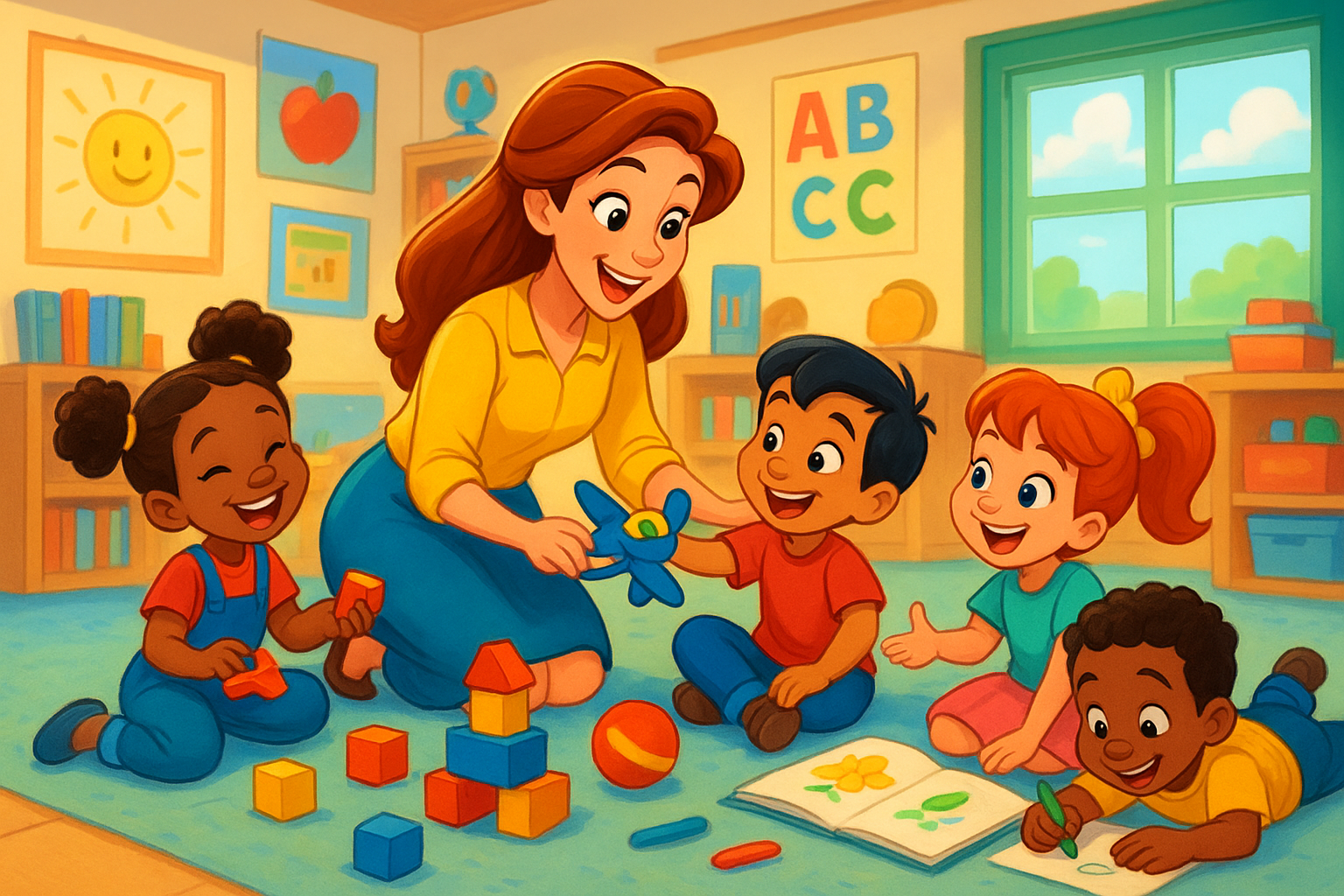
Most teachers respond to learning that a student has a tutor with one reaction: that is great news. Teachers are not territorial about academic support. They are exhausted, under-resourced, and genuinely trying to reach twenty-five or more students simultaneously. A student who is getting additional individualized support is a student the teacher can build on, not one they have to remediate from scratch.
A teacher who knows about tutoring can do things that dramatically improve outcomes. They can share specific areas where the student is struggling in class so the tutor can address them directly. They can let the tutor know what vocabulary, concepts, or skills are coming up in the next unit. They can give the student slightly more complex work to match the progress being made in tutoring sessions.
None of that happens when the tutoring is invisible to the teacher. The two adults most responsible for a child's academic progress end up working from completely different pictures of the same student.
How to Tell the Teacher Without It Feeling Awkward
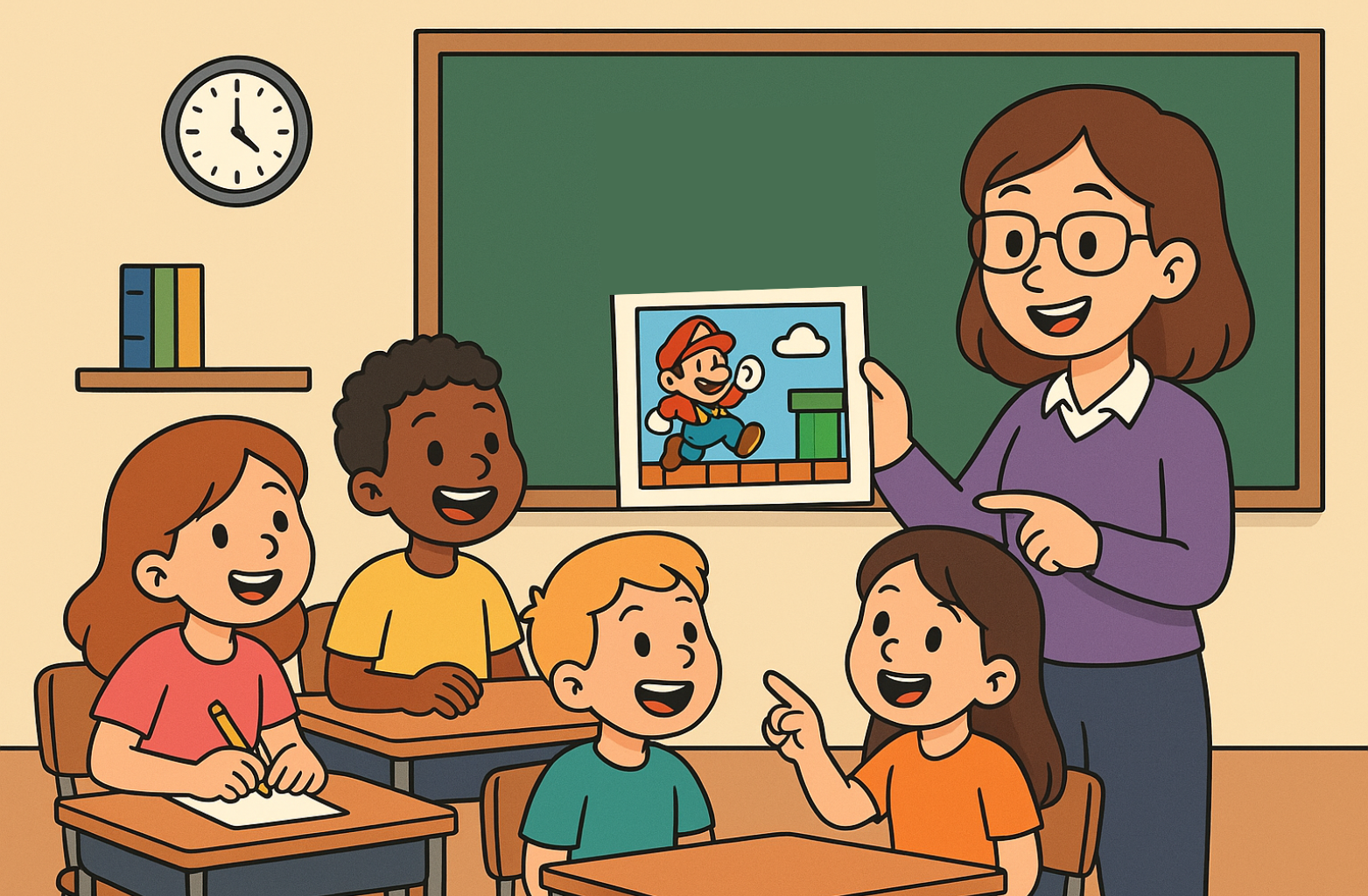
Keep It Simple and Positive
A quick email or brief conversation is all it takes. Something like: we have recently started working with a private tutor to give our child some additional support outside of school. We wanted to let you know that it may be helpful for the two of you to be in the loop on each other's work. That framing is honest, collaborative, and non-critical. Most teachers will respond warmly.
Ask One Specific Question
The most productive thing you can do after introducing the tutoring is to ask the teacher one specific question: Is there anything you are working on right now that you would like the tutor to reinforce? This opens the door to collaboration without requiring a formal meeting or a lengthy exchange. Teachers appreciate it when parents take the initiative to create that connection.
Respect Your Child's Preferences
If your child is older and feels strongly about keeping the tutoring private from peers, that is a separate issue from telling the teacher. Teachers are professionals. They do not announce to the class that a student has a tutor. You can be open with the teacher while still giving your child the privacy they need within their social environment. If your child's reluctance about tutoring itself is the bigger challenge, read our post on what to do when your child refuses to be tutored for practical guidance.
How Teachertainment Approaches the Teacher Relationship
Jake Perlman's years of classroom teaching at Canfield Avenue Elementary, Brawerman Elementary, Crete Academy, and St. Timothy School gave him a direct understanding of what it feels like to be a teacher who wants to help every student but cannot reach all of them equally in a group setting. That experience shapes how Teachertainment approaches the relationship between tutoring and classroom instruction.
We encourage families to share relevant information with teachers. We are happy to communicate our focus areas with a teacher if the family wants to facilitate that connection. And we design our sessions to complement and reinforce what is happening in the classroom, not to contradict or undermine it.
For families who want structured guidance on navigating the relationship between home, tutoring, and school, Teachertainment's family consultation service is designed exactly for that. We help families develop a coherent academic support plan that everyone involved understands and works within.
Frequently Asked Questions
Will telling my child's teacher about tutoring create any awkwardness?
It is unlikely, particularly if you frame it as additional support rather than a response to inadequate teaching. Most teachers are genuinely pleased to learn that a student is getting extra help. If you frame the conversation as collaborative rather than critical, the response is almost always positive and productive.
Should I share the tutor's contact information with the teacher?
This depends on the depth of collaboration you want to create. A simple heads-up to the teacher requires nothing more than an email. If you want the tutor and teacher to communicate directly, ask both of them first. Some teachers are enthusiastic about this kind of coordination. Others prefer to stay focused on the classroom. Neither preference is wrong.
What should I tell my child about their teacher knowing about the tutor?
Be matter-of-fact. Tell your child that you will let their teacher know so that everyone helping them can work together. Keep the tone neutral and confident. If you treat it as a normal and positive thing, your child is likely to follow your lead. If you seem apologetic or secretive about it, your child may develop the same anxiety around the topic.
What if the teacher disagrees with the tutoring approach?
This is rare, but it does happen. If a teacher expresses concern about the tutoring conflicting with classroom instruction, take that feedback seriously. A quality tutor will always align with the curriculum rather than contradict it. If there is genuine misalignment, a direct conversation between you, the teacher, and the tutor is the right next step.
Does Teachertainment coordinate with classroom teachers?
Teachertainment is open to collaboration with classroom teachers whenever families want to facilitate that connection. Our sessions are designed to reinforce and complement classroom learning, not replace it. For families who want a structured approach to aligning tutoring with school, our family consultation service can help build that coordination plan.
How much information should I share with the teacher about the tutoring sessions?
You do not need to share session details. The most useful information for a teacher is the general focus area, which subjects or skills the tutor is working on, and an invitation to share what they are covering in class. That level of communication is enough to enable meaningful alignment without requiring ongoing administrative coordination between you, the tutor, and the teacher.
The Best Academic Support Is a Team Effort

At Teachertainment, we believe the adults in a child's academic life work best when they are working together. Whether you want tutoring support, a family consultation to align everyone's approach, or help preparing for a school conversation, we are here. Explore our family consultation service or reach out directly at jake@teachertainment.com. Your child's team is stronger when it communicates.
