
At what age should a West Hollywood child start working with a private tutor?

Nearly 1 in 3 students who fall behind grade level by third grade never fully catch up. That's not a scare tactic - it's a finding from the Annie E. Casey Foundation that should make any parent pause and think seriously about academic support.
Deciding when to bring in a private tutor isn't always straightforward. Too early, and it might feel unnecessary. Too late, and the gaps become harder to close. Parents in West Hollywood face this question constantly, especially with the academic pressures that come with living in one of the most competitive educational corridors in Los Angeles County.
This guide breaks down the real signals that indicate a child is ready for tutoring, which age ranges tend to benefit most, what makes West Hollywood's academic environment uniquely demanding, how to match a tutor to a child's developmental stage, and what actually makes early tutoring stick for the long run.
Signs Your Child Is Ready for Tutoring

Readiness isn't purely about age. Some kids show clear signals at five. Others coast comfortably until middle school before hitting a wall.
The most reliable indicator is frustration during homework. When a child who used to breeze through assignments starts shutting down, avoiding schoolwork, or expressing that they feel "dumb," that's not a phase. That's a signal worth taking seriously.
Here's the thing: readiness often shows up in subtle ways that parents can miss because they're looking for obvious academic failure. A child doesn't need to be failing to benefit from a tutor. Plateauing is just as important a signal as declining.
Watch for These Readiness Cues
Consistent confusion around one specific subject area
A widening gap between effort and results
Teacher feedback suggesting the child needs more one-on-one time
Loss of confidence or increasing school-related anxiety
Asking fewer questions in class out of embarrassment
Children who are gifted but bored also benefit enormously from private tutoring. Enrichment-based tutoring for advanced learners is just as valid a reason to hire a tutor as remediation - don't overlook that angle just because the report card looks fine.
The next piece of the puzzle is understanding how age shapes what kind of tutoring actually works.
Best Starting Ages by Developmental Stage
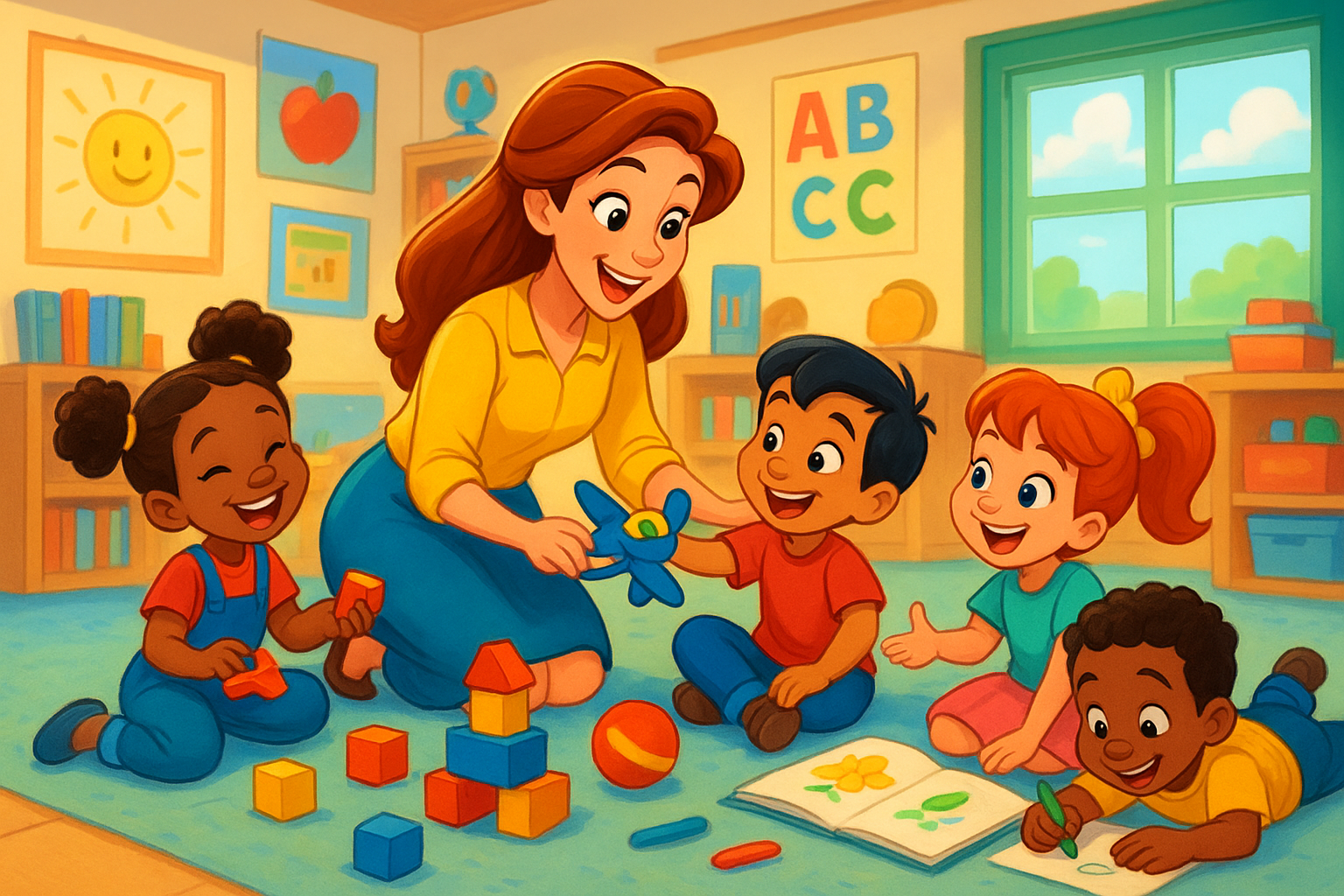
Ages 4 to 6: The Pre-Literacy Window
So, at what age should a West Hollywood child start working with a private tutor? There's no universal answer, but there are strong patterns across developmental stages.
Ages 4 to 6 represent the pre-literacy and early numeracy window. Tutoring at this stage focuses on phonics, letter recognition, counting, and foundational language skills. It's less about formal instruction and more about playful reinforcement. Short sessions - no longer than 20 to 30 minutes - work best here.
Ages 7 to 10: The Most Impactful Window
Arguably the most critical period for academic tutoring, children in this range are building core reading comprehension and math fluency. Research from the National Center for Education Statistics shows that students who receive targeted reading support before age 9 demonstrate significantly stronger outcomes by fifth grade. A tutor at this stage can reshape a child's academic trajectory before bad habits calcify.
Don't underestimate what's at stake during these years. The habits formed between second and fifth grade tend to follow students well into high school.
Ages 11 to 14: The Transition Period
Middle school brings abstract thinking, multi-step problem solving, and a dramatic jump in academic expectations. Tutoring here often shifts from remediation to strategy - helping students manage workload, study effectively, and prepare for high school placement.
Ages 14 to 18: High School and Beyond
High school tutoring tends to be the most visible and common. SAT prep, AP coursework, and college application essays drive most of the demand. But parents who wait until high school are often playing catch-up when they could've been building ahead.
West Hollywood's Academic Pressures Are Real
Armed with that knowledge about developmental stages, it helps to understand the specific environment West Hollywood students are navigating.
West Hollywood sits within the Los Angeles Unified School District, but many families in the area also pursue private school options - from Fairfax-area independents to prestigious institutions further west. The competition for spots in gifted programs, magnet schools, and college prep tracks is intense.
The academic bar in this zip code isn't average. Parents aren't imagining the pressure. It's measurable.
LAUSD data consistently shows that high-performing schools in the West Hollywood corridor have larger proportions of students receiving supplemental academic support outside the classroom. Private tutoring is less of a luxury here and more of a standard tool for families who want their children to stay competitive.
What Makes the LA Academic Environment Uniquely Demanding
Here's where it gets interesting: the pressure doesn't just come from school. Many West Hollywood families are navigating dual-income households, busy extracurricular schedules, and children managing social-emotional pressures that leave little bandwidth for struggling through homework alone. A private tutor provides structure that busy home environments sometimes can't.
Factors unique to West Hollywood's academic landscape include:
Strong parental investment in early childhood education
High rates of enrollment in enrichment and accelerated programs
Competitive middle school and high school placement processes
Significant cultural and linguistic diversity in classrooms
Above-average parental awareness of educational resources
Los Angeles is a city of extraordinary ambition. The families who gather at places like the Exposition Park Rose Garden on weekends, attend events at The Ebell of Los Angeles, or live near the cultural richness surrounding The MacArthur understand that investing in a child's future isn't optional - it's part of the fabric of life here. Academic support is simply one more layer of that investment.
Choosing the Right Tutor for Your Child's Age and Stage
Younger Children (Ages 4 to 8)
The most effective tutors for this group are those with early childhood education backgrounds. They understand how children at this age process information, and they know how to make learning feel like play rather than work. Patience and creativity matter more than subject expertise at this stage.
Elementary-Age Students (Ages 8 to 12)
Subject knowledge starts to matter more here. A tutor working on reading comprehension or multiplication needs to understand where the curriculum is heading, not just where the child currently sits.
Credentials alone don't make a great tutor, though. What research consistently confirms is that the tutor-student relationship is the strongest predictor of outcomes. A child who connects with their tutor will show up willing to work. A child who doesn't will just sit there.
Middle and High School Students
Look for tutors who understand the specific curriculum demands of LAUSD schools or the private school the child attends. Test prep specialists should have documented results, not just claimed expertise.
Key Questions to Ask Any Prospective Tutor
How do you adapt your approach for different learning styles?
What does a typical session look like for a child this age?
How do you communicate progress to parents?
What's your experience with students at this specific grade level?
How do you handle a student who's resistant or disengaged?
Teachertainment's educators are selected with exactly these standards in mind - and they're trained to work with the full range of learners that Los Angeles families bring to the table.
Making Early Tutoring Actually Work
Starting tutoring early only pays off if the setup supports the child. Structure matters enormously.
Consistency Beats Intensity Every Time
A child who sees a tutor once a week for six months will outperform a child who does an intensive two-week session before a test. The brain consolidates learning through repetition over time, not cramming. That's not a preference - it's neuroscience.
Parental Involvement Changes Everything
Parental involvement plays a bigger role than most families expect. This doesn't mean sitting in on every session - it means staying curious about what the child is working on, reinforcing vocabulary or concepts at home, and keeping communication open with the tutor.
Tutoring works best when it's treated as a partnership, not a hand-off. Dropping a child with a tutor and checking out won't produce the same results as staying engaged throughout the process.
Building a Positive Association with Learning
For younger children especially, keeping sessions short (20 to 40 minutes) and ending on a positive note builds the kind of association with learning that pays dividends for years. A child who associates academic help with success and encouragement will seek it out as they get older - and that's a habit worth building early.
Practical Habits That Make Early Tutoring More Effective
Schedule sessions at the same time each week to build routine
Choose a quiet, consistent location free from distractions
Review tutor feedback together as a family
Celebrate small wins visibly and specifically
Reassess goals every 6 to 8 weeks
The Right Time Is Sooner Than Most Parents Think
At what age should a West Hollywood child start working with a private tutor? The honest answer is: earlier than most parents act on it. Whether a child is struggling, plateauing, or simply ready to be challenged beyond what the classroom offers, the window of opportunity is widest before the gaps become entrenched.
The families who see the strongest results aren't necessarily the ones who hired the most expensive tutor. They're the ones who paid attention early, matched their child with the right support, and stayed involved throughout the process.
Los Angeles parents who take their children to the Natural History Museum, who invest in swim lessons and music programs, who know the difference between a good school and a great one - those are the parents who understand that early academic support isn't reactive. It's strategic.
And Teachertainment is built for exactly that kind of family.
When to Start Private Tutoring for Children in West Hollywood
What age is too early to start tutoring in Los Angeles?
There's no age that's universally too early, but structured academic tutoring typically becomes meaningful around ages 4 to 5, when foundational literacy and numeracy skills begin to develop. Before that, enrichment play and reading together at home tend to be more appropriate. Teachertainment's early childhood educators know how to calibrate sessions so they're developmentally appropriate - not stressful or premature.
How do Los Angeles parents know if their child needs a tutor or just more time?
Time alone rarely closes academic gaps once a child has fallen behind. If a child is consistently confused in one subject, expressing anxiety about school, or receiving feedback from teachers about needing more individual attention, those are reliable signals that a tutor would help. Waiting to see if the problem resolves on its own is a common mistake - and one that becomes more costly the longer it continues.
Is private tutoring in West Hollywood only for struggling students?
Not at all. Many of the families Teachertainment works with in the Los Angeles area are seeking enrichment for gifted students who aren't being sufficiently challenged in the classroom. Boredom is just as real an academic problem as falling behind, and tutoring for advanced learners is just as valuable as remediation.
How is Teachertainment different from other tutoring services in Los Angeles?
Teachertainment combines rigorous academic support with genuine engagement - the kind that keeps kids motivated session after session. Tutors aren't just subject experts; they're educators who know how to connect with young learners at every stage of development. For Los Angeles families navigating LAUSD's competitive landscape or the demands of private school placement, that combination of warmth and expertise makes a measurable difference.
How often should a child in West Hollywood meet with a tutor?
For most students, once a week provides enough consistency to build momentum without overwhelming a busy family schedule. Children dealing with significant academic gaps may benefit from two sessions per week, at least initially. The key is regularity over intensity - a steady cadence of sessions across months produces far better results than sporadic bursts of tutoring before a test or placement exam.
Give Your Child the Academic Foundation They Deserve

Teachertainment Is Ready to Help Los Angeles Families Get Ahead
Every child in Los Angeles deserves access to the kind of support that keeps them engaged, confident, and moving forward - whether they're just starting to read, navigating the pressures of middle school, or preparing for high school placement exams.
Teachertainment works with families across West Hollywood and greater Los Angeles to match children with educators who don't just know their subject - they know how to reach kids. That's the difference between a tutor a child tolerates and one they actually look forward to seeing.
The families who act early, stay involved, and choose the right support see real results. Don't wait until the gaps are harder to close.
Reach out to Teachertainment today and find the right tutor for your child - right here in Los Angeles.
