
What If Tutoring Does Not Work for My Child? What Are My Options?

When the original plan fails, the best teams do not give up. They find another way.
In Apollo 13, the mission does not go as planned. The original objective becomes impossible. But the team on the ground does not shut down. They reassess what resources they have, redefine what success looks like in the new situation, and find a path forward that nobody had anticipated. That is the approach that gets the astronauts home.
When tutoring is not working for a child, the instinct is often to treat it as evidence that the whole idea was wrong. But more often, it is evidence that something specific about the approach needs to change. Before you conclude that tutoring is not the answer for your child, it is worth understanding why it stalled and what a different approach might look like.
The Most Common Reasons Tutoring Does Not Work

The Wrong Fit
The single most common reason tutoring fails to produce results is a mismatch between the tutor's style and the student's learning profile. A tutor who is brilliant at teaching math through structured problem-solving may be completely ineffective with a student who needs narrative context and real-world application to access the same concepts. Credentials do not guarantee a connection. Connection is what produces learning.
The Wrong Problem Being Addressed
Sometimes tutoring stalls because it is addressing the symptom rather than the cause. A student who appears to struggle with reading comprehension may actually be dealing with unaddressed anxiety that makes sustained focus impossible. A student who cannot seem to retain math concepts may have a foundational gap several grade levels back that the current tutoring is not reaching. Treating the surface issue without diagnosing the root cause produces limited results.
Insufficient Frequency or Consistency
One session per week is a reasonable starting point for most students. But for a student with significant gaps, one session per week may not be enough to produce visible progress within a short timeframe. Learning requires repetition and consolidation. If sessions are infrequent or inconsistently attended, the gains from each session do not have the opportunity to compound.
The Student Is Not Yet Ready
This is the hardest one to hear and the most important one to acknowledge honestly. A student who is emotionally shut down, who is dealing with something at home or socially that is consuming their attention and energy, or who has not yet reached a personal point of willingness to engage, will not make meaningful progress regardless of how skilled the tutor is. Tutoring is a collaborative process. It requires a student who is available to participate, even minimally.
What to Do Before You Give Up on Tutoring

Have an Honest Conversation With the Tutor
A good tutor will tell you when progress is slower than expected and why. They will share what they are observing in sessions and what they believe is driving the stall. If you have not had this conversation, have it now. Ask directly: What do you think is getting in the way? What would you change about our approach? A tutor who cannot answer these questions is a tutor worth reconsidering.
Try a Different Tutor Before Trying Nothing
The absence of results with one tutor is not evidence that tutoring cannot work for your child. It is evidence that this particular tutor and this particular child have not found the connection that produces learning. Before concluding that tutoring is not the answer, try a different approach, a different personality, a different methodology.
Address the Root Cause
If there is evidence that the stall is driven by something beyond the academic content, a learning difference, anxiety, emotional disengagement, or a family situation affecting the student's availability, the right next step may be a broader conversation before adding more tutoring hours. Teachertainment's family consultation service is designed exactly for this moment. We help families understand what is really driving the academic challenge and build a plan that addresses it at the source.
Why the Teachertainment Approach Succeeds Where Others Stall
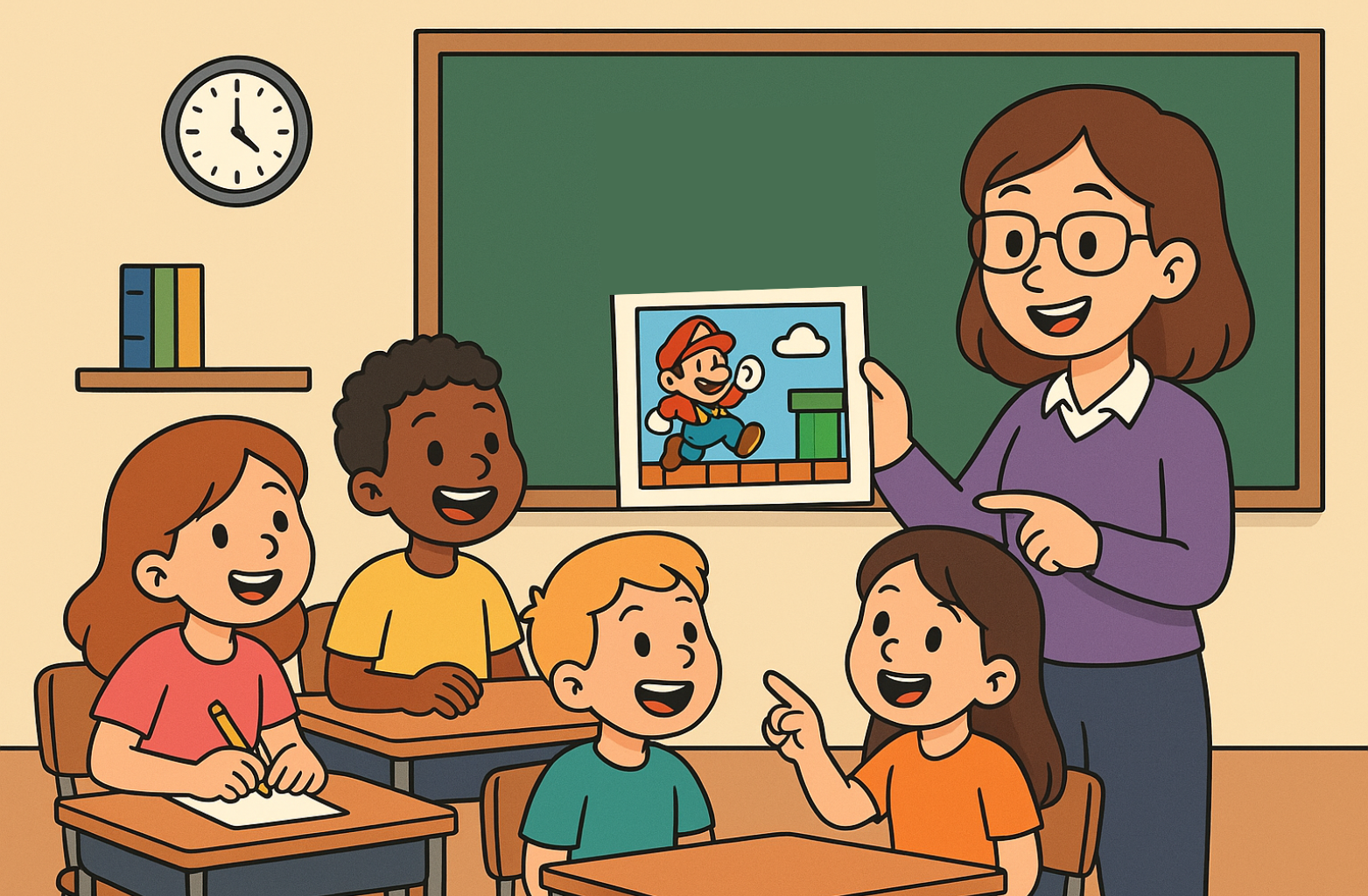
Jake Perlman spent years teaching in classrooms at Canfield Avenue Elementary, Brawerman Elementary, Crete Academy, and St. Timothy School before building Teachertainment. That classroom experience, combined with his M.Ed. from Pepperdine University and his background in professional entertainment at Paramount Pictures, Showtime Networks, and Entertainment Weekly, produced a tutoring method that is specifically designed for students who have not responded to conventional approaches.
When traditional instruction fails a student, it is almost always because the content is being delivered in a way that does not connect with how that student processes and engages with information. Teachertainment's method starts with the student's world, their interests, their pop culture touchstones, and their natural curiosity, and builds the academic content from there.
Students who arrive at Teachertainment having tried and disengaged from previous tutoring almost always respond differently because the experience is genuinely different. If you are ready to see what that looks like, explore our private K-12 tutoring page.
When Tutoring Truly Is Not the Right Tool
We want to be honest about this because trust requires honesty. There are situations where private tutoring, in the traditional sense, is not the most effective intervention.
A student with a significant undiagnosed learning difference may need a specialist, not a tutor. A student in acute emotional crisis may need mental health support before academic support. A student whose school environment is the primary driver of the struggle may need a change in school setting before any tutoring can be effective.
A good tutor will tell you when they believe you are in one of these situations. That honesty is a feature, not a failure. It is what allows families to get the right help rather than continuing to invest in the wrong solution.
Frequently Asked Questions
How long should I give tutoring before deciding it is not working?
Four to six weeks of consistent sessions is a reasonable initial evaluation period for most students. If you are not seeing any movement in engagement, confidence, or academic performance after six weeks, it is time to have a direct conversation with the tutor about what is getting in the way and whether any aspect of the approach needs to change.
What are the signs that tutoring is working even if grades have not improved yet?
Watch for behavioral indicators before grade indicators. Is your child less resistant to the subject? Are they attempting problems independently that they previously refused to try? Are they asking questions in class? Are they talking about something from their tutoring session at home? These behavioral shifts often precede grade improvements by several weeks.
Should I switch tutors if my child is not making progress?
Yes, if you have given the current approach sufficient time, and the root cause of the stall appears to be fit rather than readiness. Changing tutors is not giving up. It is acknowledging that connection and methodology matter as much as credentials, and that finding the right fit is part of the process.
What does Teachertainment do differently for students who have not responded to previous tutoring?
Teachertainment starts with the student's interests rather than the curriculum. When a student who has been disengaged from traditional instruction encounters content through a lens that connects to something they genuinely care about, the learning dynamic shifts. This is the core of the teachertainment method. Explore private K-12 tutoring for more.
What if my child has a learning difference that is making tutoring ineffective?
If you suspect an unaddressed learning difference is contributing to the stall, the first step is an evaluation by a qualified specialist. Once there is clarity on what the learning difference is and how it affects your child's processing, tutoring can be adapted accordingly. Teachertainment's family consultation can help you navigate this process and determine the right type of support.
Is there a point where I should consider alternatives to tutoring entirely?
Yes. If a comprehensive assessment suggests that the primary drivers of the academic challenge are not addressable through tutoring alone, whether that is a learning difference requiring specialist support, an emotional challenge requiring therapeutic intervention, or a school placement issue, then pursuing those interventions alongside or instead of tutoring is the right call. Teachertainment will always be honest with families when this appears to be the case.
When One Approach Does Not Work, There Is Always Another Way

If tutoring has not worked for your child before, we want to understand why and show you what a different approach looks like. Start with a family consultation to identify exactly what your child needs. Reach out at jake@teachertainment.com. The right door is still out there.
