
Eight Hanukkah songs and specials to spark classroom learning

Some holiday stories arrive with a sleigh. These arrive with a missing menorah, a very determined baby, a geometry problem, and Daveed Diggs making an extremely persuasive case for a puppy. Hanukkah begins at sundown on Friday, December 4, 2026, and ends at nightfall on Saturday, December 12, 2026. The Jewish holiday gives teachers and families opportunities to connect entertainment with storytelling, music, math, and thoughtful conversations about family traditions. A familiar character can give students a reason to lean in. A good question can give them something to think about long after the credits.
Here are eight viewing and listening selections, each paired with a classroom idea. Choose one that fits your students, combine a few, or use the collection across several lessons. Nobody needs another eight-day scheduling commitment in December.
Before the opening credits
Hanukkah is an eight-day Jewish holiday commemorating the rededication of the Temple in Jerusalem following the Maccabean revolt. Jewish tradition also tells of a small supply of oil that lasted eight days. Those stories help explain the holiday’s connections to dedication, light, and perseverance. The Hanukkah lamp, often called a menorah or hanukkiah, has eight lights for the holiday and a separate helper light called the shamash. Family customs vary, including approaches to gifts. Introduce each selection as one portrayal of Jewish life, and give students room to share their own experiences voluntarily.
The grade ranges below are teaching suggestions. Preview your chosen selection and check access before planning the lesson.
Night One — A puppy, a beat, and a very clear objective
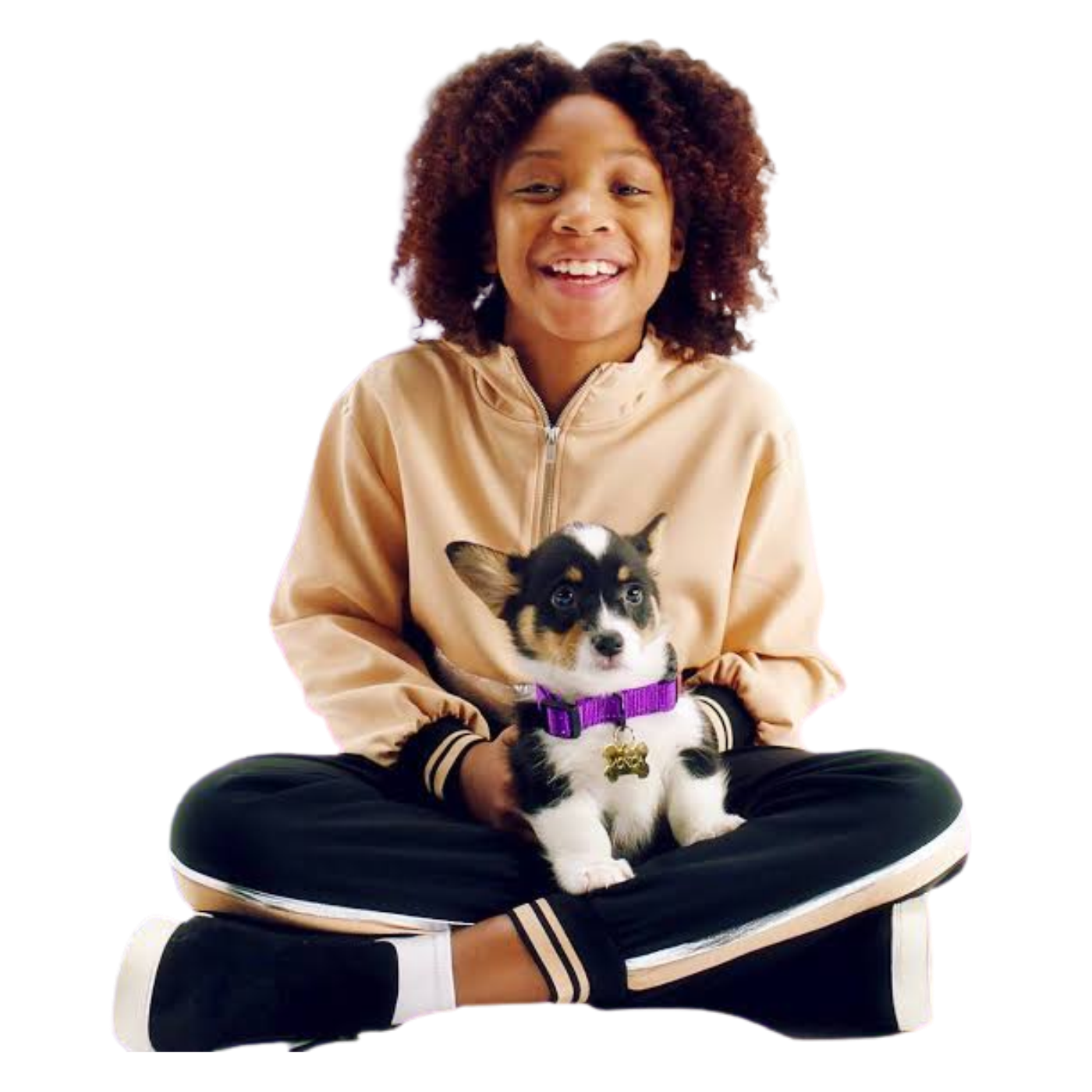
Daveed Diggs — “Puppy for Hanukkah”
Suggested grades 1–6 · Music, language arts, media literacy
Where to Watch: YouTube
Daveed Diggs knows what he wants, and he has an entire song to explain it. Released through Disney in 2020, “Puppy for Hanukkah” follows a child’s hopeful anticipation as holiday gifts keep turning out to be something other than a dog. Written and produced with William Hutson and Jonathan Snipes, the track pairs hip-hop with clarinet, tsimbl, and percussion. The holiday details sit right alongside the humor and mounting impatience. Socks have rarely faced such stiff competition.
Try this in class. Have students draw or write the character’s goal, an obstacle, and the outcome. Then listen for how repetition and vocal delivery communicate his determination. Older students can explain how the same story would feel as a quiet ballad.
Ask students. What makes this song a story as well as a wish list?
Night Two — History according to the babies
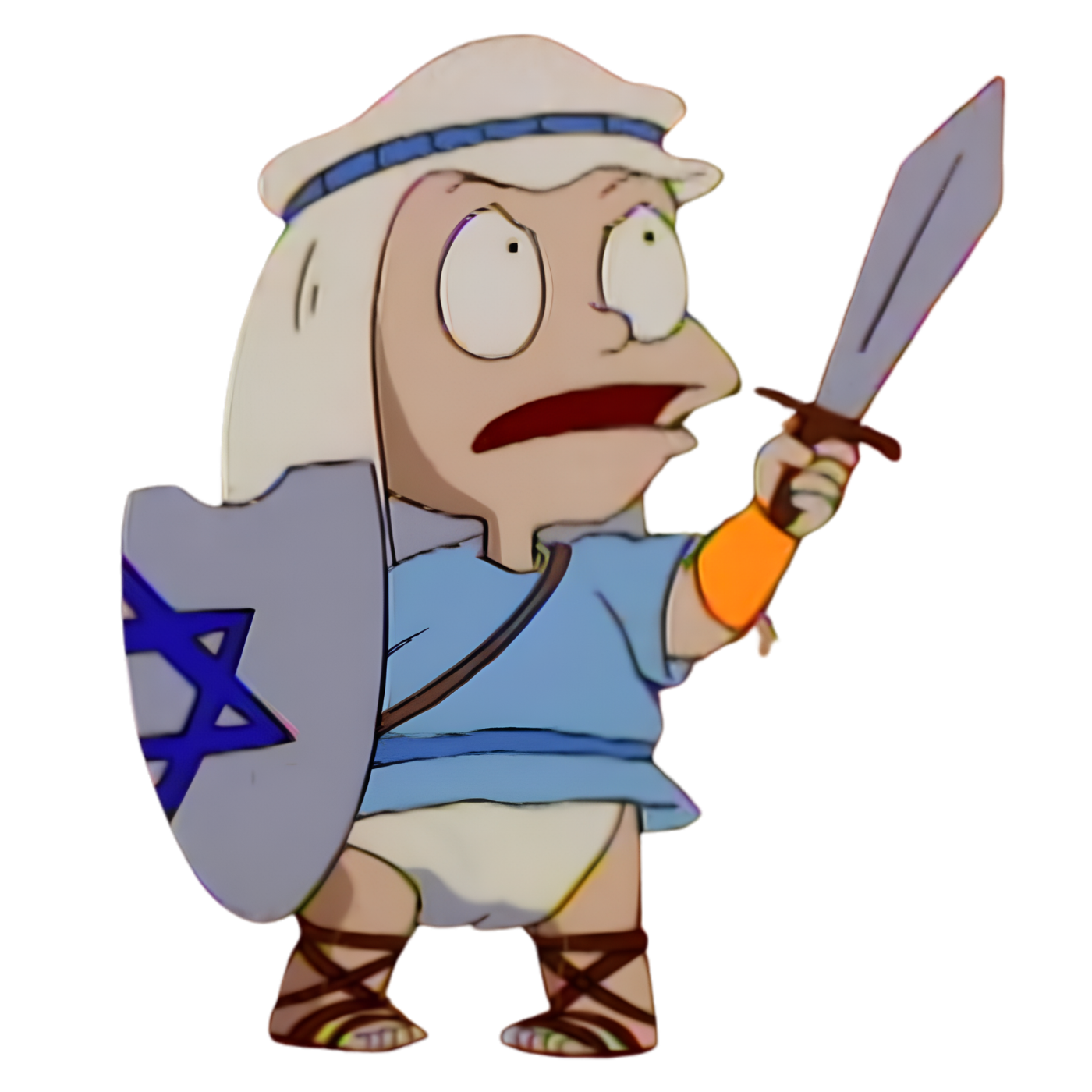
Rugrats — “A Rugrats Chanukah”
Suggested grades 2–6 · Point of view, storytelling, social studies
Where to Watch: Paramount+
Tommy and his friends bring their wonderfully literal understanding of the world to Hanukkah. The special mixes the holiday story with Grandpa Boris’s rivalry with Schlomo, whom the babies interpret as the “Meany of Chanukah.” Their misunderstanding supplies a useful example of how a character’s age and perspective shape a story.
Try this in class. Create two columns for what the babies think and what viewers understand. Choose a moment and describe how its meaning changes between those perspectives. Pair the cartoon with an age-appropriate nonfiction account of Hanukkah to examine how an adaptation uses imagination and comedy.
Ask students. How does telling a story through a baby’s eyes change what we notice?
Night Three — Blue has a clue, and Periwinkle has company
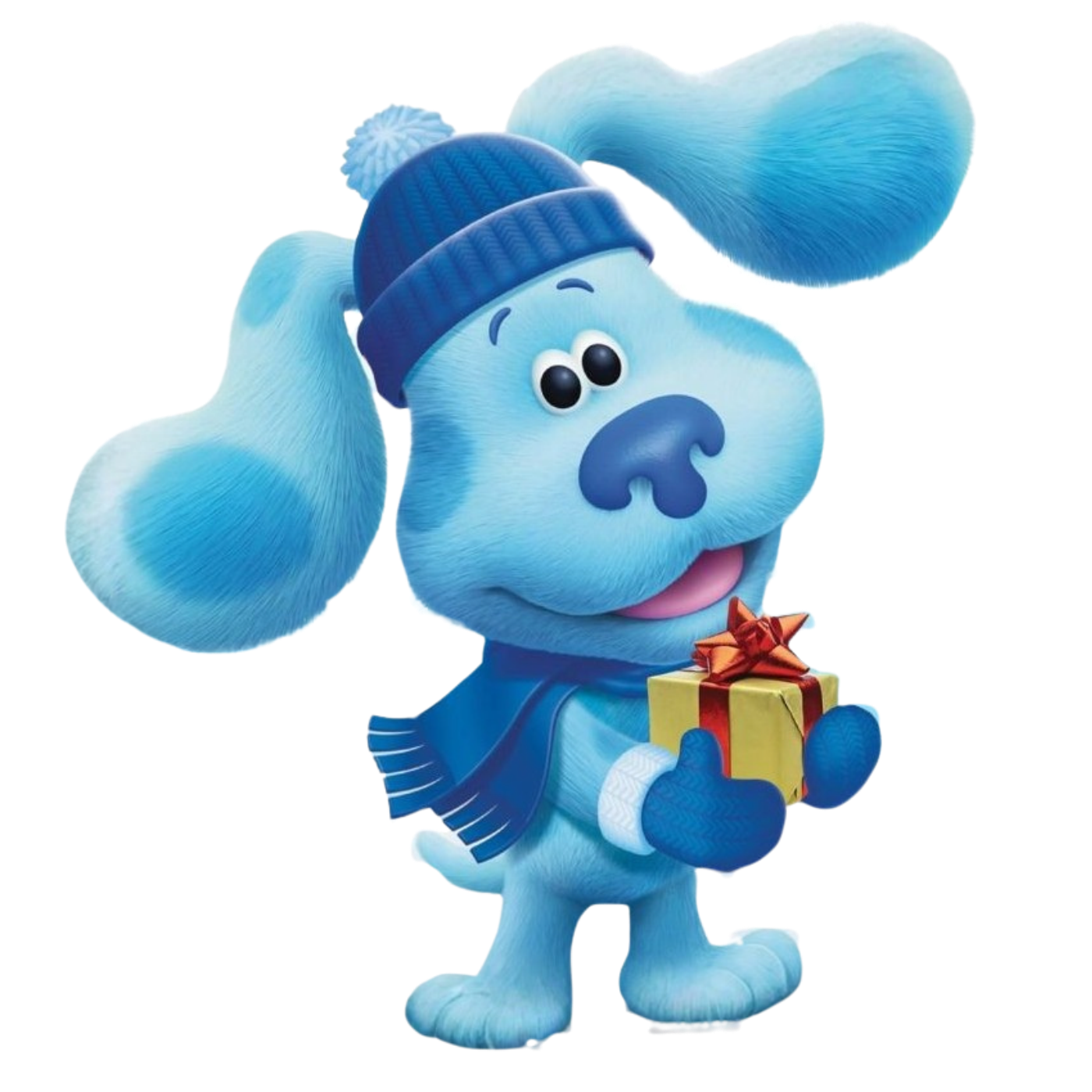
Blue’s Clues & You! — “A Blue’s Clues Festival of Lights”
Suggested grades K–2 · Observation, inference, holiday vocabulary
Where to Watch: YouTube
Josh and Blue visit Periwinkle’s home for Hanukkah and follow clues to identify a surprise guest. Dreidels, latkes, and an original song introduce parts of the celebration as the mystery unfolds. For younger students, the familiar pause-and-predict format gives them a way to participate while meeting new vocabulary.
Try this in class. Pause after each clue. Ask students to draw a prediction and complete the sentence, “I think ___ because ___.” Let them revise as new information appears.
Ask students. Which clue changed your prediction, and why?
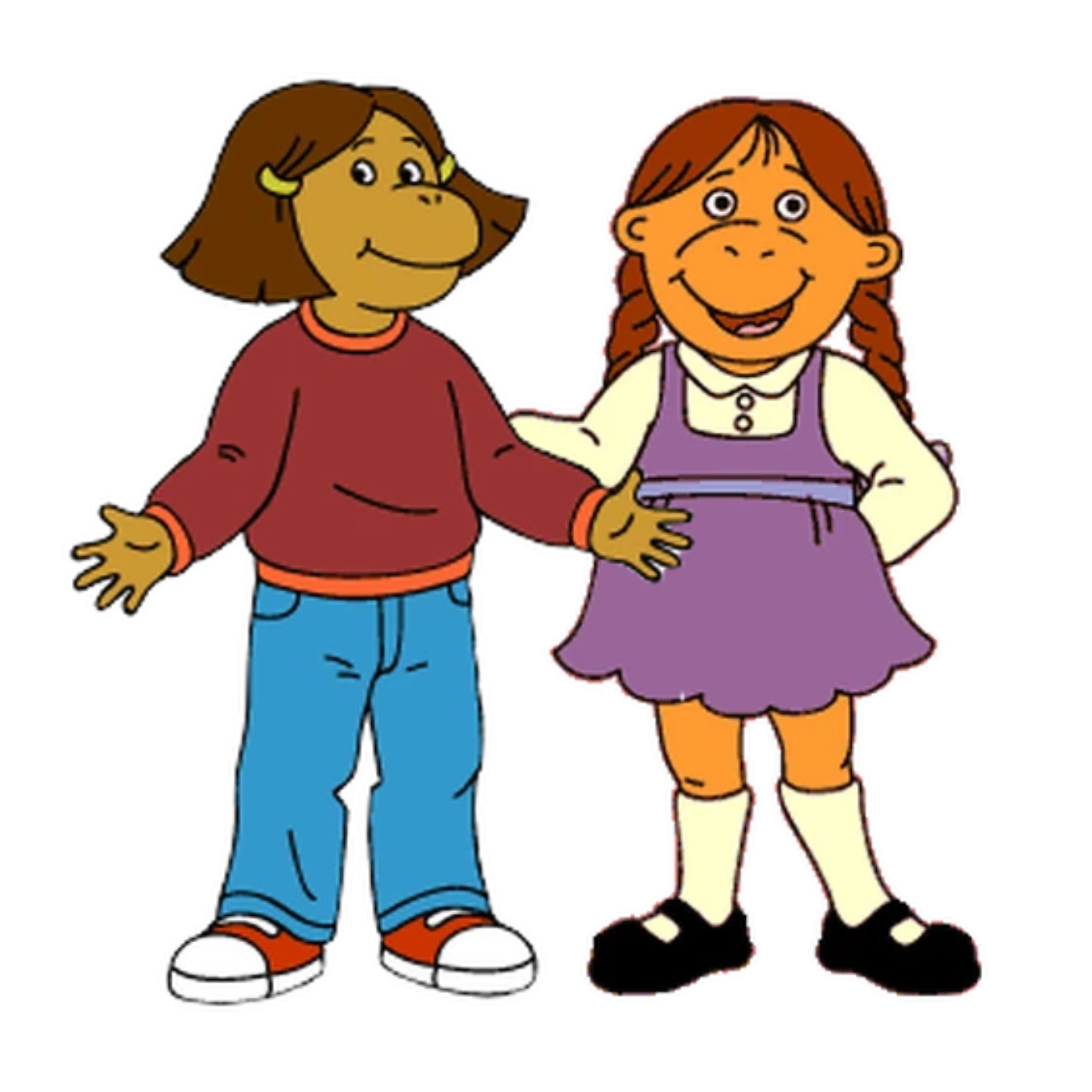
Night Four — Friendship requires listening
Arthur — “Arthur’s Perfect Christmas”
Suggested grades 2–6 · Perspective taking, friendship, cultural understanding
Where to Watch: PBS
Despite the title, this special includes several celebrations in Elwood City. Francine’s Hanukkah plans conflict with Muffy’s expectations for her Christmas party, creating a friendship problem that students can examine closely. Muffy has enthusiasm to spare. Listening takes a little more work.
Try this in class. Have students draft a thoughtful invitation that leaves room for someone to have different plans. Older students can identify a moment when Muffy makes an assumption and rewrite her response to show that she has listened.
Ask students. How can you show a friend that something matters to you while respecting what matters to them?
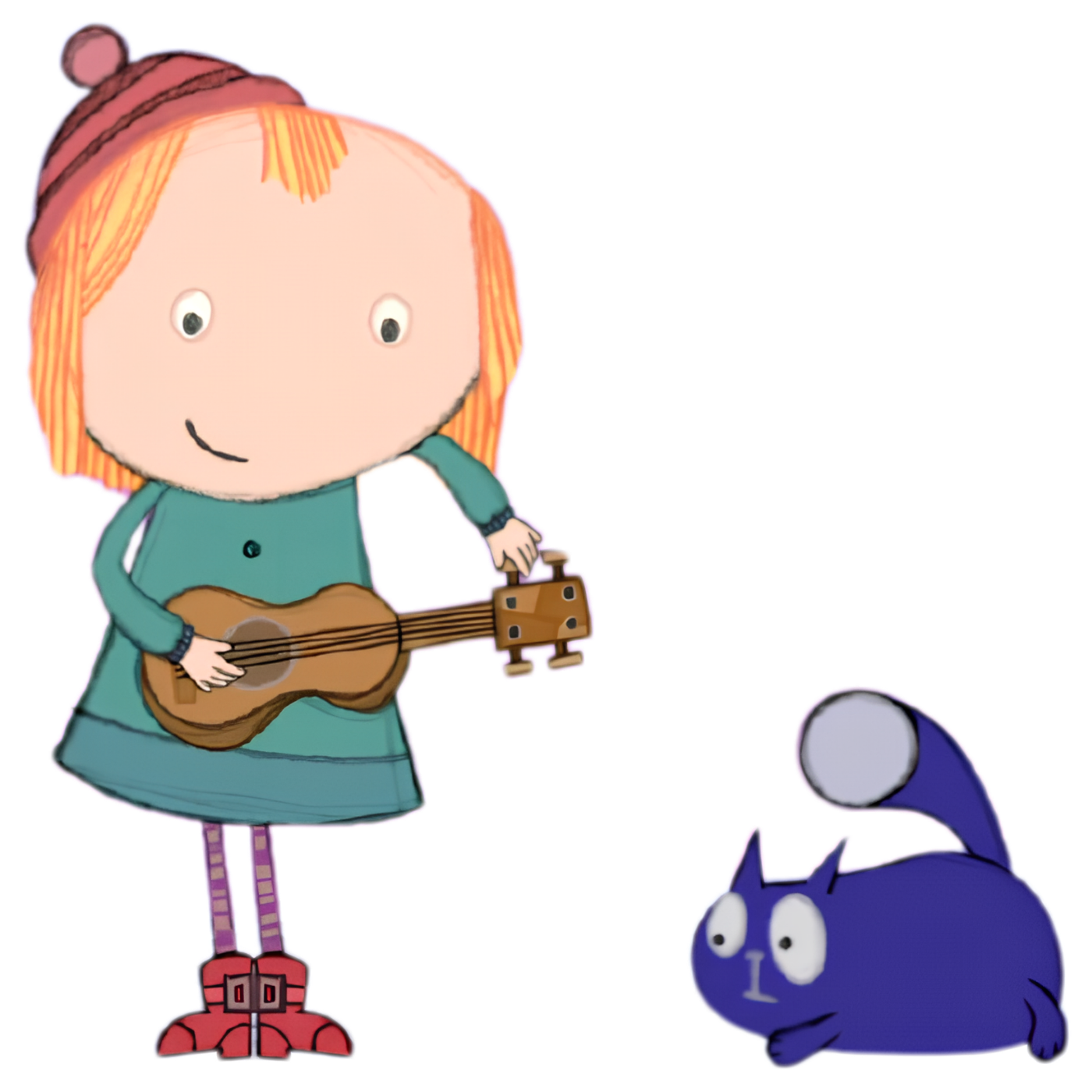
Night Five — A dreidel with another dimension
Peg + Cat — “The Hanukkah Problem”
Suggested grades K–3 · Geometry, spatial reasoning, problem solving
Where to Watch: PBS Kids
Peg and Cat celebrate with their friend Al, Albert Einstein. In the PBS clip “Another Dimension,” he helps them turn flat dreidel shapes into forms that can spin. It is a particularly handy classroom connection because children can investigate the geometry themselves. A celebrity scientist cameo is a nice bonus.
Try this in class. Compare a picture of a dreidel with a physical one. Identify flat faces and discuss the difference between a drawing and a three-dimensional object. Older students can examine a paper net and predict how it will fold before testing it.
Ask students. What can a three-dimensional object do that its flat picture cannot?
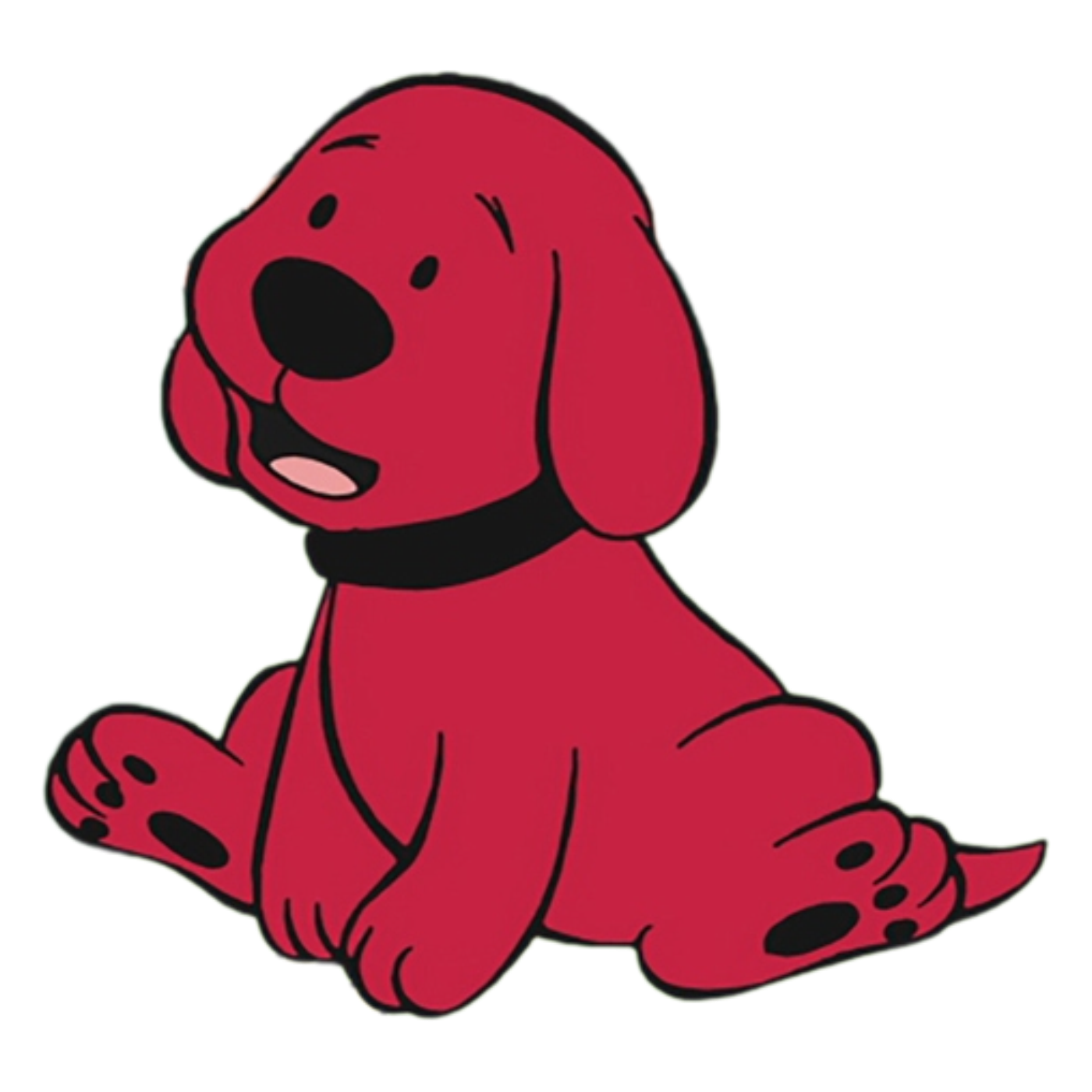
Night Six — Small pets, big holiday problems
Clifford’s Puppy Days — “The Big, Big Present / Hanukkah Plunder Blunder”
Suggested grades K–3 · Honesty, responsibility, sequencing
Where to Watch: Paramount+
This paired episode includes a broken menorah and a gift-opening mistake. The kittens try to repair the menorah, while Zo opens all eight of his presents on the first night. The situations provide openings for discussing what happens after an accident or an impulsive decision. The gift routine belongs to the family in this story, and students can notice how it compares with customs in other selections.
Try this in class. Give students a fictional classroom mishap, such as a torn library book. Have them sequence what happened, whom they should tell, and how they could help make things right.
Ask students. What is the difference between trying to fix a mistake and trying to hide it?
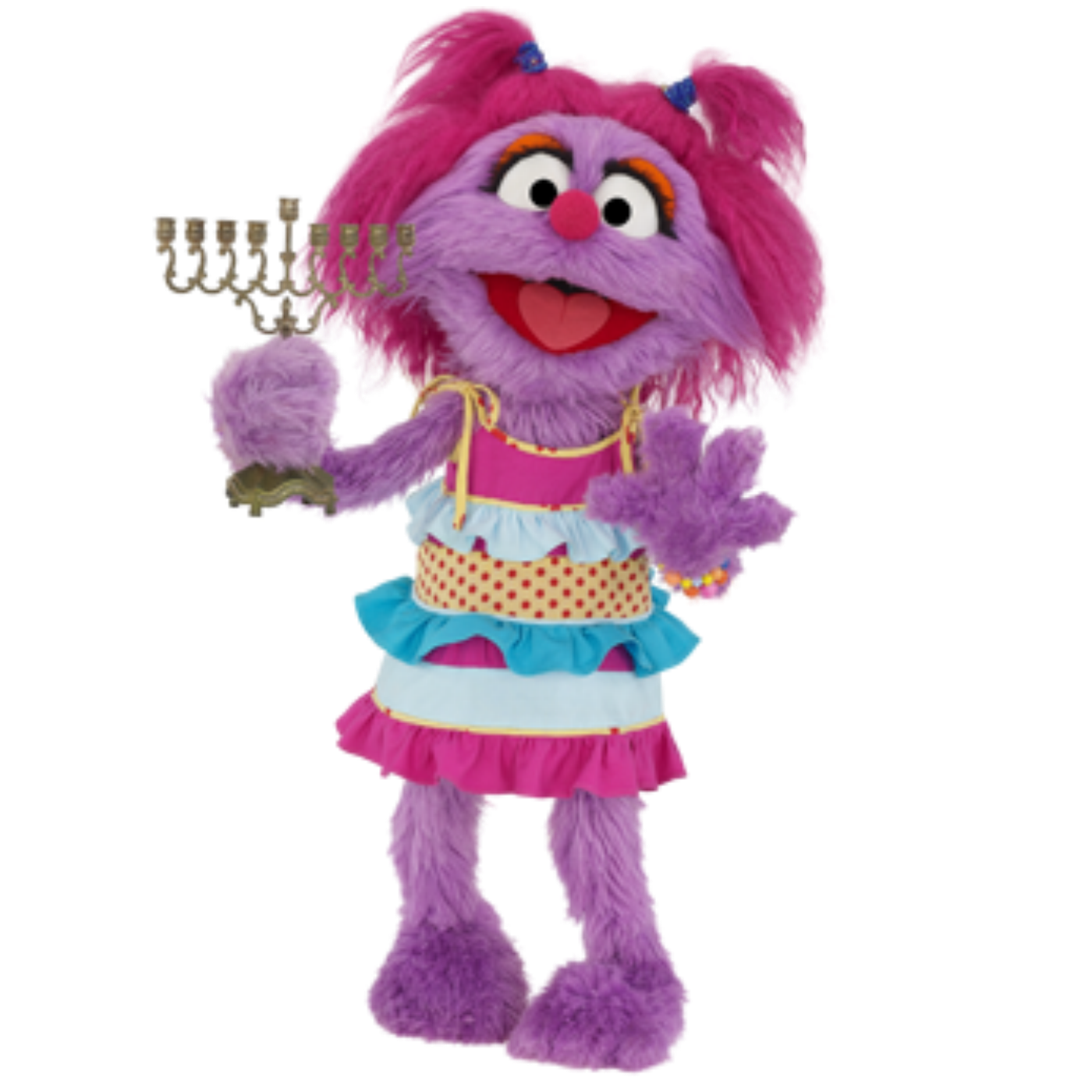
Night Seven — Grover, a chicken, and a missing menorah
Shalom Sesame — “Chanukah: The Missing Menorah”
Suggested grades K–3 · Sequencing, cultural learning, how things are made
Where to Watch: YouTube
Grover is bringing the latkes, but Anneliese loses her special menorah after a game of tag with a chicken. A perfectly ordinary holiday complication, obviously. Alongside the search, the special introduces Hanukkah customs, counting in Hebrew, and how olive oil is made. Those different segments let teachers follow students’ curiosity into language or a simple production process.
Try this in class. After viewing the olive-oil segment, have students create a “first, next, then, finally” diagram showing the process. Revisit the holiday background to discuss why oil appears in this Hanukkah program.
Ask students. How can learning where an everyday material comes from help us understand a tradition?
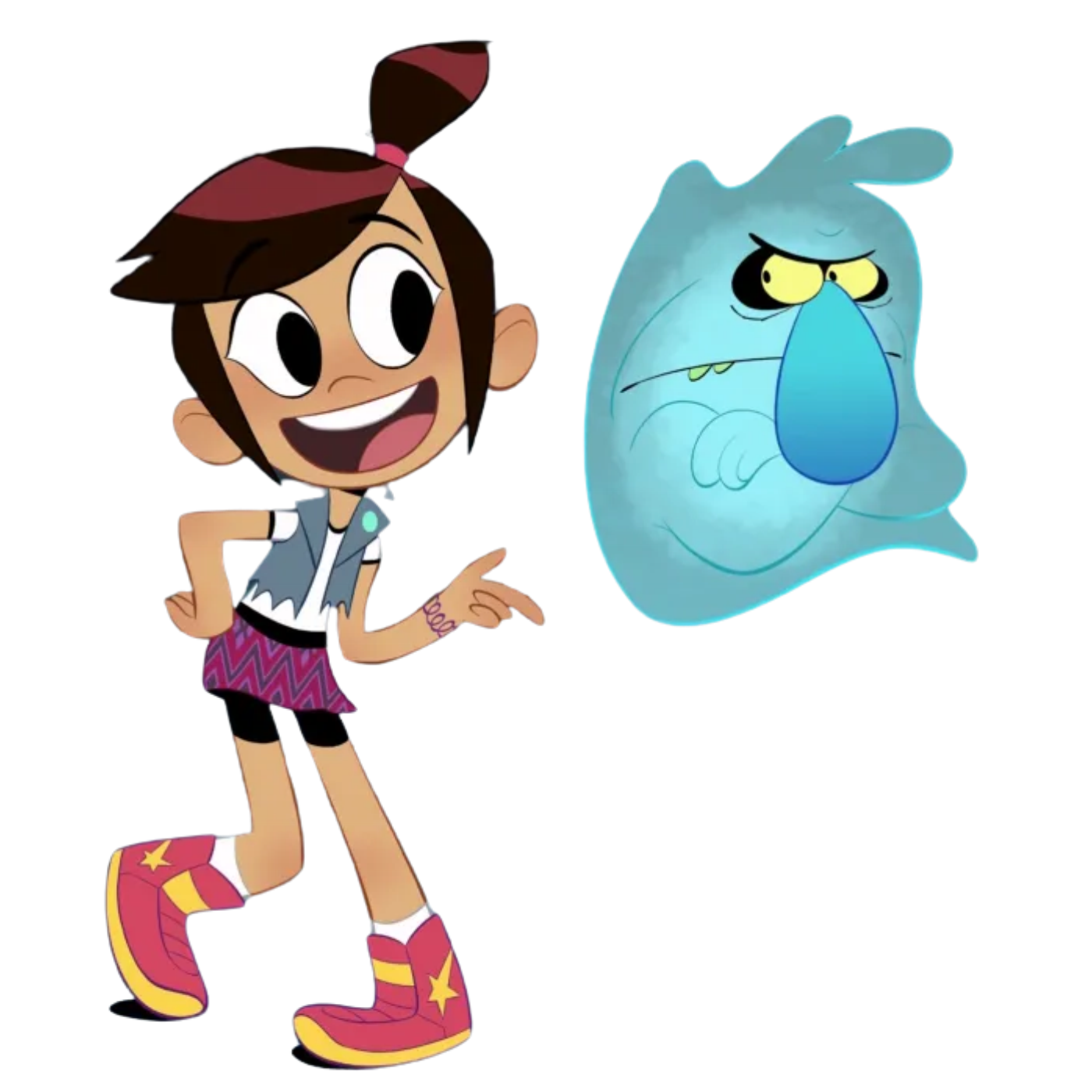
Night Eight — A community keeps the lights on
The Ghost and Molly McGee — “Festival of Lights”
Suggested grades 2–6 · Story structure, community, hospitality
Where to Watch: YouTube
A town-wide blackout brings people together at Libby’s mother’s bookstore. Through eight vignettes, Libby and her mom share Hanukkah with their neighbors. The episode gives older elementary students a chance to examine how several small scenes build one larger story about celebration and community. Look for the “Festival of Lights” segment within the pairing “Festival of Lights / Saving Christmas.”
Try this in class. Explain that a vignette is a short scene focused on a moment. Have students storyboard three small moments that could show a community welcoming someone, using actions and dialogue to reveal the theme.
Ask students. How do the characters’ actions make a place feel welcoming?
Keep the conversation glowing

After viewing two selections, ask students to name something the stories share and something that makes each distinctive. They might compare how music introduces a tradition, how a misunderstanding drives the plot, or how characters welcome a guest.
Have them finish with two sentences, “One thing this story helped me understand is ___” and “One question I still have is ___.” Use those questions to choose the next book, conversation, or source you explore together.
Eight selections give us eight ways into the conversation. The puppy is optional. Curiosity belongs in every lesson.
Jake Perlman is the founder of Teachertainment, blending education, entertainment, and pop culture to turn learning into an unforgettable experience.
