
From the Ballpark to the Big Screen: When Athletes Become Actors

October is a pretty great month to be a sports fan. Baseball has entered the playoffs. Football season is in full swing. Basketball and hockey are getting ready to return. And somewhere, someone is explaining to a coworker why their fantasy team’s 1–3 record is actually very misleading. It’s also the time of year when sports seem to sneak into everything, including the classroom. Kids are wearing jerseys, debating teams and suddenly doing surprisingly complicated mental math to explain how their favorite team can still make the playoffs. All that sports talk got me thinking about what happens after the scoreboard turns off. Because for some athletes, the next stop wasn't coaching, broadcasting or opening a suspiciously expensive steakhouse. It was Hollywood.
What happens when an athlete trades the playing field for a movie set?
Turns out, quite a lot.
From Sports to the Screen
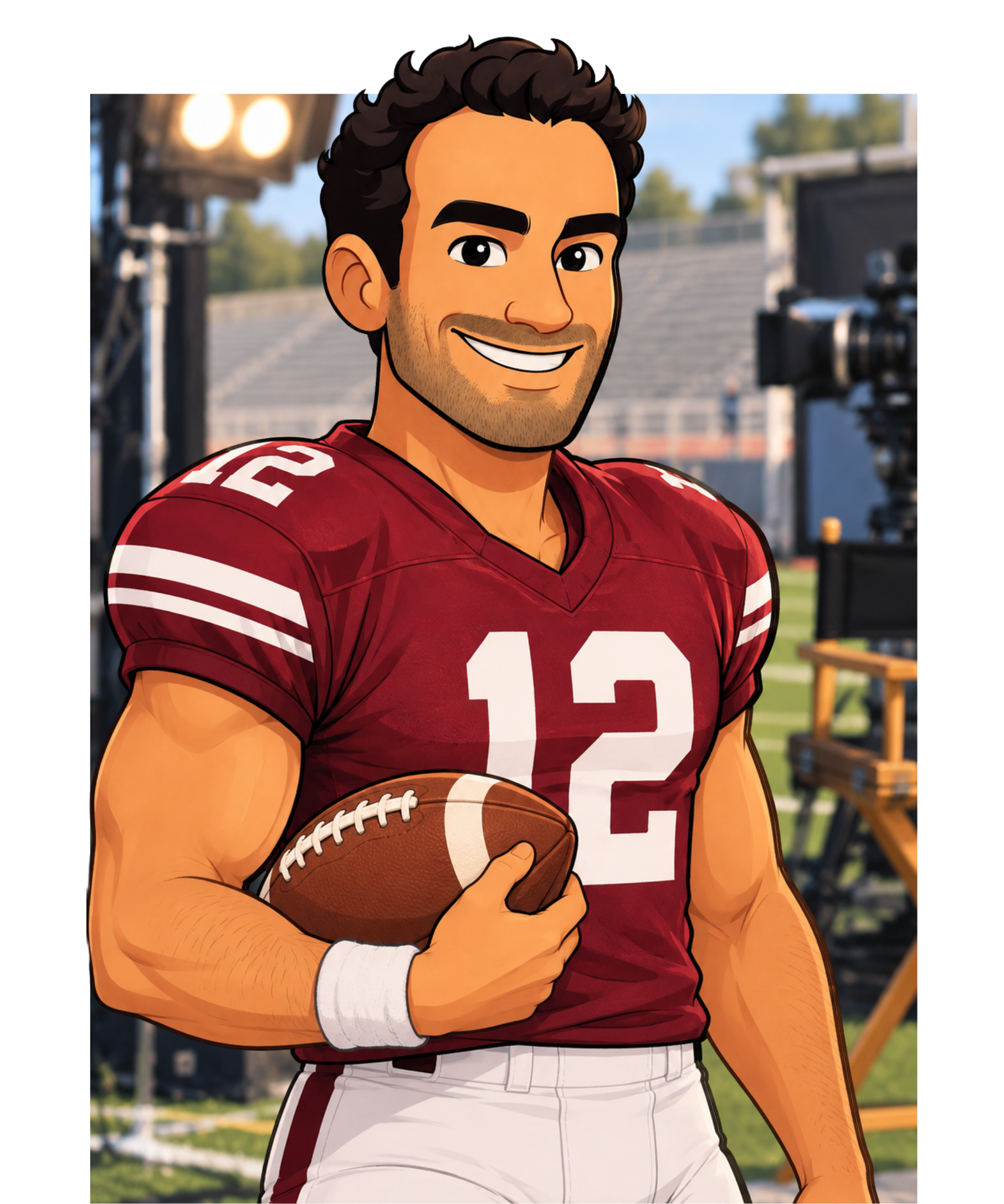
Professional athletes and actors may have more in common than you’d think. Both require preparation, repetition, teamwork, confidence, handling criticism and performing under pressure. One involves memorizing plays. The other involves memorizing lines. And both have directors who occasionally yell. Athletes have been making the jump to Hollywood for generations. Some made memorable cameos. Others built second careers so successful that plenty of people don't even know there was a first one.

Dwayne Johnson
Football → Wrestling → Acting
First Sport: Football at the University of Miami
Next Career: Professional wrestling
WWE Persona: The Rock
Early Leading Role: The Scorpion King
Notable Films: Fast & Furious, Jumanji, Moana
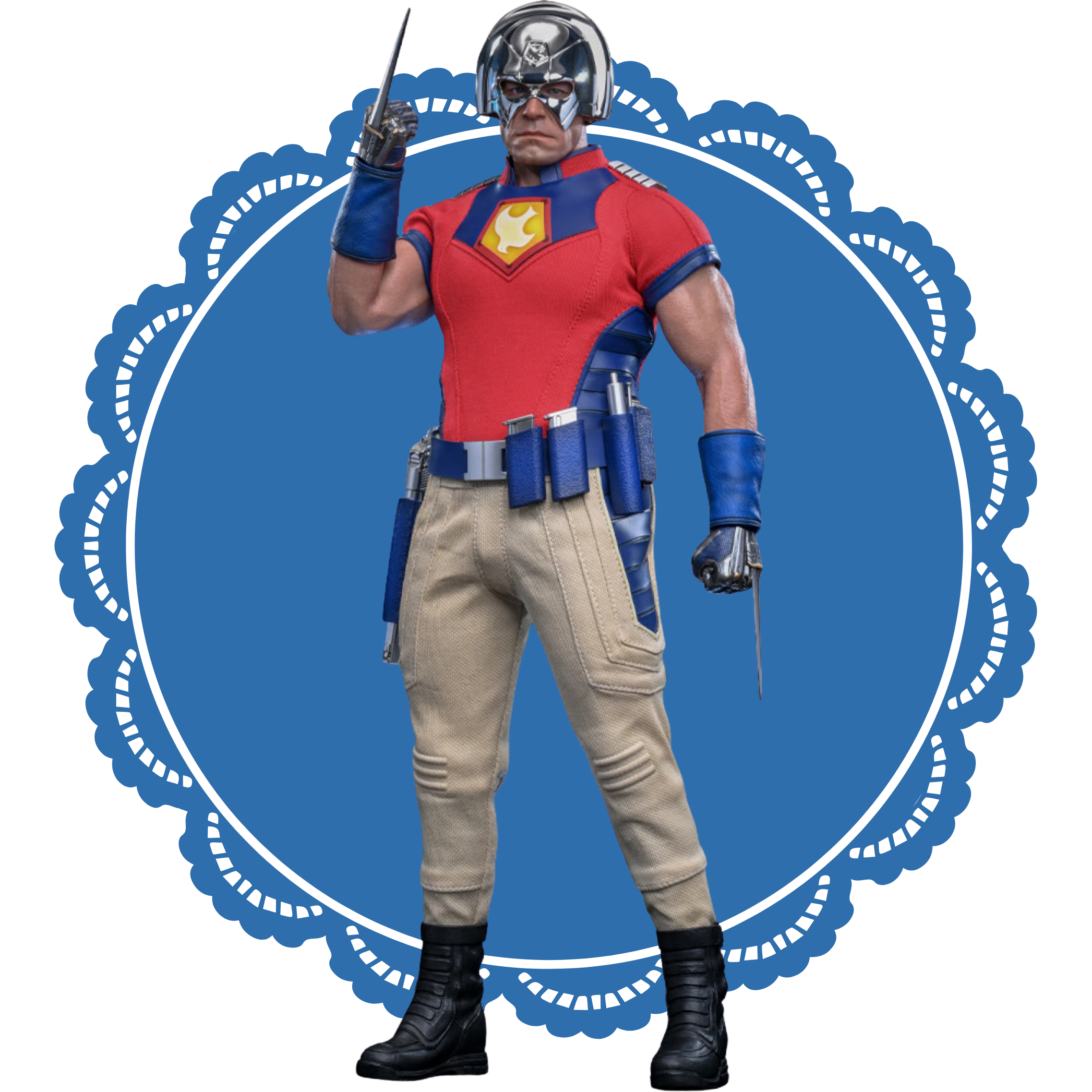
John Cena
Wrestling → Acting
First Career: Professional wrestling
WWE Achievement: 17-time world champion
Retired: 2025
Breakout Films: Trainwreck, Blockers, Bumblebee
Notable Credits: The Suicide Squad, Barbie, Peacemaker

Dave Bautista
Wrestling → Acting
First Career: Professional wrestling
WWE Persona: Batista
WWE Achievement: Six-time world champion
Breakout Role: Drax in Guardians of the Galaxy
Notable Films: Dune, Glass Onion, Blade Runner 2049, Knock at the Cabin
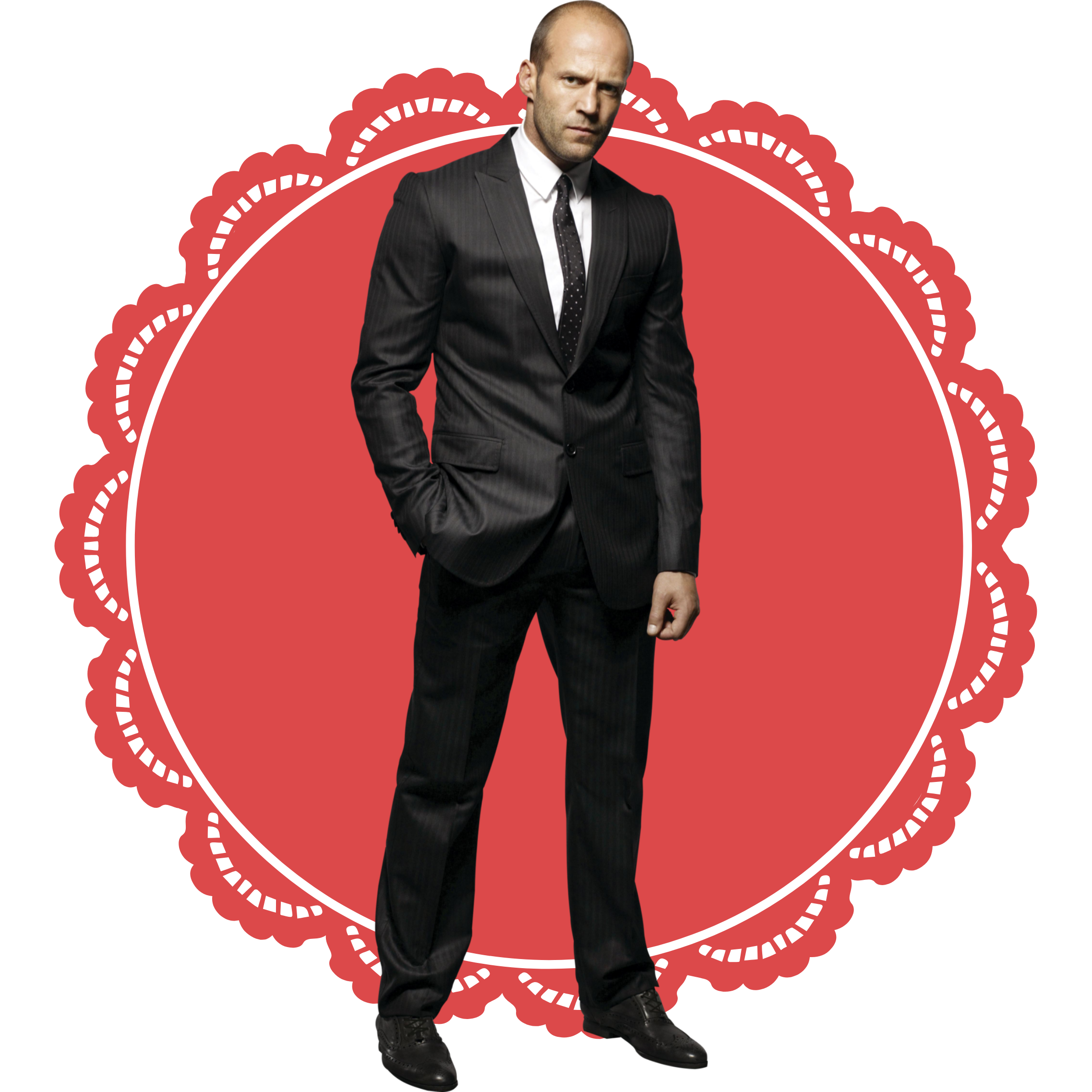
Jason Statham
Diving → Acting
First Sport: Competitive diving
National Team: British diving squad
Major Competition: 1990 Commonwealth Games
Breakout Film: Lock, Stock and Two Smoking Barrels
Notable Films: Snatch, The Transporter, The Expendables, Fast & Furious

Carl Weathers
Football → Acting
First Sport: Professional football
Position: Linebacker
NFL Team: Oakland Raiders
NFL Games: 8
Notable Roles: Rocky, Predator, Happy Gilmore, The Mandalorian

Esther Williams
Swimming → Acting
First Sport: Competitive swimming
Major Achievement: National swimming champion
Olympic Connection: The 1940 Olympics were canceled during World War II
Next Career: MGM movie star
Notable Films: Bathing Beauty, Neptune's Daughter, Million Dollar Mermaid
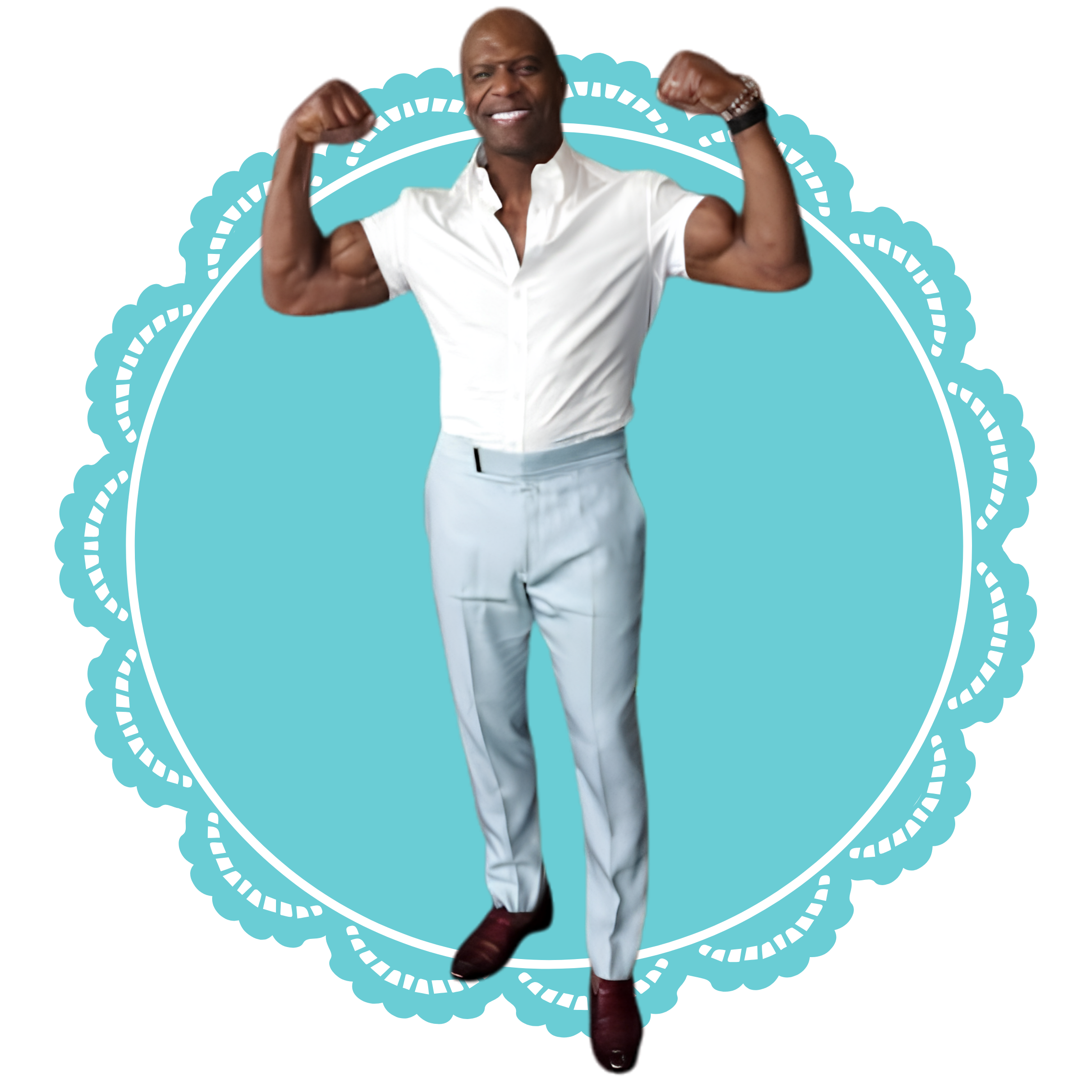
Terry Crews
Football → Acting
First Sport: Professional football
Position: Linebacker
NFL Teams: Rams, Chargers, Washington
NFL Games: 32
Notable Credits: Everybody Hates Chris, White Chicks, Brooklyn Nine-Nine

Ronda Rousey
Judo → MMA/Wrestling → Acting
First Sport: Judo
Olympic Achievement: Bronze medal, 2008 Beijing Olympics
UFC Achievement: First UFC Women's Bantamweight Champion
Next Career: Professional wrestling with WWE
Notable Films: The Expendables 3, Furious 7, Mile 22
Same Skills, Different Stage
Put those career paths together and they look less like résumés and more like someone kept pressing shuffle. But they also make a great lesson about transferable skills.
These athletes didn't leave everything they knew behind when they changed careers. Discipline, teamwork, communication, memorization, perseverance and performing under pressure all came along for the ride. Different career, same muscles. And in several of these cases, very much the same muscles.
Try a Career Plot Twist activity.
Have students choose a career and identify five skills needed to succeed at it. Then throw in the twist: their career has suddenly changed. Where else could those same skills take them? A teacher and an actor both need to hold an audience's attention. A veterinarian and a scientist both need observation skills. An engineer and a baseball manager both use data to make decisions. Instead of only asking kids, "What do you want to be when you grow up?" try asking, "What do you want to get really good at?"
That answer leaves room for a sequel.
Baseball Is Basically Math Wearing a Hat
Baseball practically arrives in the classroom carrying a spreadsheet. Runs. Batting averages. Percentages. Run differential. Series records. Baseball keeps statistics on statistics about its statistics. Younger students can tally runs and create pictographs or bar graphs. Older students can use real player and team statistics to practice mean, median, mode and range.
You could also create a Postseason Prediction Board. Have students predict who will advance, turn the class vote into fractions or percentages and graph the results. Keep updating it throughout the playoffs. When most of the predictions inevitably fall apart, congratulations: you've also taught data analysis, probability and humility.
Rivalry Referees
Of course, October sports don't enter the classroom alone. They bring rivalries with them.
Yankees–Red Sox. Dodgers–Giants. Bears–Packers. Lakers–Celtics. Every sport has them, and some families inherit their team allegiances with roughly the same seriousness as their last name.
Kids bring that energy to school. One student walks in wearing a team hat like they personally hit last night's walk-off homer. Another is prepared to deliver a closing argument explaining why the officials are responsible for everything that has ever gone wrong.
Friendly rivalry can be fun. It creates conversation and community. It can also become a useful mini-lesson in figuring out where teasing ends and being unkind begins.
Turn students into Rivalry Referees. Give them a few post-game comments and let them make the call:
"We won!" → Celebrating
"That was an incredible game." → Good sportsmanship
"We finally beat you!" → Depends on the delivery
"Your team is terrible." → Flag on the play
"HAHA! YOU LOST!" → Enjoy the bench
Then ask one question: How would that comment feel if your team had just lost?
And there it is. You started with baseball and somehow ended up teaching empathy. Sneaky.
Sportsmanship isn't pretending you don't care who wins. It's knowing how to celebrate a win, survive a loss and show up the next day without turning homeroom into ESPN's First Take.
The Final Out Isn't Always the End
There's one last lesson hiding in all of this. Sports are full of things not going according to plan.
You strike out. You lose. You don't make the team. You train for an Olympics that gets canceled, as happened to Esther Williams when the 1940 Games were called off. You discover that professional football isn't going to be your future, as Carl Weathers and Dwayne Johnson did.
Then what?
For these athletes, the answer was something completely different. The original plan changed, but the skills they'd built didn't disappear with it.
That's a useful message for kids. Growing up can make "What do you want to be?" feel like a question they're supposed to answer once and then spend the next 60 years honoring under contractual obligation. They don't.
Interests change. Plans change. New opportunities appear. Point A to Point B occasionally makes an unscheduled stop at Point Q.
So while sports take center stage this October, there are plenty of ways to bring them into the classroom. Find the math hiding in a box score. Turn rivalries into conversations about empathy. Explore the skills athletes carried into completely different careers.
And remind students that changing direction doesn't mean starting over.
Sometimes the final out isn't the end. It's just the beginning of Act Two.
Education that entertains. Entertainment that educates.
Jake Perlman is the founder of Teachertainment, blending education, entertainment, and pop culture to turn learning into an unforgettable experience.
