
Game, Set, Learn!
Bringing the US Open Into the Classroom
Every fall, just as students head back to school, some of the world’s greatest athletes head to New York City for one of tennis’s biggest events: the US Open. The 2026 US Open runs from August 23 through September 13, with the main singles draw beginning August 30, at the USTA Billie Jean King National Tennis Center in Flushing Meadows, Queens. Beyond the serves, rallies and trophies, the tournament offers an easy entry point into science, math, history, geography, technology and social-emotional learning. And with the Teachertainment Science of Tennis Packet, students can investigate the science happening behind every swing.
From 1881 to Today: A Quick US Open History
The tournament dates all the way back to 1881, when the first U.S. National Championships were played in Newport, Rhode Island. It eventually moved to Forest Hills, New York, before arriving at its current home in Flushing Meadows in Queens in 1978.
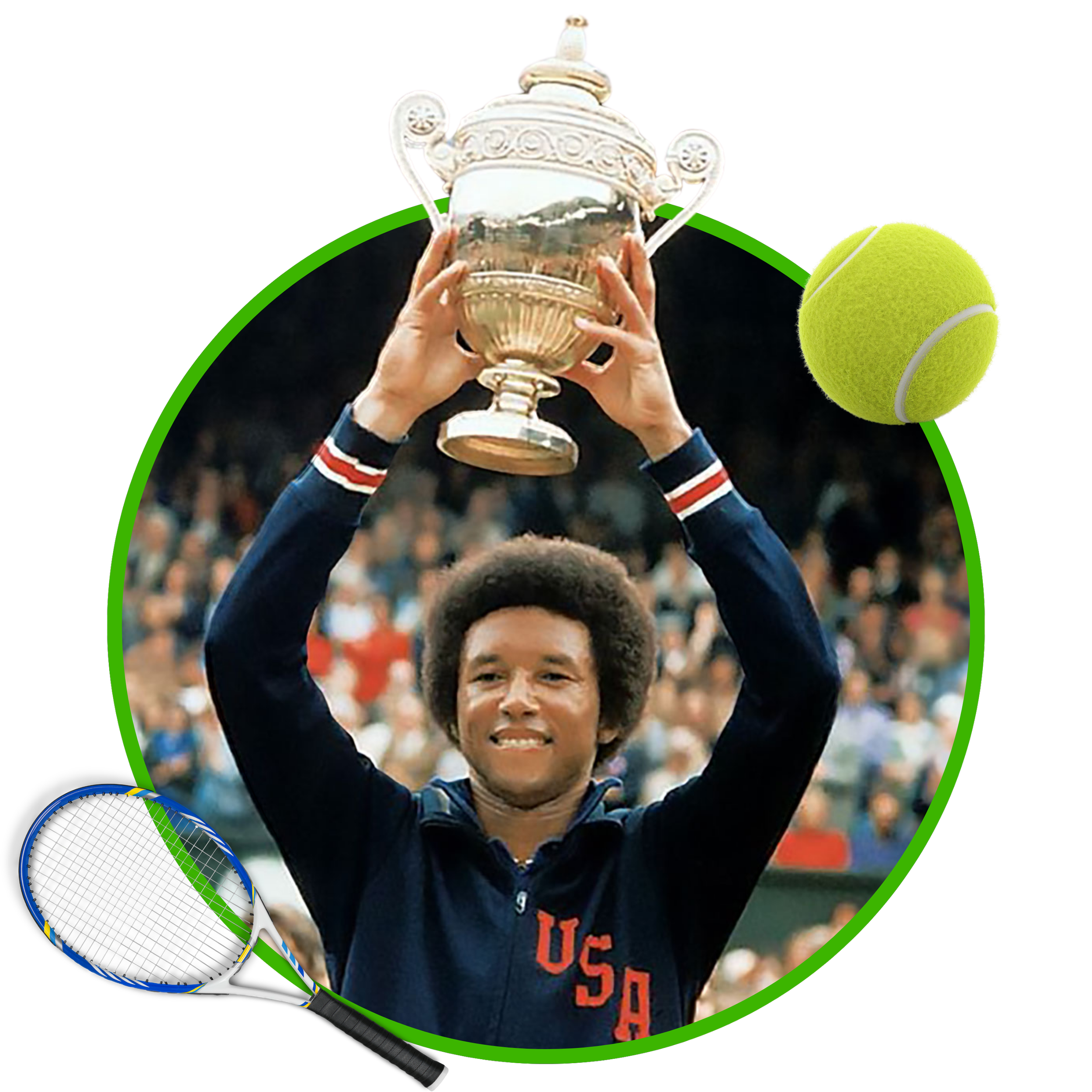
A major turning point came in 1968, when the tournament became the US Open and professionals were permitted to compete alongside amateurs. That year, Arthur Ashe became the first US Open men’s singles champion and the first Black man to win a major singles title. In 1997, the stadium’s court was named in his honor. More on that later.
There’s plenty here for a classroom timeline activity. Ask students to place 1881, 1968, 1978 and today on a timeline and calculate how many years passed between each milestone.
Who to Watch
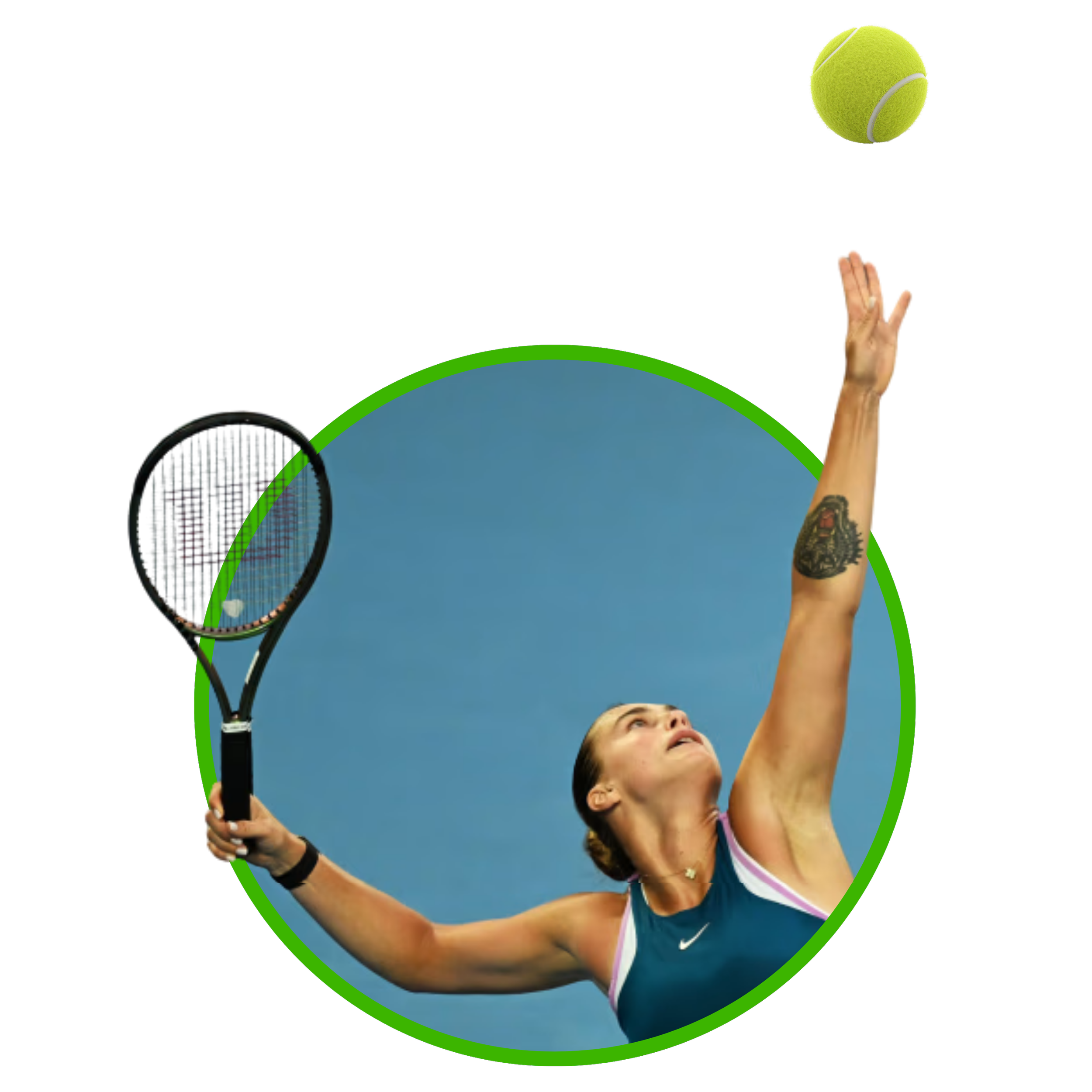
This year’s field comes with plenty of storylines. Aryna Sabalenka returns after winning the women’s title in both 2024 and 2025, giving her a chance at a rare three-peat. She could become the first woman since Serena Williams, who won from 2012 through 2014, to capture three consecutive US Open singles championships.
This is a great opportunity for a classroom discussion on repeating champions: Is winning once evidence that someone is more likely to win again?
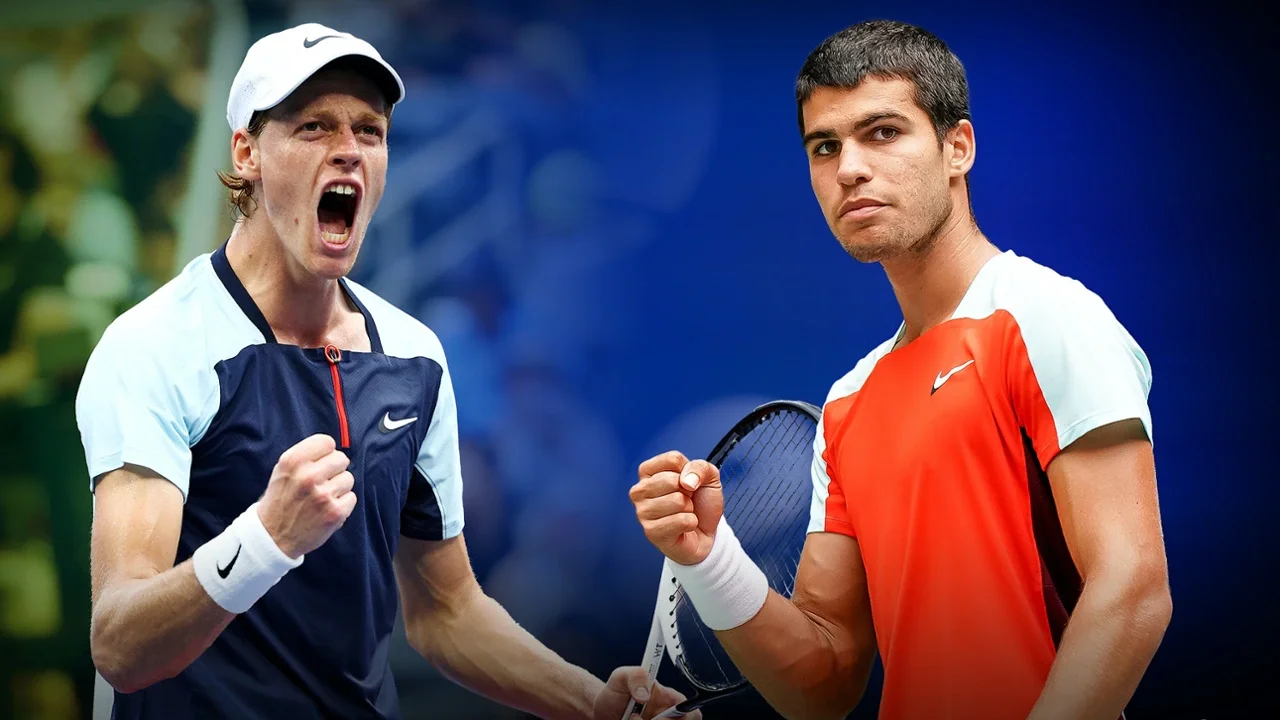
On the men’s side, there is enough potential drama and action to fill a summer blockbuster. Carlos Alcaraz defeated the then defending champion and current world number one player Jannik Sinner in the 2025 US Open final. Their rivalry continues to be one of the defining stories in men's tennis, if they are healthy enough to compete. Both stars have recently withdrawn from the Cincinnati Open, the lead up tournament to New York. Sinner cited a right knee injury, while Alcaraz has been dealing with a wrist injury, putting an unexpected question mark over their US Open return.
That creates a great SEL conversation: What does an athlete do when the smartest decision isn't to compete, but to stop? Students can discuss the difference between perseverance and knowing when to rest, an important distinction in school as well as sports.
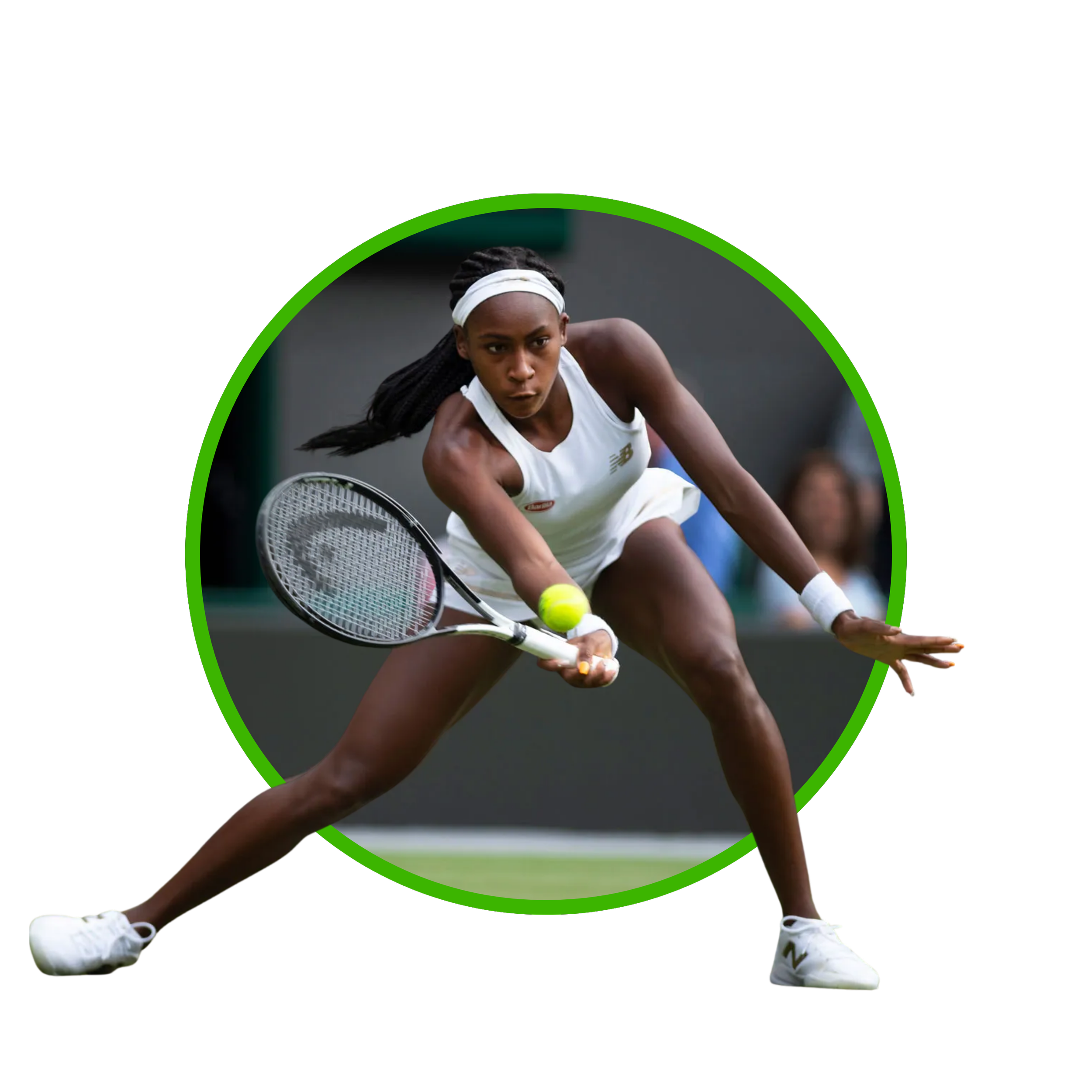
American stars like 2023 champ Coco Gauff, Amanda Anisimova, Iva Jovic, Madison Keys, Jessica Pegula, Taylor Fritz, Learner Tien, Tommy Paul, Ben Shelton, and Frances Tiafoe give students an opportunity to root for a hometown hero.
One simple activity? Have students choose a player and follow their progress. Track countries, match results, sets won, statistics, and advancement through the draw. Suddenly ESPN is homework. Whoops.
What Makes the US Open Different?
The US Open is one of the four Grand Slam tournaments, alongside the Australian Open, Roland Garros (aka the French Open) and Wimbledon in England. But they aren't interchangeable. Each has its own personality, location, traditions and playing conditions:
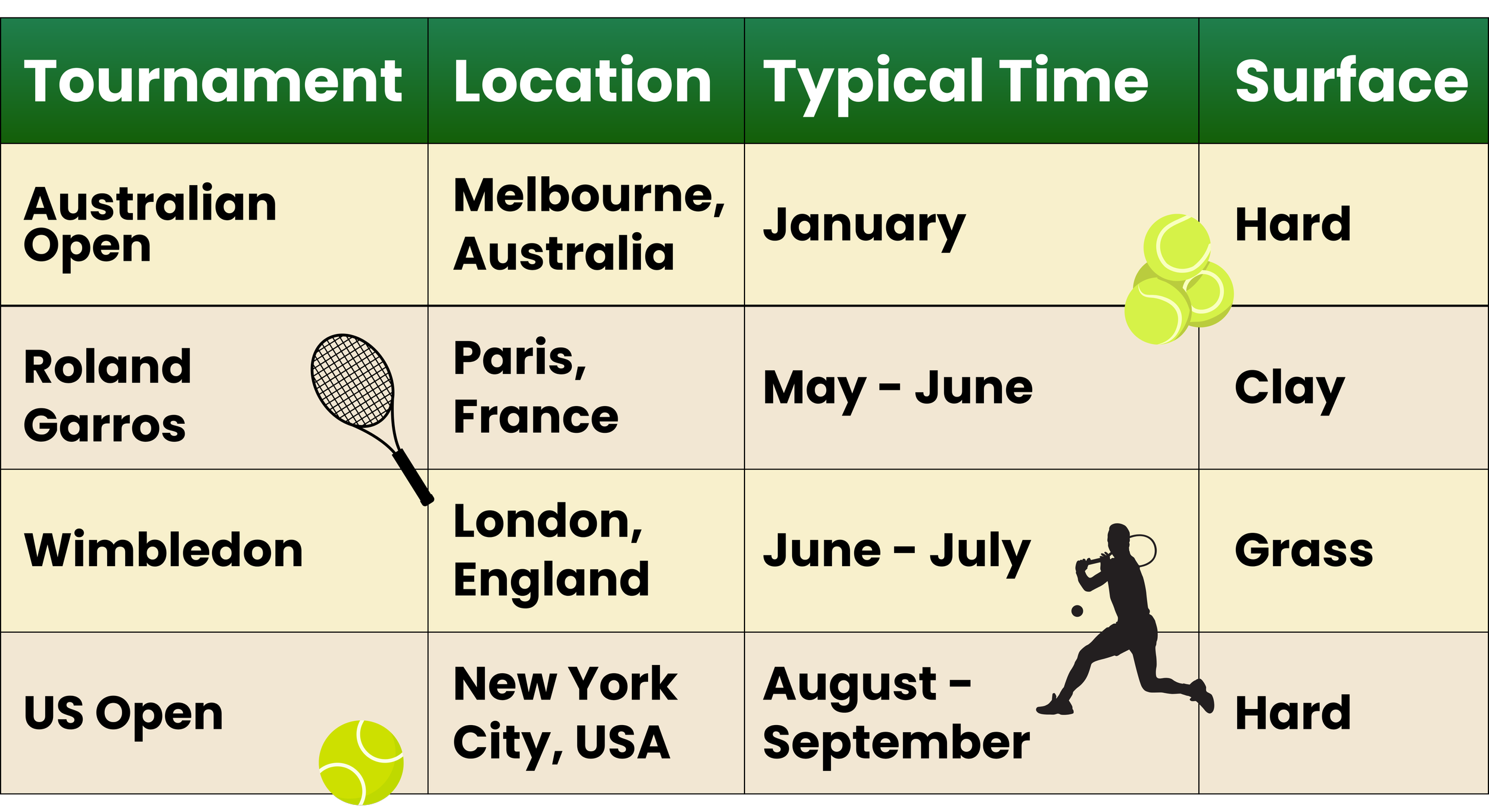
That surface difference is more than cosmetic. Clay generally slows the ball and creates a higher bounce, while grass tends to produce faster play and a lower bounce. Hard courts fall somewhere in between. And there’s a fun piece of trivia hiding here: the US Open is the only Grand Slam that has been played on three different surfaces during its history: grass, clay and hard court. That makes a perfect companion to the Court Surface Comparison in the Teachertainment packet, where students compare how grass, clay and hard courts affect speed and bounce.
Welcome to Arthur Ashe Stadium
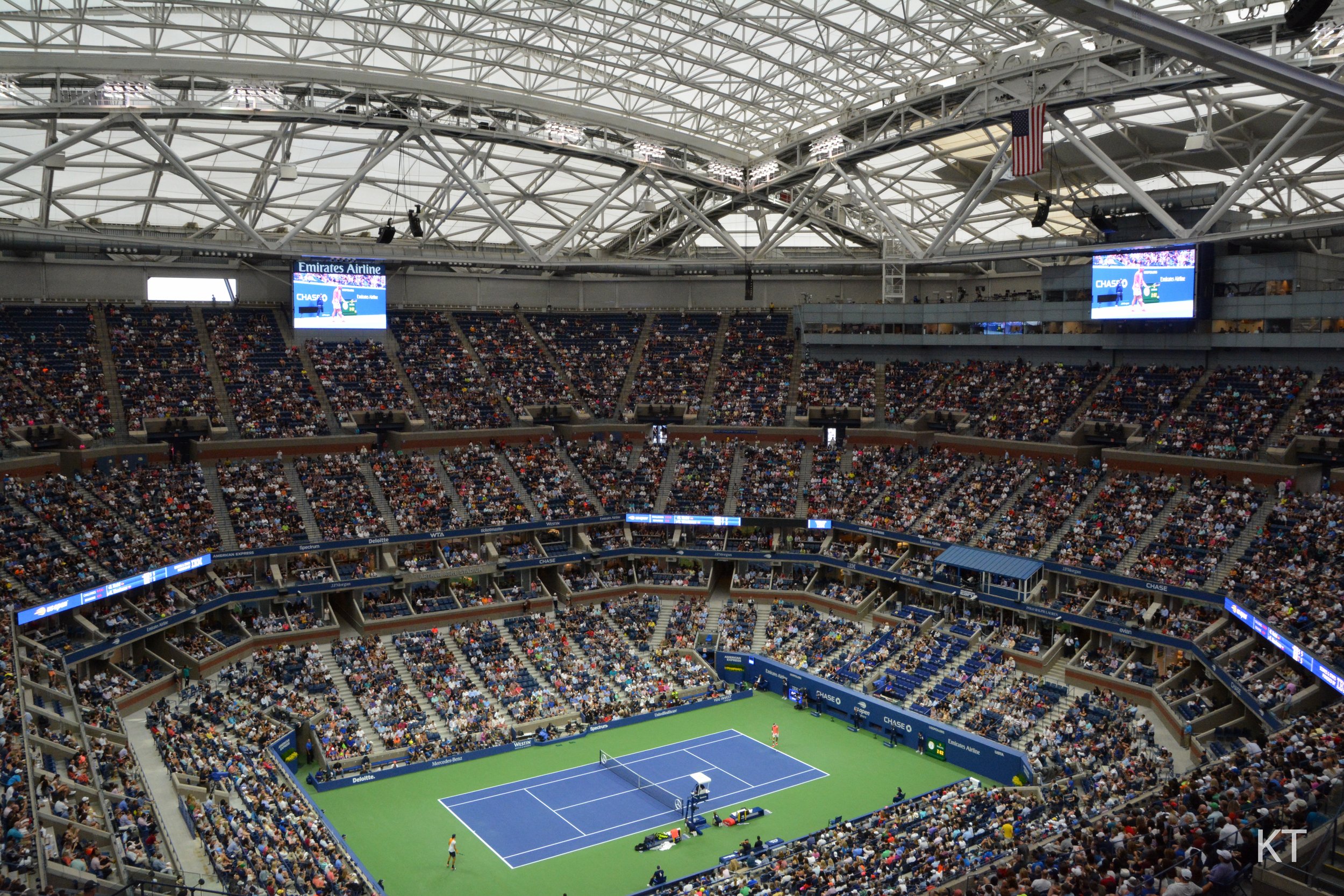
At the center of the US Open is Arthur Ashe Stadium, named for the groundbreaking champion who won the inaugural US Open in 1968. With seating for more than 23,000 spectators, it is the largest tennis stadium in the world. Its retractable roof can close in roughly six and a half minutes, allowing play to continue when New York weather refuses to cooperate.
The stadium itself can become a STEM lesson. Ask students: Why would engineers need to consider weather, weight, sound, visibility and airflow when designing a tennis stadium?
The Science Hiding Inside a Tennis Match
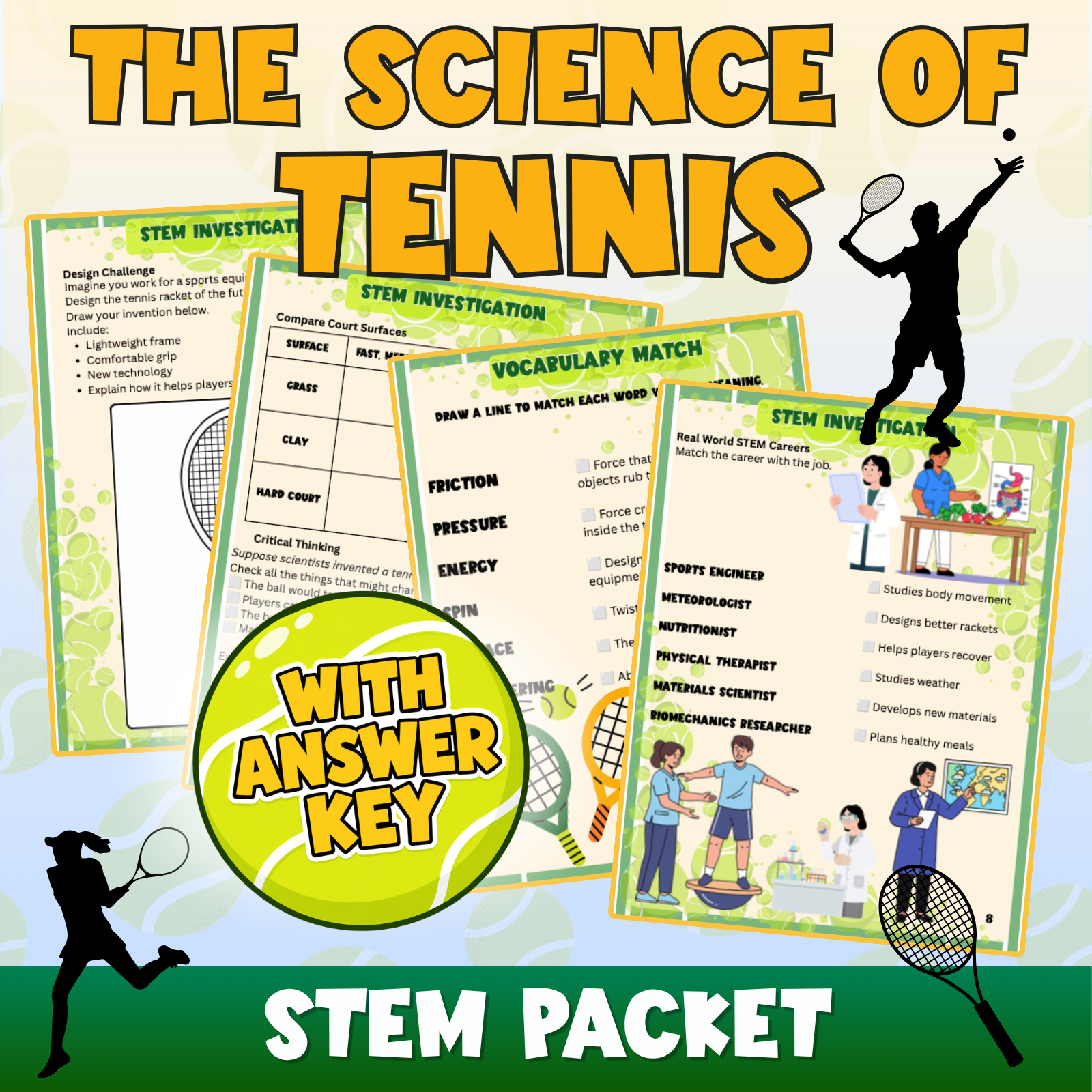
Why are tennis balls fuzzy? Why does topspin make a ball behave differently? Why do players change rackets or string tension? Those questions are at the heart of the Teachertainment Science of Tennis Packet, which explores friction, pressure, energy, spin, court surfaces, equipment design and STEM careers. Students can predict and compare how different balls bounce, investigate different court surfaces and even design a tennis racket of the future. Suddenly watching the US Open isn't a break from science class. It is science class.
Beyond Science
The tournament can travel across the curriculum, too. Students can calculate serving percentages in math, locate players' home countries in geography, research Arthur Ashe, Billie Jean King, or other former players in history, examine electronic line calling in technology, or discuss perseverance, pressure and sportsmanship through SEL. You can even turn your classroom into a miniature US Open press room: assign students players to follow, chart their progress through the tournament and record statistics along the way.
Final Serve
The US Open gives students something textbooks sometimes struggle to provide - learning happening live. Pair the tournament with the Teachertainment Science of Tennis Packet and students can watch a serve, a spinning ball or a dramatic rally and begin asking the most important STEM question of all: Why did that happen?
And once students start asking why, you've got a whole new ball game.
Jake Perlman is the founder of Teachertainment, blending education, entertainment, and pop culture to turn learning into an unforgettable experience.
