
Beep Beep! Learn Learn!
Coyote vs. Acme Is Finally Racing Into Theaters, and Its Journey May Be the Best Lesson of All
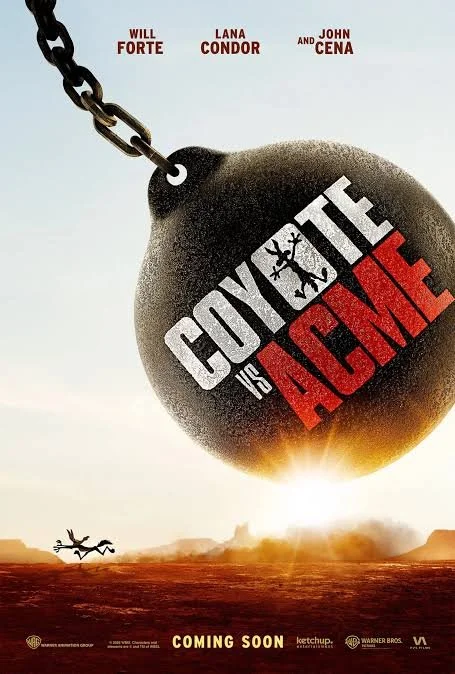
For decades, Wile E. Coyote has been flattened by boulders, launched off cliffs, blown up by dynamite, catapulted through the desert and betrayed by a truly astonishing number of products purchased from the Acme Corporation. And every single time? He gets back up.
So perhaps it's fitting that Wile E. Coyote's newest movie had to do exactly the same thing. Coyote vs. Acme finally races into U.S. theaters on August 28, 2026, after one of the strangest journeys to the screen in recent Hollywood history. And beyond the anvils, rockets and Road Runner's familiar “beep beep,” the story surrounding this movie gives teachers a surprisingly rich opportunity to talk about perseverance, failure, creativity, history, storytelling and even math. Because if there's one character qualified to teach us about trying again, it's Wile E. Coyote.
The Movie That Almost Disappeared
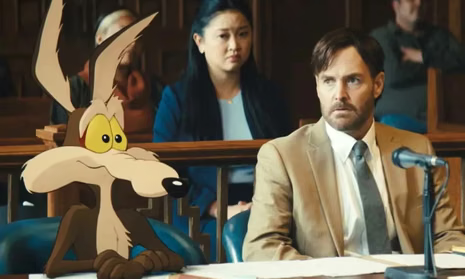
Coyote vs. Acme takes a wonderfully ridiculous Looney Tunes premise and asks a surprisingly logical question: After decades of defective rockets, exploding birdseed, malfunctioning catapults and other catastrophes, shouldn't somebody hold the Acme Corporation responsible? In the new live-action/animation hybrid film directed by Dave Green and starring Will Forte, John Cena, and Lana Condor, Wile E. Coyote finally decides he's had enough. He hires a down-on-his-luck lawyer and takes Acme to court. But the story behind the movie became almost as improbable as something Wile E. might order from a catalog. The film was completed in May 2022, but in 2023 Warner Bros. Discovery announced that it would not release it as part of a cost-saving strategy. The decision sparked an unusually vocal backlash from filmmakers, fans and members of the entertainment industry. For a while, it appeared audiences might never see the finished film. Then something very Wile E. Coyote happened. It survived. Ketchup Entertainment eventually acquired the film and now the once-shelved movie is getting a wide theatrical release across more than 3,000 screens. The parallels are almost too perfect. Wile E. Coyote spends his life pursuing something that continually seems impossible to reach. The filmmakers spent years trying to get their movie in front of an audience. Both kept going. And now, audiences finally get to see what happens when the coyote catches a break.
Failure Isn't Always the End of the Story
Teachers spend a lot of time telling students to persevere.
“Try again.”
“Learn from your mistakes.”
“Don't give up.”
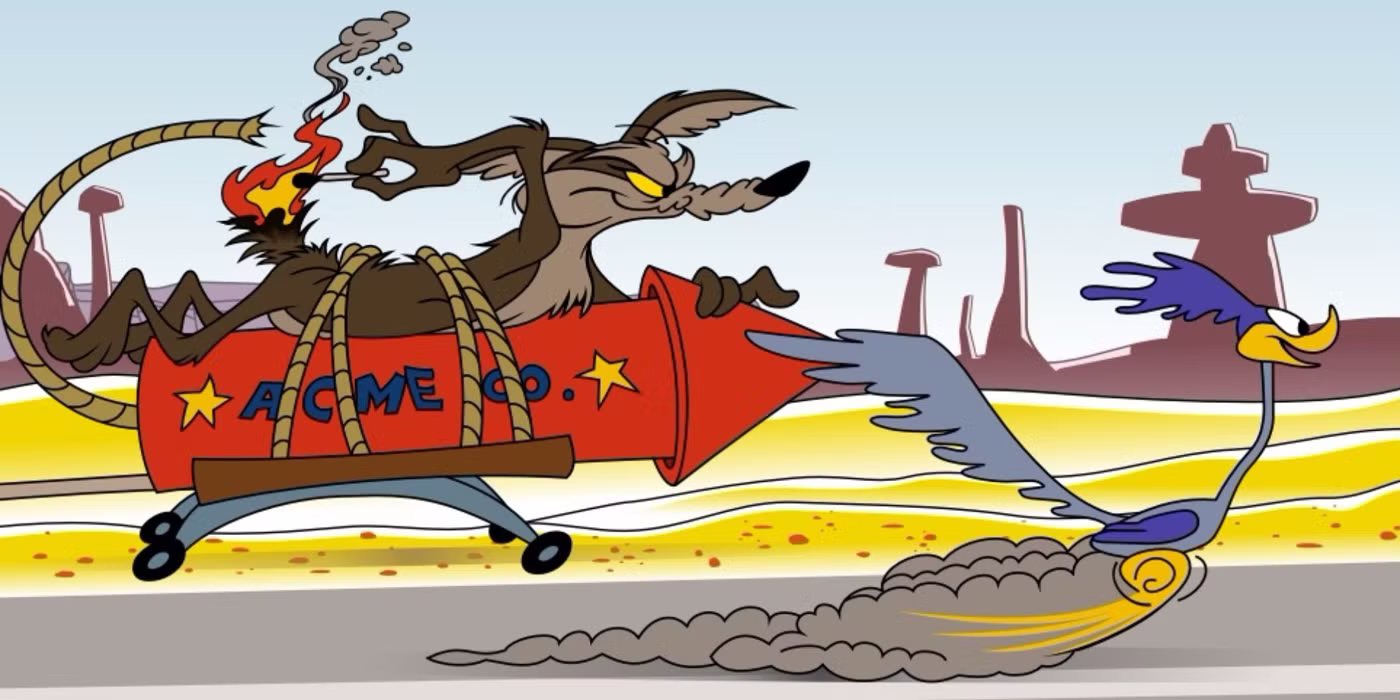
But Wile E. Coyote offers a much more entertaining version of the lesson. This is a character whose plans almost never work. He develops a hypothesis. He builds something. He tests it. It explodes. He observes the results. And then, inexplicably, he orders another package from Acme. Take away the dynamite and he's practically using the engineering design process. Coyote vs. Acme makes the lesson even more interesting because the movie itself faced failure. A completed creative project was effectively told, “No. This isn't going any further.” And yet that wasn't the end. That gives teachers an opportunity to distinguish between failure and finality. A failed attempt doesn't necessarily mean the idea was bad. A rejection doesn't necessarily mean you should stop. Something not working yet doesn't mean it never will. Perseverance also doesn't mean blindly repeating the exact same strategy. Real perseverance means evaluating what happened, adjusting the plan and trying a different approach. Wile E. might want to write that last part down.
Try asking students:
What's something you couldn't do the first time you tried it?
How can failure give us useful information?
What's the difference between perseverance and simply repeating the same mistake?
When should you change your strategy?
How might Coyote vs. Acme itself be an example of perseverance?
Why do you think people fought for a movie they didn't personally create?
For older students, there's another fascinating discussion hiding underneath the cartoon smoke clouds: Who gets to decide whether creative work has value?
That can open conversations about art, commerce, ownership and why audiences sometimes develop meaningful connections to stories and characters.
Before Acme: A Quick History of Looney Tunes
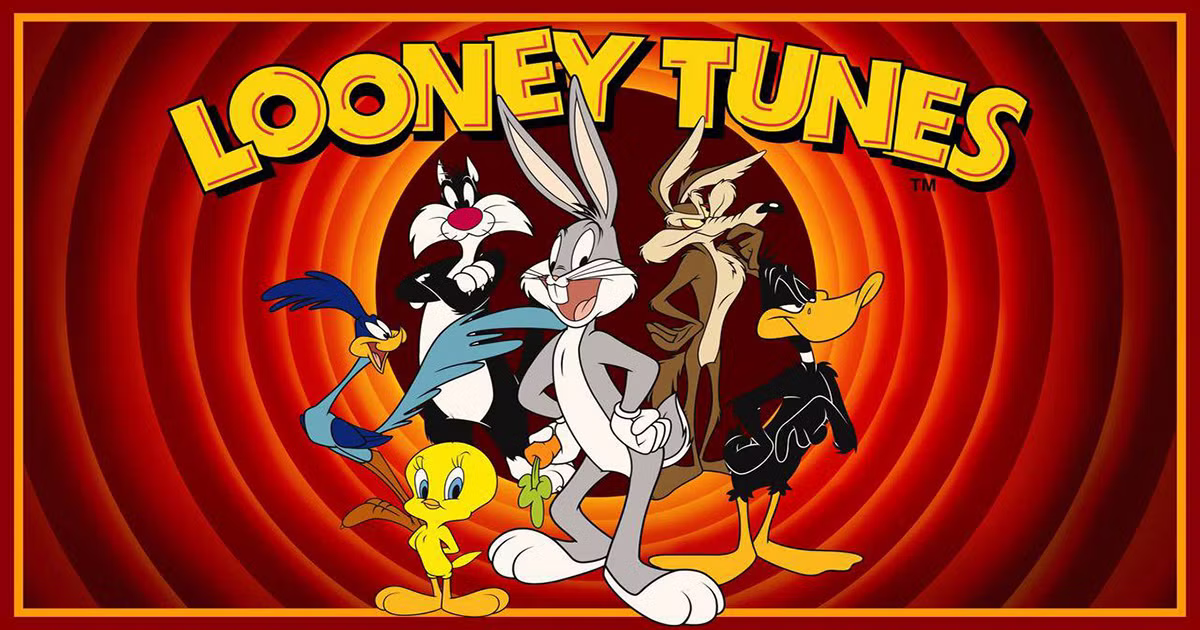
Today's students may know Bugs Bunny, Daffy Duck, Tweety, Porky Pig, Road Runner and Wile E. Coyote as eternal cartoon characters. But Looney Tunes has been making audiences laugh for nearly a century. The first official Looney Tunes theatrical short, “Sinkin' in the Bathtub,” starring a character named Bosko, was released in 1930. The related Merrie Melodies series followed in 1931. The cartoons were initially connected to Warner Bros.' music holdings, which helps explain musical names like Looney Tunes and Merrie Melodies. Then came the characters generations would actually remember.
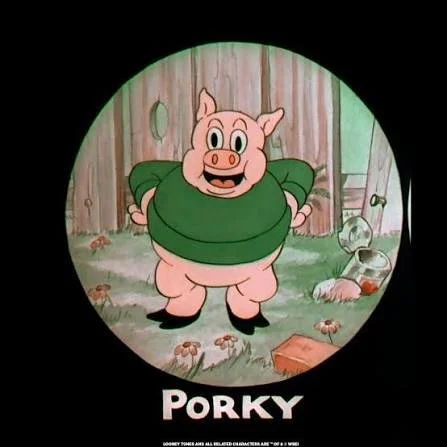
Porky Pig emerged as the studio's first major recurring star after appearing in I Haven't Got a Hat in 1935. The definitive version of Bugs Bunny arrived in Tex Avery's A Wild Hare in 1940 and became one of animation's most recognizable characters. And then there was Wile E. Animator and director Chuck Jones introduced Wile E. Coyote and the Road Runner into a cartoon universe governed by its own peculiar laws of physics. Gravity can apparently wait until you notice there's no ground beneath you. Painted tunnels occasionally become real. Dynamite is readily available through the mail. And no matter how sophisticated the contraption, the Road Runner remains maddeningly unbothered.
That exaggerated world is exactly what makes Looney Tunes such fertile territory for education.
Turn the Chase Into a Math Lesson
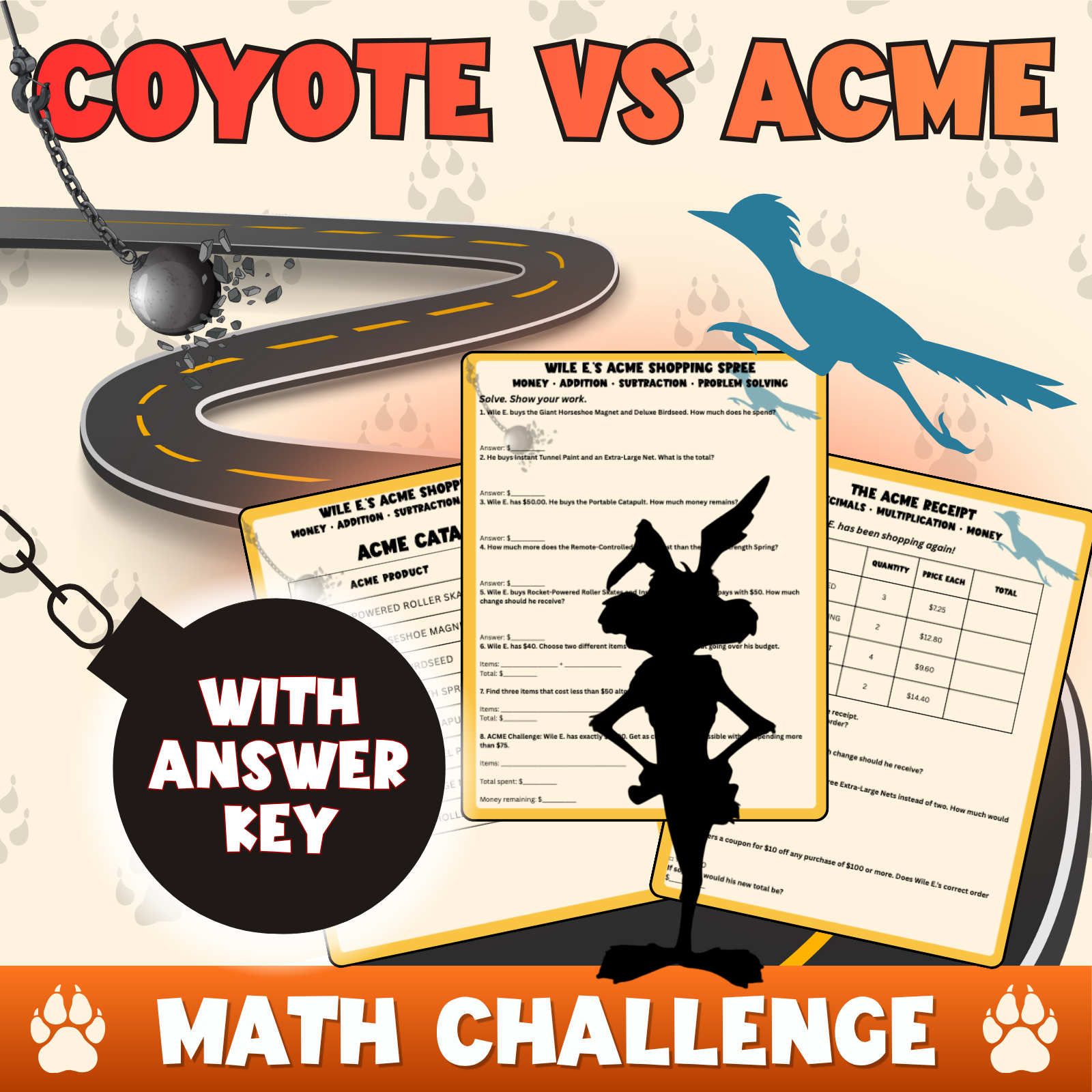
Of course, Wile E. Coyote's relationship with the Acme Corporation also creates one irresistible classroom question: What happens when we actually crunch the numbers behind all those rockets, catapults, birdseed orders and spectacularly bad purchasing decisions? That's the idea behind Teachertainment's Acme Math Challenge, a companion packet designed primarily for Grades 3-5. Instead of giving students a page of disconnected equations, the activities turn Wile E.'s latest schemes into practical math problems. Students shop from an Acme catalog and stay within a budget, calculate a receipt and change, solve rocket-powered multi-step word problems, compare Road Runner's desert routes, choose and convert measurement units, calculate the area and perimeter of rectangular traps, and work with equivalent and comparative fractions.
The packet is deliberately flexible across upper elementary grades. Grade 3 students can focus on whole-number operations, word problems, area, perimeter and introductory fractions. Grade 4 students can dig further into multi-step reasoning, measurement conversions and fraction equivalence. Grade 5 students can take on the decimal-heavy shopping and receipt challenges. A Teacher Guide identifies the strongest grade fit and Common Core alignment for each activity, making it easy to use the packet as a full lesson, a center, review work, enrichment, or a movie-week tie-in.
Teacher Tip: Don't feel like you have to use every page. Pick the Acme disaster that matches the skill your class is practicing, then ask students to show their work and explain how they know their answer makes sense. Wile E. may ignore evidence, but your students don't have to.
That's Not All, Folks
There's something wonderfully appropriate about Coyote vs. Acme finally reaching theaters. For nearly a century, Looney Tunes characters have been squashed, stretched, exploded, flattened and launched into the stratosphere, only to reappear seconds later ready for another gag. And few characters embody that resilience better than Wile E. Coyote. He fails. Spectacularly. Repeatedly. Sometimes painfully. But he keeps creating. He keeps experimenting. He keeps chasing. And now the movie bearing his name has its own story about refusing to disappear. That's a lesson worth bringing into the classroom.
Sometimes your rocket explodes.
Sometimes the tunnel you painted on the mountain doesn't work.
Sometimes a giant anvil inexplicably falls directly onto your head.
Okay, hopefully that last one stays metaphorical.
But learning isn't about getting everything right on the first try. It's about becoming curious enough, creative enough and resilient enough to figure out what you'll try next.
And if Wile E. Coyote can get another chance after nearly a century of Acme-related catastrophes?
Maybe our students can give themselves another chance, too.
Jake Perlman is the founder of Teachertainment, blending education, entertainment, and pop culture to turn learning into an unforgettable experience.
