
Parents: The Original Executive Producers
What TV and Movies Teach Us About Parenting
Before children have teachers, coaches, favorite YouTubers, or a suspiciously passionate opinion about which Bluey episode is the best, they have parents and caregivers. Parents are our first teachers, first cheerleaders, first chauffeurs, first short-order cooks, and often the first people forced to answer questions like, “Why is the moon following our car?” while trying to merge onto the freeway.
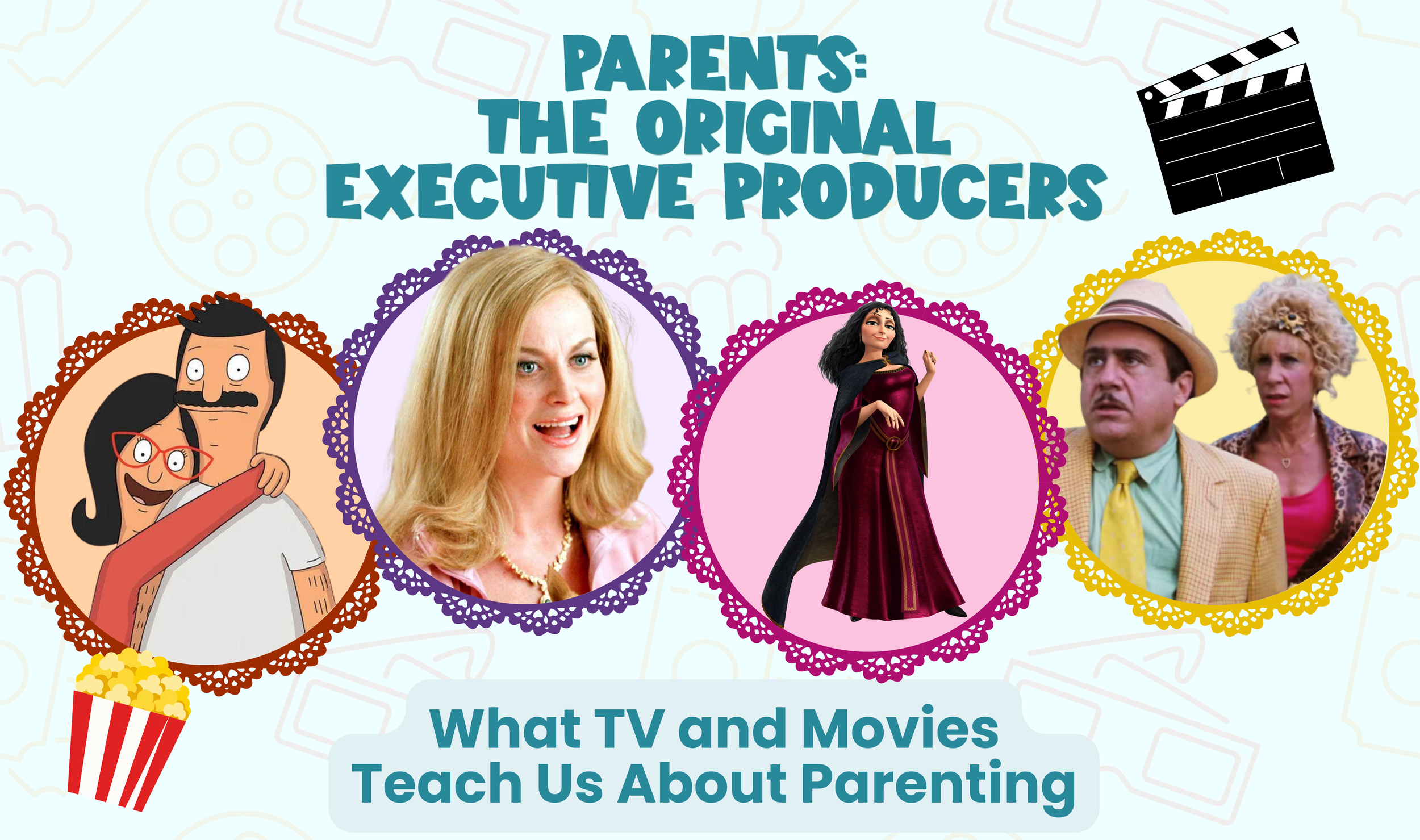
In honor of National Parents’ Day on July 26, Teachertainment is celebrating the complicated, chaotic, hilarious, and enormously important role parents play in children’s lives. And because pop culture has given us everything from Bob Belcher to Mother Gothel, we have plenty of examples of what to do...
...and what absolutely not to do.
The Parenting Hall of Fame
Some of the best fictional parents are not perfect. In fact, perfection would make for terrible television. The parents who resonate most are usually the ones who make mistakes, apologize, adapt, and keep showing up.
Bandit and Chilli Heeler, Bluey

Perhaps the current gold standard of fictional parenting, Bandit and Chilli play with their children, encourage imagination, and turn everyday moments into opportunities for learning. But importantly, they are not presented as endlessly patient parenting robots. They get tired. They make mistakes. They need breaks.
The lesson: Being present does not mean being perfect.
Bob and Linda Belcher, Bob’s Burgers
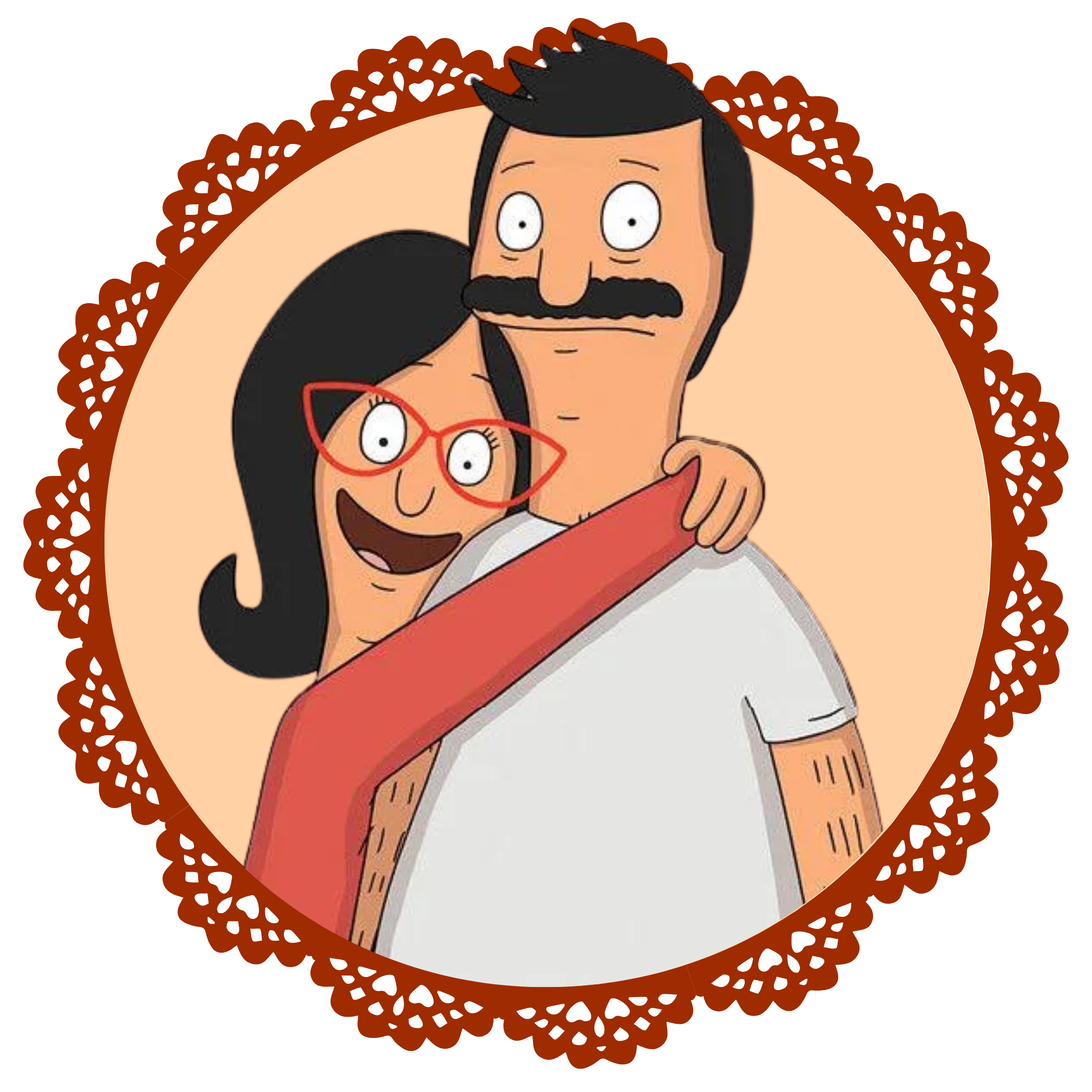
The Belchers are chaotic. Their business is perpetually one broken refrigerator away from disaster. Their children are... distinctive. And yet Bob and Linda consistently allow Tina, Gene, and Louise to be unapologetically themselves.
The lesson: Children do not need to become miniature versions of their parents.
Marlin, Finding Nemo
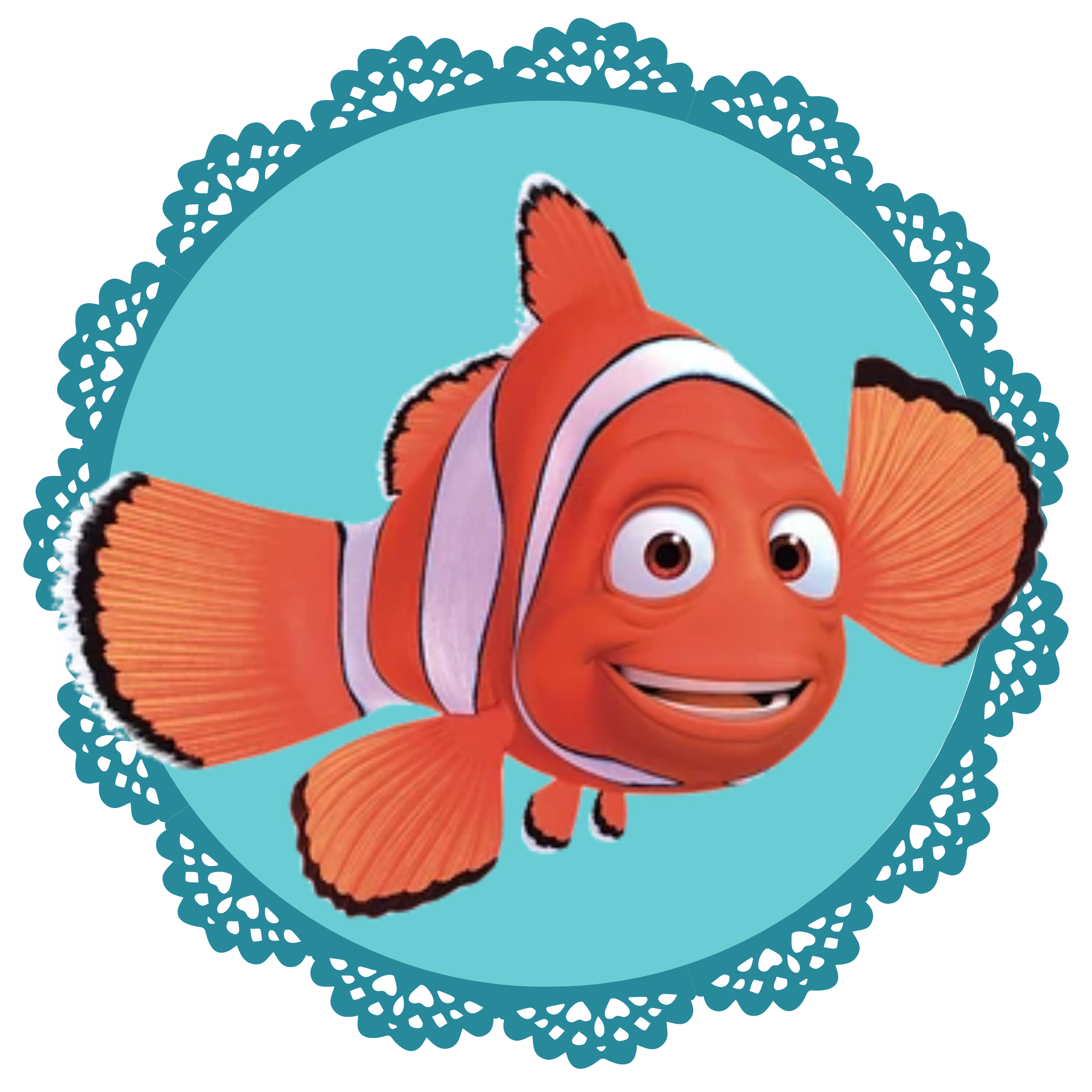
Marlin begins the movie as the aquatic king of helicopter parenting. His fear is understandable, but his desire to protect Nemo eventually prevents his son from developing independence. Over the course of the movie, Marlin learns that loving a child also means allowing that child to take risks.
The lesson: Protection and independence must learn to swim together.
Mrs. George, Mean Girls

Is she a good parent? Debatable.
Is she a regular mom? Absolutely not.
Mrs. George is a hilarious reminder that trying too hard to be your child’s best friend can make boundaries disappear faster than a Kalteen bar.
The lesson: Children need warmth and connection, but they also need parents willing to be parents, not just friends.
The Madrigal Family, Encanto
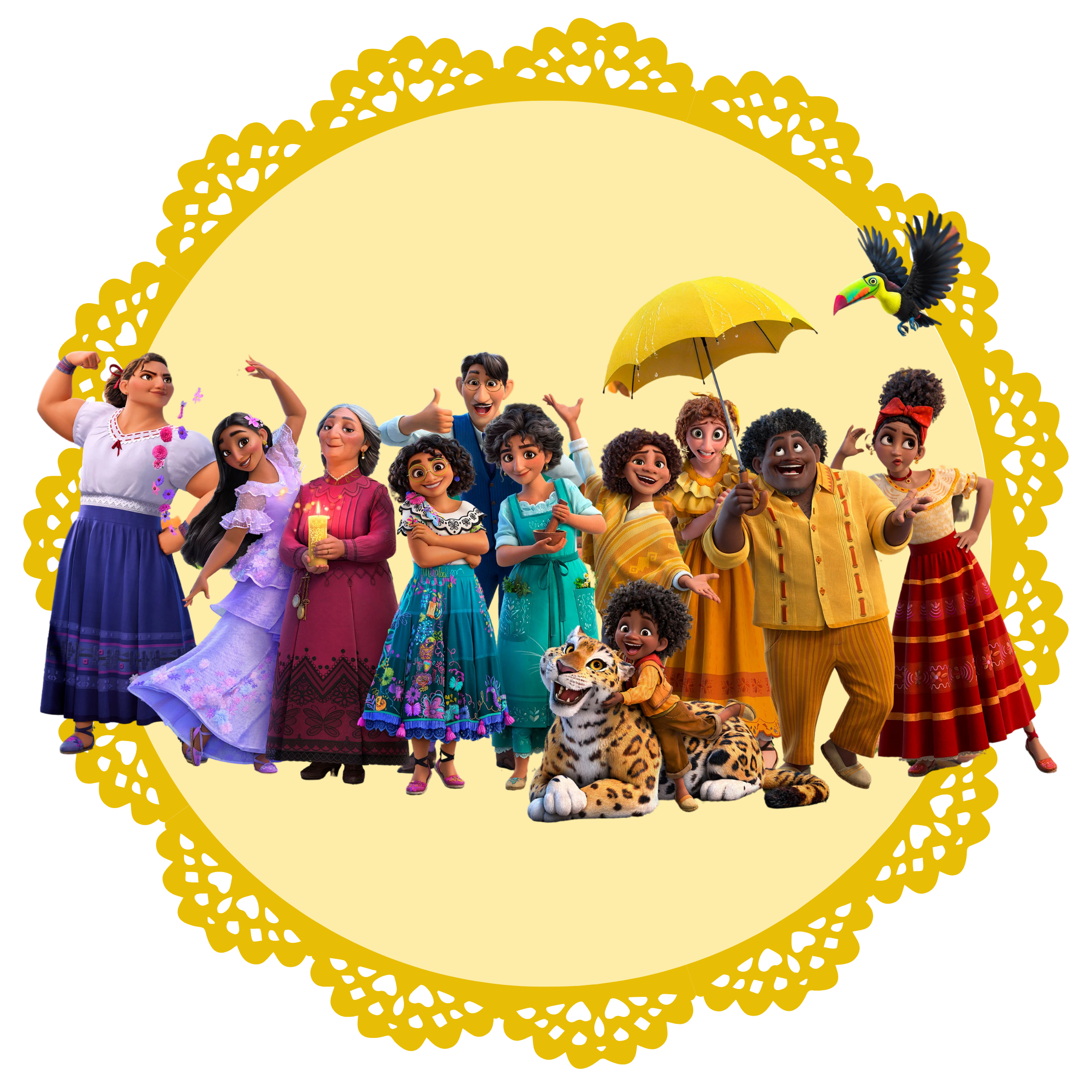
Encanto offers one of the richest family conversations in recent animation. Abuela loves her family deeply, but her fear and expectations create enormous pressure. Mirabel ultimately helps the family understand that their worth is not determined by their gifts or accomplishments.
The lesson: Sometimes family patterns need to be examined before they can be changed.
The Fictional Parenting Hall of Yikes
Some movie and television parents are useful educational tools precisely because they are spectacular examples of what not to do.
The Dursleys, Harry Potter
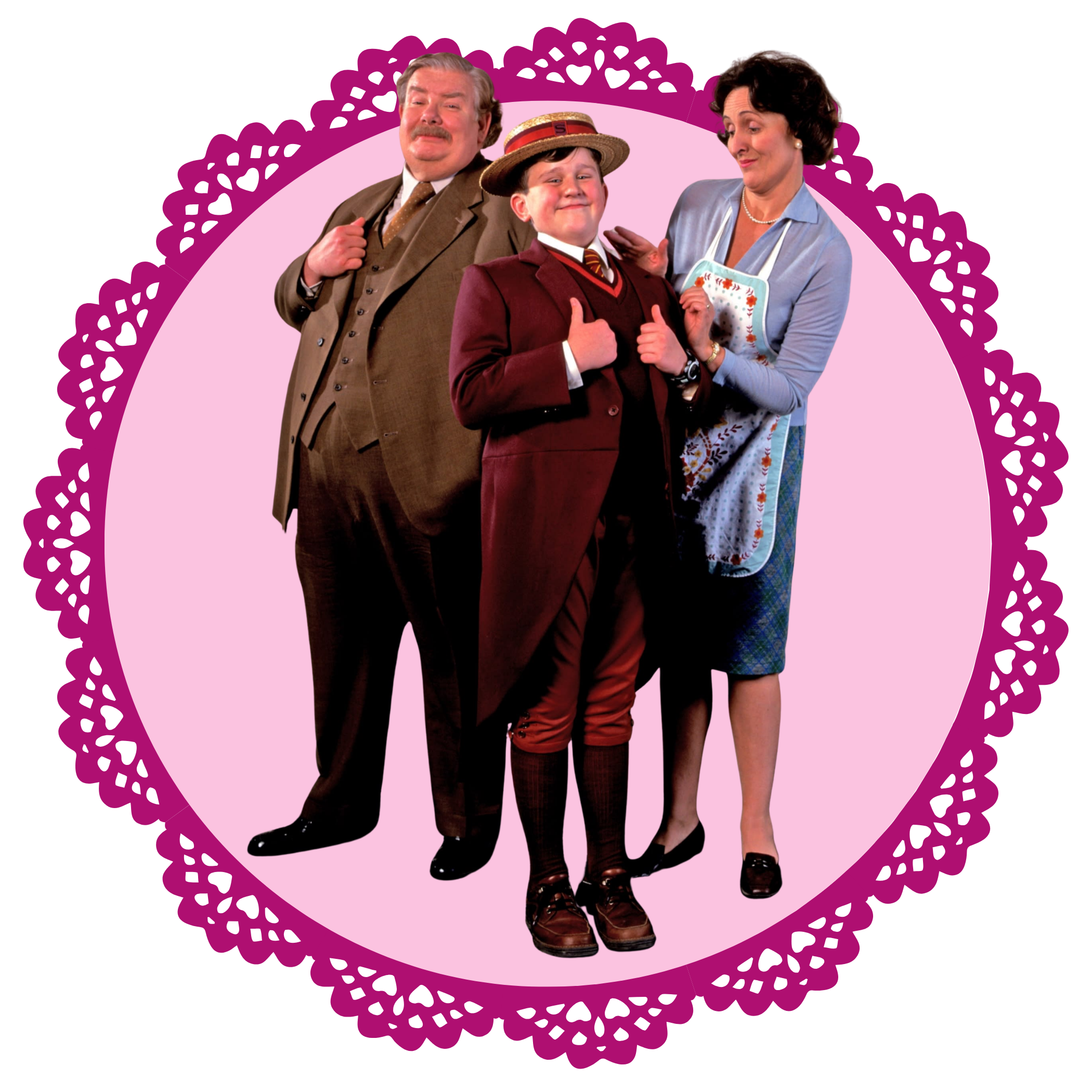
Favoritism? Check. Emotional cruelty? Check. A bedroom under the stairs? It doesn’t take a wizard to know what unfit parents The Dursley are.
The lesson: Children notice when expectations, affection, and consequences are not applied fairly.
Mother Gothel, Tangled
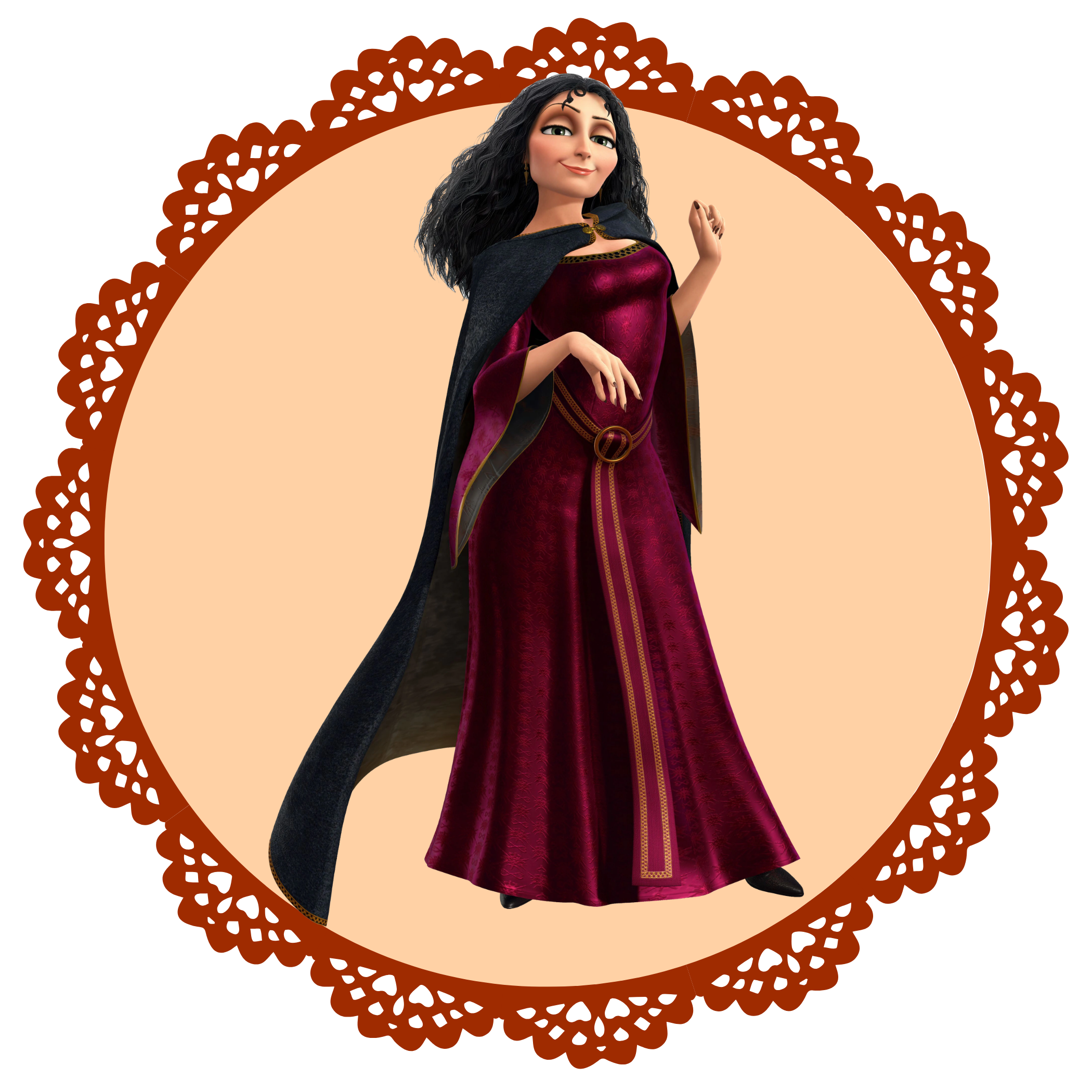
Sure, she can sing, but she disguises control as protection and criticism as concern. Mothers may know a lot, but they don’t always know what’s best.
The lesson: Supporting children means helping them develop confidence and independence, not making them dependent on your approval.
The Wormwoods , Matilda
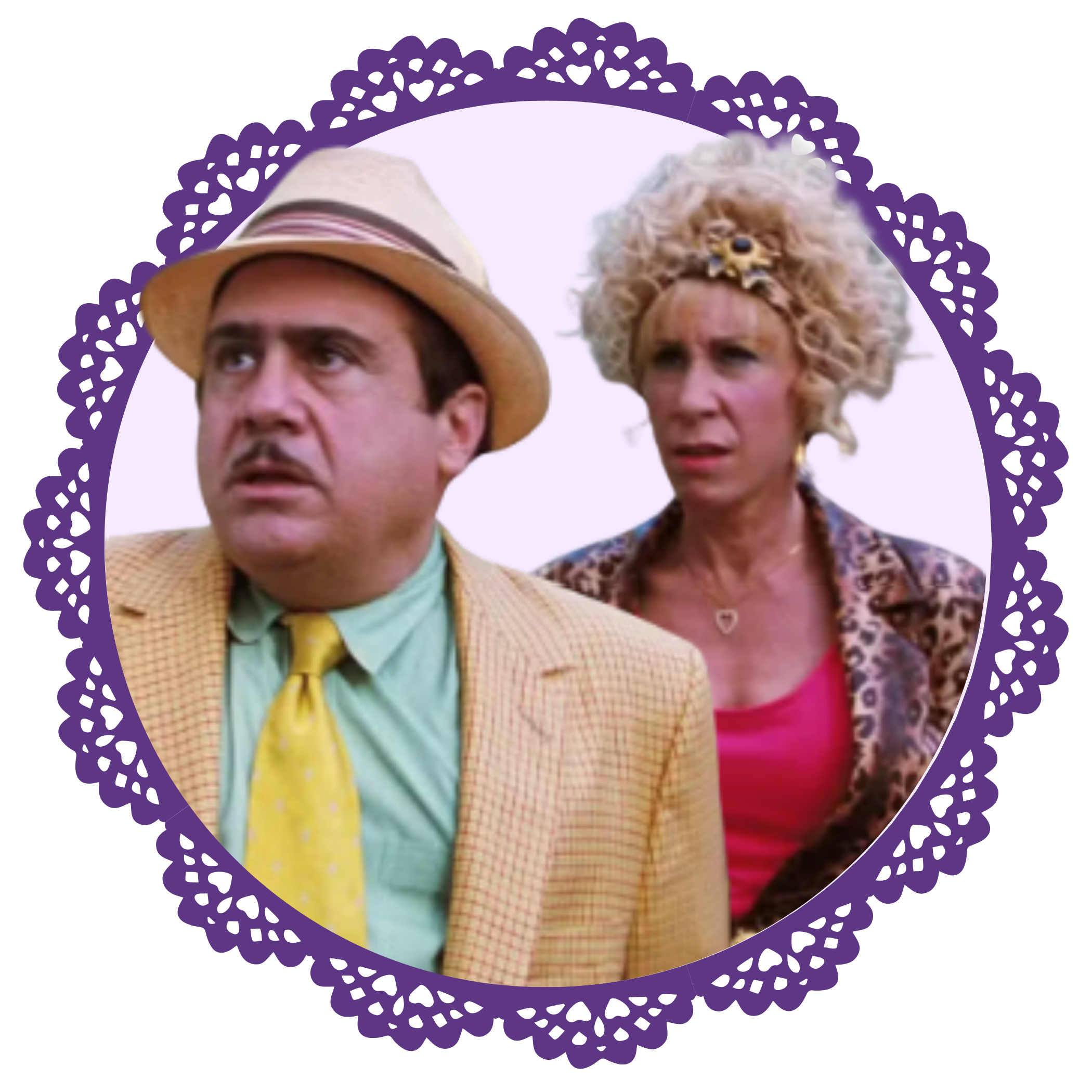
The Wormwoods dismiss Matilda’s intelligence and interests because they do not understand them.
The lesson: A child’s passion does not have to be a parent’s passion to be worth celebrating.
The McCallisters, Home Alone
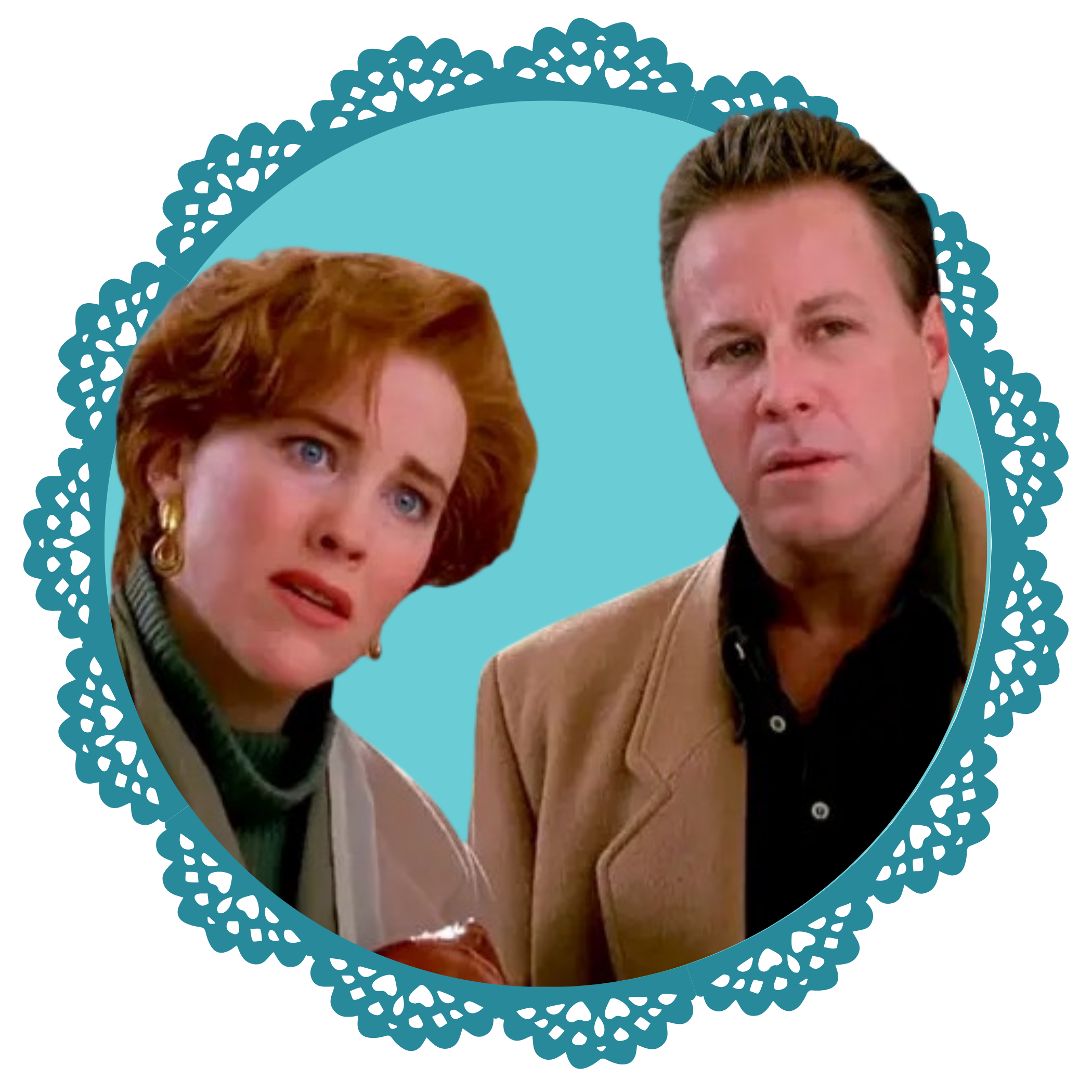
They left Kevin home alone.
Twice.
We can probably end the analysis there.
The lesson: Make a head count.
Every Family Has Its Own Cast of Characters
There is no single correct way to be a family.
Some families have one parent. Some have two. Some children are raised by grandparents, adoptive parents, foster parents, stepparents, relatives, guardians, or a combination of people who love and care for them. The best stories remind us that family is not defined by everyone behaving perfectly or looking the same.
It is built through showing up.
Again.
And again.
And again.
Sometimes with patience.
Sometimes with snacks.
Sometimes while saying, “I already told you to put your shoes on” for the seventh time.
A Parents’ Day Challenge
This Parents’ Day, try one of these simple activities:
The Family Movie Awards: Give out awards like Funniest Family Member, Best Advice, Most Likely to Fall Asleep During the Movie, and Best Performance Pretending Not to Be Annoyed.
The Role Reversal Interview: Children interview their parents about what they were like at the same age.
The Family Theme Song: Choose a song that represents your family and explain why.
The Appreciation Scene: Have everyone share one specific thing another family member did recently that made them feel supported.
The Screen-Time Swap: For every hour spent watching something, spend a little time doing something inspired by it.
The Credits Never Really Roll
Parenting has no final exam.
There is no graduation ceremony where someone hands you a diploma and announces that you have officially figured everything out. Like the best characters, parents grow. They make mistakes. They rewrite the script. They learn from their children while trying to teach them.
So this Parents’ Day, celebrate the Bandits and Chillis, the Bobs and Lindas, the Marlins still learning to let go, and every parent or caregiver doing their best to help a child become the star of their own story.
Because behind almost every great kid is a grown-up quietly wondering what they are doing, searching the internet after bedtime, and hoping they got at least some of it right.
Jake Perlman is the founder of Teachertainment, blending education, entertainment, and pop culture to turn learning into an unforgettable experience.
