
My Child Suddenly Hates a School Subject They Used to Love. What Changed?

Because sometimes the subject is not the villain. The plot around it changed.
In Ratatouille, one bite changes Anton Ego's entire relationship with a dish. School can run that scene in reverse. When a child suddenly hates a school subject they once enjoyed, one frustrating unit, public mistake, new teacher, or missing skill can make the whole subject taste different.
Teachertainment treats that sudden dislike as a clue, not a verdict. This guide will help you identify what may have changed, talk with your child without turning the conversation into an interrogation, try a low-pressure subject reboot at home, and decide when teacher or tutoring support may help.
When a Child Suddenly Hates a School Subject, Find the Plot Twist
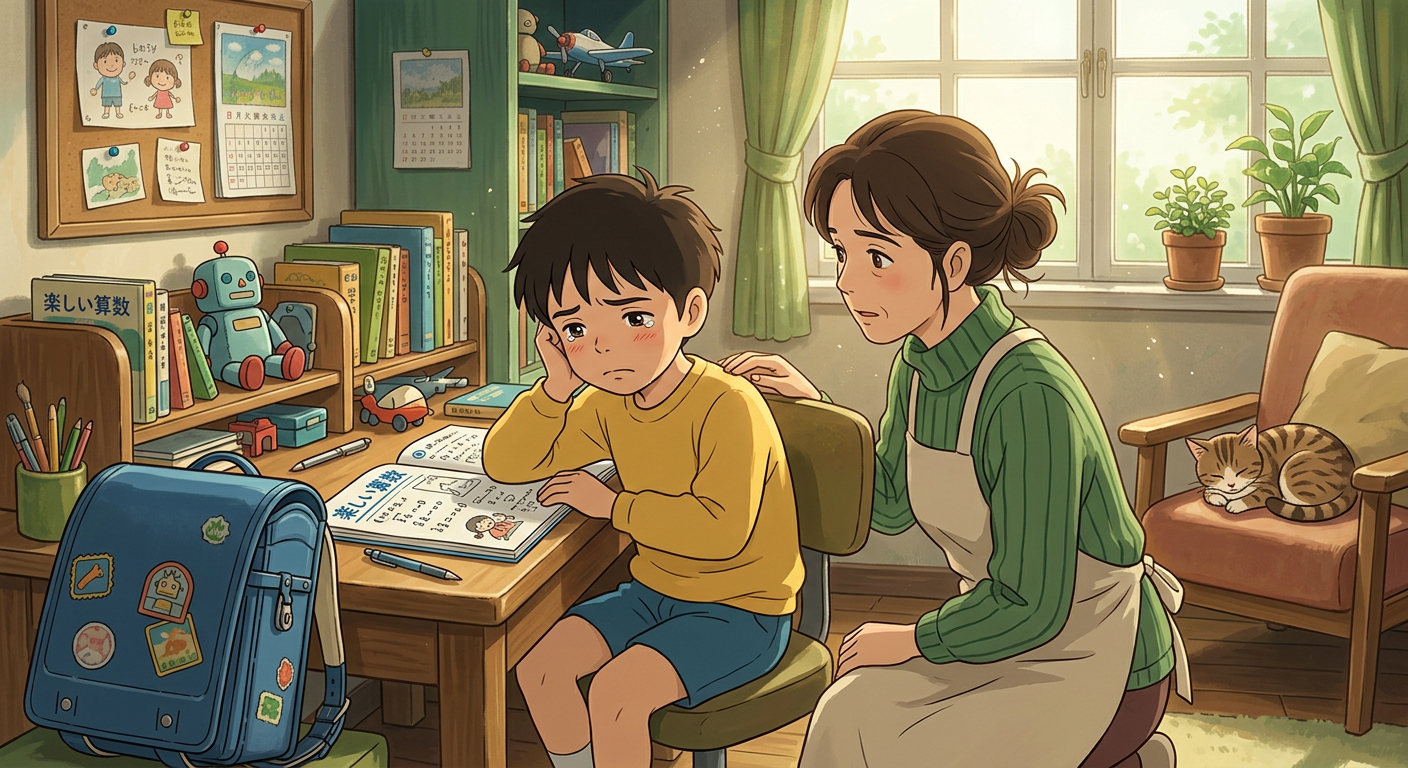
Children often say “I hate math” or “science is the worst” because those sentences are faster than explaining a complicated experience. The word hate can cover confusion, embarrassment, boredom, pressure, a faster pace, a heavier workload, one low grade, or a comment from a classmate.
Timing gives you better evidence than the label. Ask what unit had just started, whether the assignments changed, and when the subject last felt manageable. A child who loved multiplication but now dreads fractions may not have rejected math. They may be missing one bridge between the two.
Do not assume laziness, and do not promise a quick explanation. The same behavior can come from very different causes. Your first goal is not to restore enthusiasm on command. It is to identify whether the plot changed around the content, the classroom, the child's confidence, or all three.
Separate the School Subject From the Experience Around It
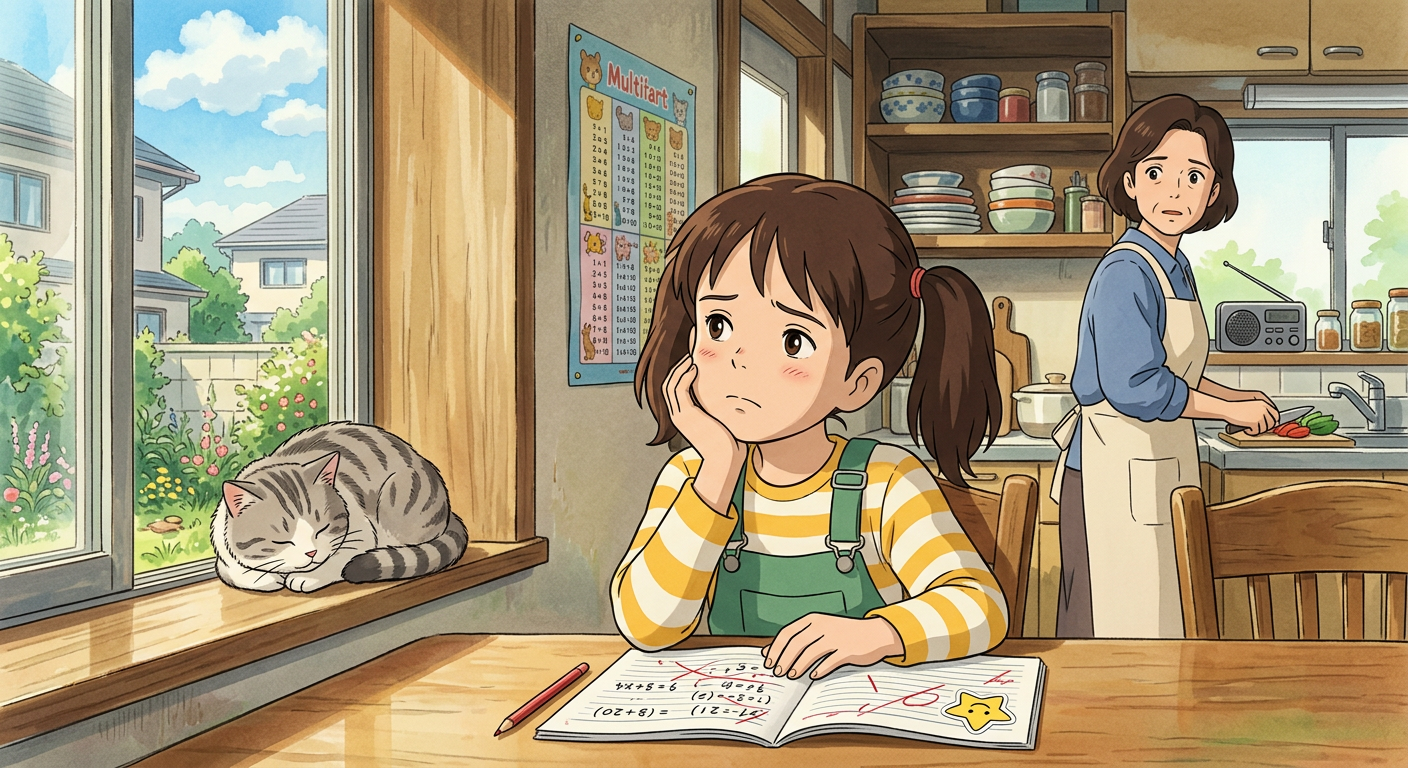
Try asking, “Tell me about the last day this subject felt okay.” That question creates a timeline. “Why do you hate science?” asks your child to defend a feeling they may not understand yet.
Follow with smaller prompts: Was the work too easy, too hard, too fast, or too public? Did the teacher's explanation make sense? Was there a partner activity, test, or class moment they keep replaying? Listen for a specific scene instead of debating the word hate.
Jake Perlman's experience with students across public, private, charter, and international schools shapes our approach at Teachertainment. We treat a sudden statement like “I hate reading” as formative assessment, not a permanent identity. It tells us where to investigate next.
Our reflection on parents as the original executive producers offers a useful reminder here. Supporting the story does not mean controlling every scene. It means noticing patterns, asking better questions, and helping the right people communicate.
Try a Twenty-Minute Subject Reboot at Home
This activity is a rehearsal, not a makeup class. Stop after twenty minutes even if it goes well. Ending with some energy left makes the next attempt less threatening.
Minutes 1 to 5: Build the Timeline
Draw a simple line from “liked it” to “started hating it.” Add assignments, units, tests, teacher changes, or social moments your child remembers. Gaps are fine. You are collecting clues, not demanding a confession.
Minutes 6 to 12: Shrink the Task
Choose one skill small enough to finish without a battle. Solve two problems, read one paragraph, label one diagram, or explain one idea using a favorite movie, sport, or game. Notice where confidence drops. That is useful formative assessment.
Minutes 13 to 20: Offer One Meaningful Choice
Let your child choose the topic, tool, order, or way to show understanding. The CAST UDL guidance on choice and autonomy recommends choices that still serve the learning goal. Choice does not remove the work. It gives the learner a way back into it.
When Subject Aversion Needs More Than a Home Reboot
Look beyond a temporary bad mood when the dislike lasts for weeks, grades drop sharply, your child avoids every related task, or the subject triggers repeated statements such as “I am stupid.” Frequent headaches, stomachaches, panic, or requests to miss school deserve attention too.
The American Academy of Pediatrics notes that school avoidance can be connected to academic struggles, fear of failure, peer problems, or anxiety. A subject complaint may be one piece of a larger pattern, so share what you notice with the teacher and your child's pediatrician or another qualified professional when needed.
If the problem is a skill gap, individualized K-12 academic support can use low-pressure assessment and scaffolding to find the missing step. A tutor cannot repair bullying, an unsafe classroom relationship, or significant anxiety alone. The right response may involve the teacher, school support team, family, tutor, or healthcare professional working together.
Frequently Asked Questions
Why does my child suddenly hate a school subject?
The subject may have become harder, faster, more public, or less connected to your child's interests. A new unit, teaching style, peer interaction, disappointing grade, or missing foundational skill can also change the experience. Ask when the feeling started and what was happening then. The timeline usually provides better clues than arguing about whether your child truly “hates” the subject.
Could one bad grade make my child hate a subject?
One grade can carry surprising emotional weight, especially for a perfectionistic child or a student whose confidence was already fragile. Avoid dismissing the reaction or treating the grade as a verdict. Ask what the child believes the grade means, review the teacher's feedback, and identify one skill they can practice successfully before the next graded task.
Should I make my child practice the subject every day?
Daily practice can help when it is brief, targeted, and connected to a specific need. It can backfire when every session becomes another argument or repeats work the child does not understand. Start with ten to fifteen minutes, choose one attainable skill, and stop before frustration takes over. Consistent small wins are more useful than a nightly marathon.
How should I ask the teacher what changed?
Send a concise, collaborative message. Explain when the dislike began, what your child says, and any changes you have noticed in homework, confidence, or physical complaints. Ask whether the teacher sees a skill gap, participation change, peer issue, or new unit that may be contributing. Focus on comparing observations and agreeing on one next step rather than assigning blame.
Can tutoring help when a child suddenly hates a school subject?
Yes, when confusion, missing foundations, pacing, or low academic confidence is driving the reaction. A tutor can slow the work down, assess which step became unclear, and rebuild through manageable practice. Teachertainment's personalized private tutoring also connects instruction to a student's interests. Tutoring is less likely to solve a peer conflict or significant anxiety without additional support.
How can Teachertainment help us understand the problem?
Teachertainment can help families separate the academic skill from the emotions, routines, and school experiences surrounding it. Our family consultation and educational planning service helps parents organize observations, questions, and realistic next steps. When direct academic support is appropriate, we can also discuss tutoring that matches the child's age, current skills, interests, and schedule.

If your child suddenly hates a school subject, you do not need to force a grand comeback by Monday. Teachertainment can help identify the missing skill, rebuild confidence, and reconnect the work to something meaningful through personalized K-12 tutoring. Email jake@teachertainment.com to talk about what changed. Bring the clues, not a perfect explanation, and let us help your child write a better next scene.
