
Because the moment students stop caring, nothing else matters.
Ted Lasso walks into a locker room full of skeptical players and does something no one expects: he believes in them louder than their doubts. Sound familiar? That is what great teachers do every single day. They walk into a room, read the energy, and find a way in. Pop culture in the classroom works the same way. It is not a shortcut. It is not dumbing things down. It is finding the door that your students will actually walk through.
At Teachertainment, this is the foundation of everything we do. Founder Jake Perlman spent years in the entertainment industry at Paramount Studios, Showtime Networks, and Entertainment Weekly before stepping into classrooms across LAUSD, Le Lycee Francais de Los Angeles, and beyond. What he discovered is that the gap between entertainment and education is far smaller than most people think. In this post, we are breaking down exactly how to bring pop culture into your classroom without a single administrator raising an eyebrow.
Why Pop Culture in the Classroom Actually Works (It Is Not Just Fun)
Let us get the neuroscience out of the way first. When students encounter something familiar, their brains release dopamine. That chemical response signals relevance and reward, which makes the brain more receptive to new information. This is not a theory. It is the same mechanism behind why you remember every lyric to a song you heard in middle school but struggle to recall last Tuesday's meeting agenda.
When you connect academic content to something a student already cares about, you are using what education researchers call prior knowledge activation. Cognitive load theory tells us that learning is easier when students are not spending mental energy trying to concentrate. Pop culture eliminates that barrier before you even begin the lesson.
There is also the engagement piece. According to Carol Dweck's research on growth mindset, students learn better when they feel capable and motivated. A student who feels seen because their teacher referenced a show they love is a student who is more likely to take a risk, ask a question, and try again when they get something wrong.
This is not about being cool. It is about being effective.
The Teachertainment Framework: Pop Culture as a Scaffold, Not a Substitute
Here is where a lot of teachers get nervous. They worry that leaning into pop culture means letting academic standards slide. We hear this concern often, and we want to address it directly: the pop culture reference is the scaffold. The standard is still the destination.
Think about it this way. If you are teaching figurative language to a fifth-grade class, you could open with a textbook definition of metaphor. Or you could pull up a Kendrick Lamar lyric and ask students to identify the comparison. Both paths lead to the same standard. One of them has students leaning forward in their seats.
A Classroom Activity You Can Use Tomorrow
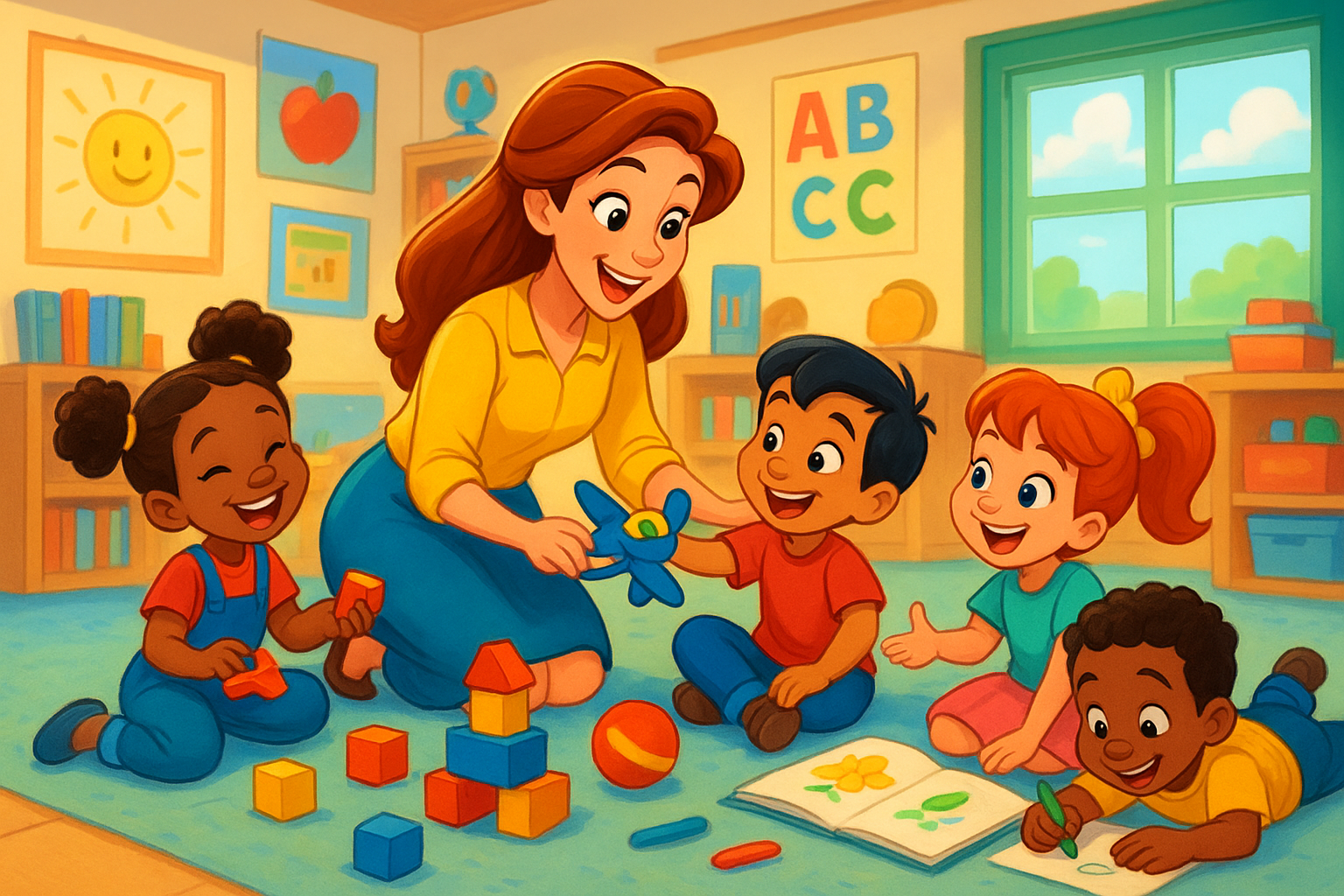
Try this with any grade level. Choose a theme from your current unit, whether that is conflict, identity, justice, or change. Then ask students to identify a movie, show, song, or game that explores that theme. Give them five minutes to write down three specific moments from their chosen pop culture example that connect to the theme. Then pair them with a classmate who chose something different and have them compare.
You now have a differentiated, student-driven discussion that hits reading comprehension, analytical thinking, and oral communication standards simultaneously.
We have run versions of this activity with students as young as second grade using Pixar films and as old as eighth grade using song lyrics. The content changes. The skill remains constant. That is what standards-aligned, culturally responsive instruction looks like in practice.
Choosing the Right Pop Culture Reference for Your Classroom
Not every reference lands. And honestly, some references should not be in the classroom at all. Here is a simple filter we use before bringing any piece of media into a lesson.
The Three-Question Check
First, is it age-appropriate? What works in an eighth-grade classroom may not belong in third grade, and that line matters. Second, is it accessible? If only half your class has seen it, you risk excluding students rather than including them. Third, does it genuinely connect to a learning objective, or are you just hoping students will find it fun? Fun alone is not a lesson plan. Fun with a clear academic payoff is.
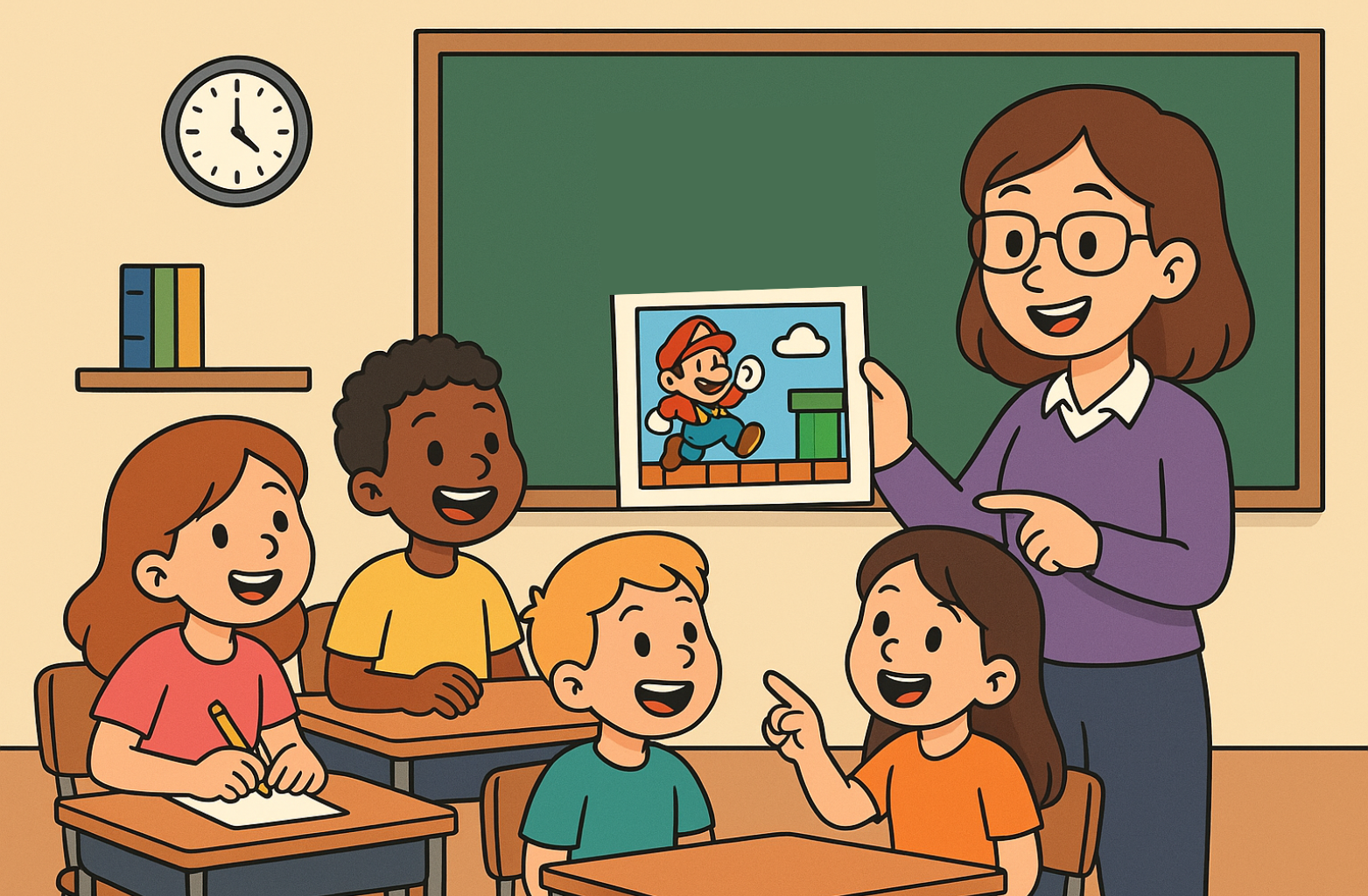
Great entry points that tend to work across grade levels include Pixar films for themes and character analysis, sports moments for data and persuasive writing, music lyrics for poetry analysis and figurative language, and video games for problem-solving and narrative structure. The Teachertainment Printables Store has standards-aligned packets built around specific pop culture titles including Disney, Super Mario, Wicked, and more, so you do not have to build from scratch every time.
Handling Pushback: What to Say When Someone Questions Your Approach
At some point, a parent, a colleague, or an administrator may ask why you are showing a movie clip or playing a song in class. This is a legitimate question, and having a clear answer ready is part of being a professional educator who uses this approach with integrity.
The answer is simple: every pop culture element in your classroom should be traceable to a specific standard. If you cannot draw a direct line from the clip to the learning objective, it probably does not belong in the lesson. But when you can make that connection clearly, and you document it the same way you would any other instructional choice, you are standing on solid ground.
Jake's background working in Broadway casting rooms and entertainment industry development taught him something that translates directly to education: the best creative choices always serve the story. In the classroom, your story is the student's learning. Every choice you make, including your pop culture hooks, should serve that story.
We also want to be honest here: this approach does not work equally well for every student or every learning style. Some students find pop culture distracting rather than engaging. Watch your students. Adjust. The goal is always learning, not the hook.
Frequently Asked Questions
Is using pop culture in the classroom actually aligned with academic standards?
Yes, when done intentionally. The pop culture reference is the entry point, not the endpoint. A Disney song can teach literary devices. A sports statistic can anchor a math lesson. A film scene can open a discussion on a theme or character motivation. The standard stays the same. What changes is how students access it. Always document the connection between your pop culture choice and the specific standard you are addressing.
What if I do not know the pop culture my students are into?
Ask them. Seriously. A five-minute conversation at the start of the week, where students share what they are watching, playing, or listening to, is one of the most useful pieces of data a teacher can collect. You do not have to be an expert in every show or game. You just need to be willing to find the academic angle within whatever your students bring to the table. That curiosity is exactly what builds classroom trust.
How do I use pop culture for test prep without it feeling gimmicky?
The key is connecting the pop culture element to a genuine test skill, not just decorating a worksheet with a character students recognize. A reading comprehension passage built around the plot of a film students love will feel more engaging than a random nonfiction excerpt, but the skill being assessed is identical. Teachertainment's Test Prep approach uses this exact method: real skills, delivered through content students care about, so the practice does not feel like punishment.
Can this approach work for students who are behind grade level?
Often, it works especially well for them. Students who have struggled with traditional instruction sometimes come alive when the content feels relevant. Pop culture can lower the affective filter, which is the emotional barrier that blocks learning when students feel anxious, bored, or disconnected. That said, differentiated instruction still matters. Meeting a student where they are academically while engaging them culturally is the combination that produces real progress.
Where can I find ready-made pop culture lesson materials that are already standards-aligned?
Teachertainment's Printables Store has exactly that. Each packet is built around a specific pop culture title and aligned to Common Core State Standards, with activities designed for ELA and math across multiple grade levels. Titles include Disney, Super Mario, Wicked, Moana, Ratatouille, and more. They are ready to use for centers, homework, test prep, or movie day activities.
Does Teachertainment offer professional development for teachers who want to learn this approach?
Yes. Teachertainment offers Teacher Workshops and keynote presentations designed to help educators integrate pop culture into their instruction in a way that is academically grounded, practical, and immediately applicable. Whether you are looking for a school-wide PD session or a small group workshop, reach out at jake@teachertainment.com to learn more.
What grade levels does this approach work best for?
Teachertainment's methods have been used successfully with students from pre-K through eighth grade. The pop culture references shift by age group, but the underlying principle stays the same: connect new learning to something familiar and meaningful, and students engage more deeply. Younger students respond well to picture books, animated films, and children's music. Older students connect with sports, social media trends, video games, and contemporary music.
Ready to Bring This Into Your Classroom?
Teachertainment was built on one belief: education and entertainment belong together. Whether you are a classroom teacher looking for practical strategies, a school leader planning your next PD day, or a parent trying to make homework feel less like a battle, we are here to help. Explore our Teacher Workshops to bring the Teachertainment approach to your school, or reach out directly at jake@teachertainment.com. The bell has rung. Class is in session.
