
Will Hiring a Private Tutor Make My Child Feel Stupid or Different?
The question every parent is thinking but not always saying out loud.
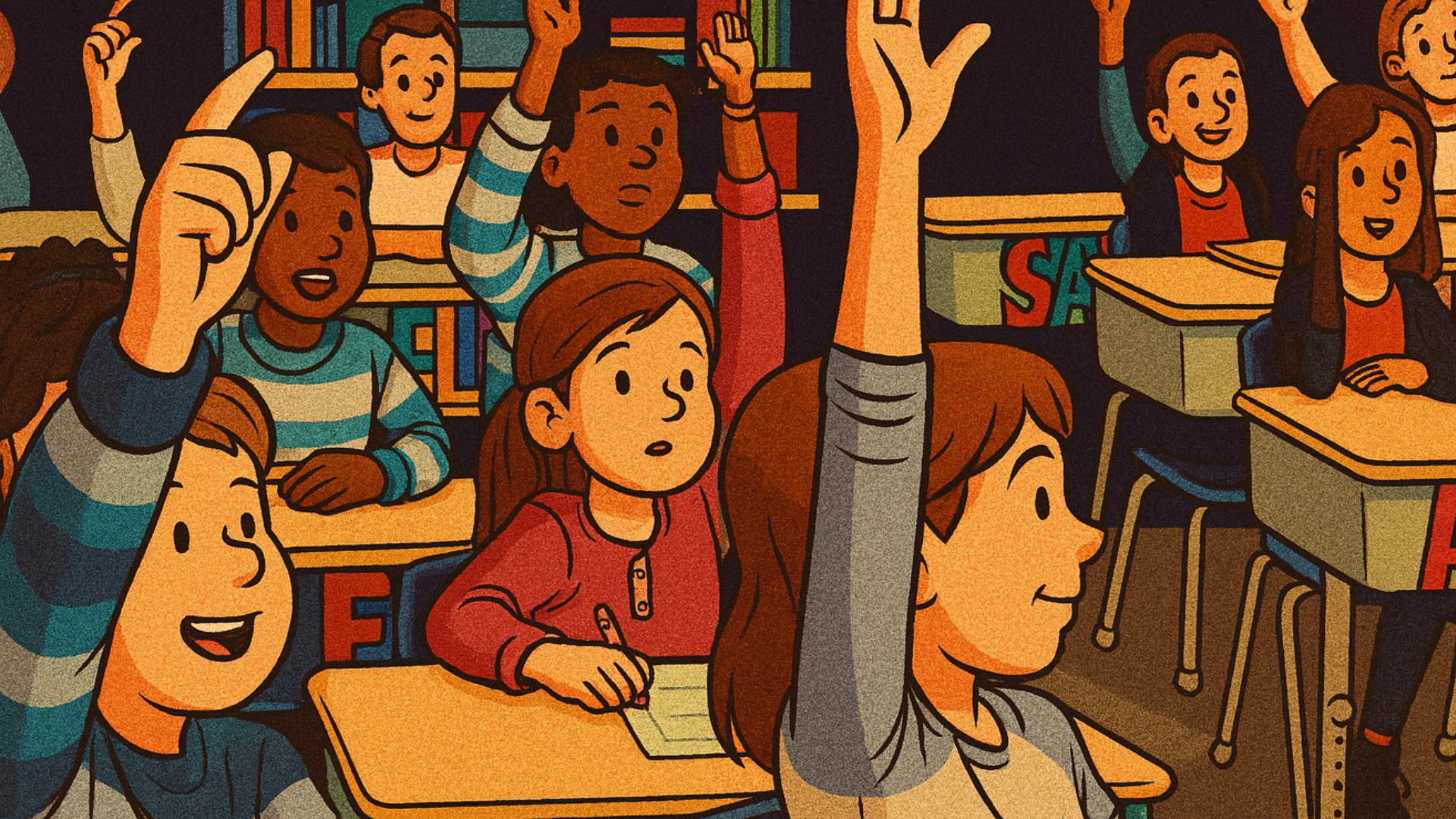
In Pixar's Inside Out, Riley does not fall apart because school gets hard. She falls apart because she feels like no one around her understands what she is going through. That gap between struggling silently and getting the right support is exactly where so many kids live. And it is exactly the fear parents carry when they consider hiring a tutor. Will this make my child feel singled out? Will they think something is wrong with them? Will their friends find out?
These are not small questions. They are the most human questions a parent can ask. At Teachertainment, we have worked with enough families to know that the fear of stigma is often bigger than the academic problem itself. So let us talk about it directly, honestly, and with the care it deserves.
Where the Fear Comes From and Why It Makes Complete Sense

The worry that tutoring will make a child feel different is rooted in something real. For decades, academic support carried a quiet stigma in many school cultures. Being pulled out of class, being seen with extra materials, and being known as the kid who needed help. These experiences left marks on a generation of parents who are now raising their own children.
But the landscape has shifted significantly. Private tutoring today is not remediation by another name. It is personalized academic support that serves every kind of learner, from students who are struggling to catch up to students who are academically advanced and bored. Research on academic self-concept, including work building on Albert Bandura's social cognitive theory, consistently shows that children's confidence in school is shaped not by whether they receive help, but by how that help is framed and delivered.
In other words, a child who receives the right kind of support, delivered by someone who genuinely believes in them, does not feel less. They feel capable. That distinction is everything.
What Actually Happens to a Child's Confidence During Tutoring

Here is what we see in practice. A student arrives at their first session guarded. Arms crossed, monosyllabic answers, a clear signal that they have decided in advance that this is not going to go well. That is not stubbornness. That is self-protection. They have probably already decided that needing a tutor means something is wrong with them.
The first job of a great tutor is not to teach. It is to reframe. When a student discovers that a tutor is not there to judge their gaps but to work alongside them, the dynamic shifts. Sometimes it shifts in the first session. Sometimes it takes a few weeks. But it shifts.
The Role of Teachertainment's Approach
At Teachertainment, our sessions are built around each student's actual interests and strengths. Jake Perlman's background spans classroom teaching at Canfield Avenue Elementary, Brawerman Elementary, Crete Academy, and St. Timothy School, alongside years in the entertainment industry at Paramount Pictures, Showtime Networks, and Entertainment Weekly. That combination shapes every session. We know how to find what a student cares about and use it as the entry point into the content they need to master.
A student who loves video games working through a math concept framed around game logic does not feel like they are in remediation. They feel like someone finally found their frequency. That feeling is not a trick. It is the beginning of genuine academic confidence.
How to Talk to Your Child About Tutoring Without Making It a Big Deal
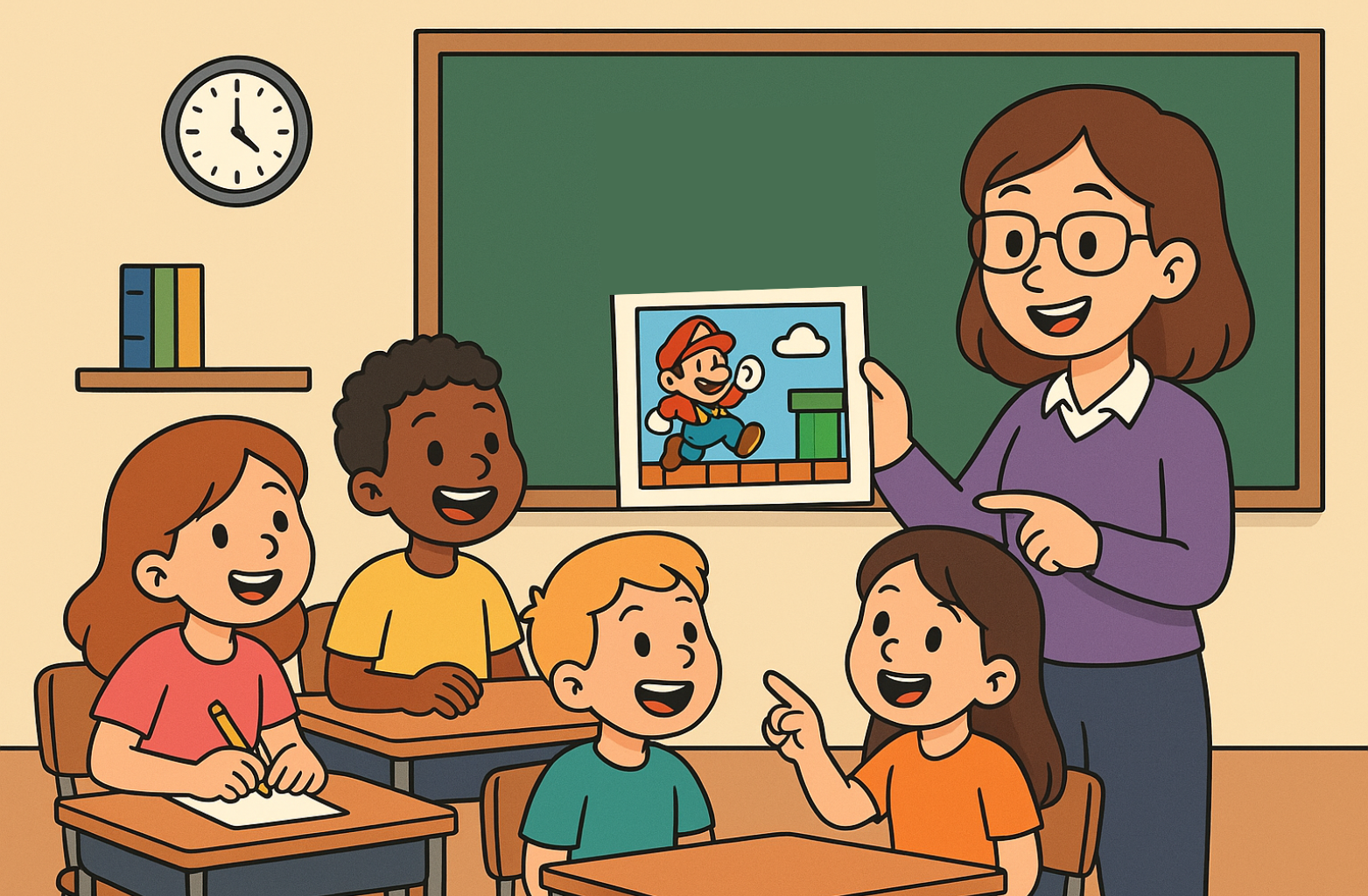
How parents introduce tutoring matters enormously. The framing you use in that first conversation sets the tone for everything that follows. Here are three approaches that consistently work.
Frame It as an Upgrade, Not a Fix
Athletes have coaches. Musicians have teachers. Actors have directors. None of them are failing at their craft. They are developing it with expert support. When you tell your child that getting a tutor is what serious learners do, you shift the narrative from remediation to investment. Most kids respond to this framing far better than parents expect.
Keep the Circle Small
Your child does not need to announce their tutoring sessions to their class. Keeping it private is completely reasonable and worth saying explicitly. Many children carry the fear that their peers will find out. Reassuring them upfront that this is their own business removes that anxiety before it has a chance to grow.
Let the Tutor Do the Heavy Lifting
Once the first session happens, let the tutor build the relationship. One of the most common mistakes well-meaning parents make is over-monitoring the sessions, asking too many questions afterward, or expressing their own anxiety about the process in front of their child. Your confidence in the process signals to your child that this is normal, manageable, and good.
Signs That Tutoring Is Building Confidence, Not Undermining It
You will know the tutoring is working when your child starts talking about their sessions voluntarily. When they use vocabulary from a session in conversation at dinner. When they stop saying they hate a subject and start saying it is confusing but getting better. These are the signals that the relationship is working and that the academic support is doing what it is supposed to do.
We also want to be honest with you: not every tutoring experience lands this way. A tutor who does not connect with a child's personality or learning style can reinforce the very self-doubt you were trying to address. That is why fit matters as much as credentials. If the connection is not there after a few sessions, changing tutors is not a failure. It is good parenting.
Teachertainment's private K-12 tutoring is built on the principle that every student has something they are brilliant at, even when they cannot see it yet. Our job is to find that thing and build from there.
Frequently Asked Questions
Will my child know they are getting tutoring because they are behind?
Not necessarily, and this depends on how you frame it. Many students receive tutoring for enrichment, test preparation, interview readiness, or skill development rather than remediation. Framing the sessions as a space to work on specific goals, rather than as a response to failure, changes how a child processes the experience. The tutor's job is to reinforce that framing in every session.
At what age do children become aware of the social stigma around tutoring?
Most children begin to develop social comparison awareness around the ages of seven to nine. By middle school, peer perception becomes a much stronger factor. This is worth knowing because it shapes how you introduce tutoring at different ages. Younger children generally accept tutoring without stigma if it is presented matter-of-factly. Older children benefit from more explicit conversations about why smart, capable people use coaches and teachers throughout their lives.
What if my child refuses to go to tutoring sessions because they feel embarrassed?
Resistance to tutoring is one of the most common concerns parents bring to us. The most effective approach is not to force the issue but to address the underlying emotion directly. Ask your child what specifically worries them about tutoring. Listen without judgment. Then address the specific fear rather than the general resistance. For more on this, read our post on what to do when your child refuses to be tutored.
How does Teachertainment make tutoring feel different from a regular school session?
Teachertainment sessions are designed to feel nothing like a repeat of the school day. Jake Perlman's background in both education and the entertainment industry, including roles at Paramount Pictures and Showtime Networks, shapes an approach where pop culture, student interests, and real-world connections are built into every session. Students are not re-taught the lesson. They experience the content through a lens that actually makes sense to them. Explore our private K-12 tutoring approach to learn more.
Is it normal for a child to feel embarrassed at first and then come around?
Completely normal. Initial resistance or self-consciousness is almost universal, especially for students who have internalized the idea that needing help means being less capable. The shift happens when the student experiences a tutoring session that feels genuinely different from what they feared. A good tutor does not just teach the subject. They rebuild the student's relationship with learning itself, and that takes a little time.
Can tutoring actually improve my child's confidence at school, not just their grades?
Yes, and research supports this strongly. Studies on academic self-efficacy consistently show that targeted, positive academic support improves students' belief in their own ability to succeed, which in turn improves persistence, engagement, and willingness to take on challenges. Grades often improve as a result of that confidence shift, not the other way around.
How do I find a tutor whose style will actually make my child feel good about learning?
The most important factor is the tutor's ability to connect with your specific child's personality and interests. Credentials matter, but connection matters more. At Teachertainment, we take time before the first session to understand what each student cares about so we can build sessions around their world. Reach out at jake@teachertainment.com to start that conversation.
Before Your Child Walks Into That First Session, Let Us Talk
The fear that tutoring will embarrass your child is one of the most common things parents carry into that first conversation with us. So let us have that conversation first, before anything else. Tell us about your child at jake@teachertainment.com. We want to know who they are, what they love, and what has felt hard before we ever open a textbook. That conversation is free. And it is where everything starts. When you are ready, our private K-12 tutoring shows you exactly what sessions look like once we know your child.
