

A director never solves a disruptive performer by cutting them from the show. They give the energy somewhere useful to go.
Every casting room eventually meets a performer with enormous, unmanaged energy. Loud, quick, always reaching for the spotlight, sometimes in ways that derail the scene entirely. The instinct of an inexperienced director is to shrink that energy down, ask the performer to be smaller, quieter, less. Experienced directors do something different. They find the moment in the piece where that exact energy becomes the thing that makes the whole show work, and they build toward it.
A classroom with one student who consistently shifts the room's energy, pulling focus, triggering side conversations, and derailing momentum, is facing the same creative problem. The instinct to shrink that student down rarely produces a calmer room. It produces a student who has learned that their energy is unwelcome, which tends to make the disruption worse, not better.
Why Shrinking the Energy Usually Backfires
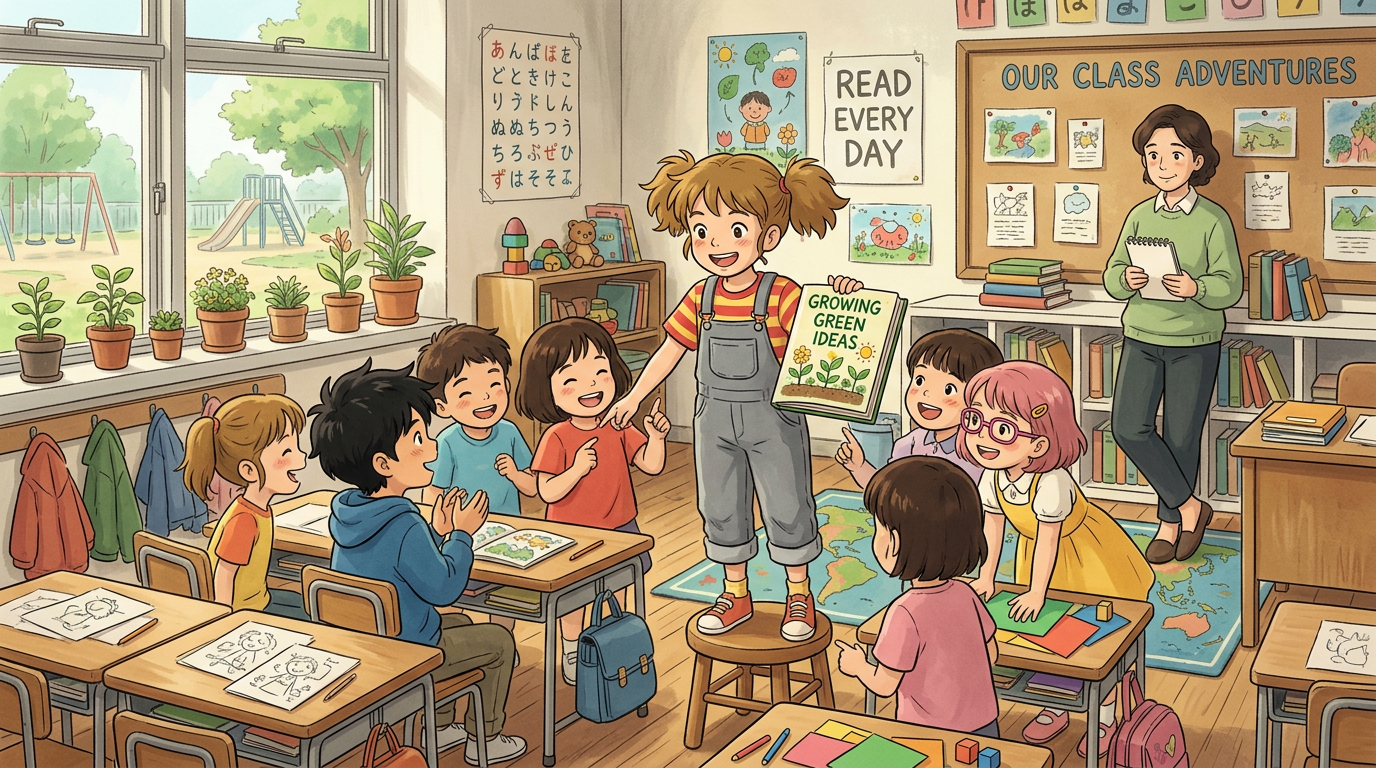
A student whose energy dominates a room is, in almost every case, seeking something real: attention, control, connection, or stimulation their nervous system genuinely needs. Repeated correction that only addresses the behavior, without addressing what is driving it, tends to produce one of two outcomes. Either the behavior escalates as the student seeks the same need through a bigger version of the same strategy, or the student shuts down entirely, trading disruption for disengagement, which is not actually a win.
This does not mean the behavior should go unaddressed. It means the most durable fix usually involves giving that energy a legitimate outlet within the structure of the lesson, rather than only working to suppress it.
Building a Role for the Energy, Not Just a Consequence

Identify What the Energy Actually Wants
Before assigning a consequence, look for the pattern underneath the disruption. Is the student seeking peer attention, adult attention, movement, control over the pacing of the room, or intellectual stimulation that the current task is not providing? Different underlying needs call for different structural responses.
Give the Energy a Job
A student who craves peer attention can be given a legitimate, visible role: leading a discussion segment, being the designated timekeeper, presenting the group's answer. A student who needs movement can be given a reason to be up and moving that serves the lesson, such as distributing materials, running a quick errand, or standing to lead a review. The goal is to redirect the same underlying drive toward something the room needs, rather than only suppressing it.
Set the Structure Before the Disruption Starts
Waiting until the disruption has already begun to offer the redirect means you are now managing behavior in real time under pressure. Building the legitimate role into the lesson from the start, before the disruption has a chance to happen, is far more effective and far less exhausting to sustain day after day.
We have used this approach with students across elementary and middle school, and the pattern holds: a student whose energy has a genuine job to do in the room disrupts far less than the same student sitting with nowhere for that energy to go. This is not about tolerating disruption. It is about recognizing that the same underlying trait causing the disruption is often the exact trait that, given a legitimate outlet, becomes a genuine asset to the room.
When This Approach Is Not Enough on Its Own
We want to be direct about the limits of this method. Some disruptive behavior is not primarily about an unmet need for attention or stimulation. It may reflect an unaddressed learning gap, making the current task genuinely inaccessible, a social or emotional challenge that needs support beyond classroom strategy, or a family or personal circumstance affecting the student well beyond what happens in your room.
If redirecting the energy structurally does not produce meaningful change within a few weeks, it is worth investigating what is underneath the pattern more directly, potentially in partnership with a school counselor, the family, or additional support staff. A structural fix inside one classroom cannot substitute for that broader picture when it is genuinely needed. Teachertainment's Teacher Workshops include sessions on both the structural redirect strategies covered here and on recognizing when a pattern needs support beyond classroom management alone.
Frequently Asked Questions
Isn't giving a disruptive student a special role just rewarding bad behavior?
This is a common concern, and the distinction matters. The role is not offered as a reward for disruption. It is offered proactively, before the disruption occurs, as a structural way to meet the underlying need that the disruption was addressing. Over time, students generally learn that legitimate roles are available consistently, not only in response to acting out, which prevents the dynamic from feeling like disruption pays off.
What if giving one student a special role creates jealousy or perceived favoritism from other students?
Rotating meaningful roles across the whole class, rather than assigning the same role to the same student permanently, addresses this directly. Every student benefits from having a legitimate job in the room periodically. The student whose energy most needs an outlet may simply need it more consistently than their peers, but the structure itself should be available to everyone.
How do I know if a student's disruptive energy is attention-seeking versus something else entirely?
Pay attention to when the behavior intensifies. Attention-seeking behavior typically escalates when the student feels ignored or when the task does not involve visible interaction with peers or the teacher. Behavior tied to an unaddressed learning gap often intensifies specifically during independent or difficult academic tasks. Behavior tied to something outside the classroom often appears inconsistently, unrelated to the structure of the lesson itself.
Does this approach work for students who are disruptive in ways that feel genuinely unsafe, not just distracting?
No, and this distinction matters. Behavior that poses a safety risk to the student or others requires an immediate, direct response according to your school's safety protocols, not a structural redirect strategy. The approach described here applies to the far more common category of disruption: energy, attention-seeking, and stimulation-driven behavior that derails focus without posing genuine safety concerns.
How long does it typically take to see a change using this approach?
Many teachers notice a shift within the first one to two weeks of consistently building a legitimate role before disruption occurs. Full behavioral change, especially for a pattern that has been reinforced over a long period, often takes longer and benefits from consistency across the full school day, not just one class period.
Can Teachertainment help train my staff on managing this kind of classroom dynamic?
Yes. Teachertainment's Teacher Workshops include sessions on structural behavior redirection strategies, drawing on both classroom teaching experience and casting and production experience, where managing big, unmanaged energy productively is a genuine professional skill.
That Energy Is Not the Problem. It Is Looking for Somewhere to Go

The student who dominates your room's energy every day is not necessarily working against you. Given the right structure, that same energy often becomes the thing that makes your classroom work. If you want to build that structure for your specific classroom, explore our Teacher Workshops, or email jake@teachertainment.com and tell us what the pattern actually looks like day to day. We will help you find where that energy belongs.
