
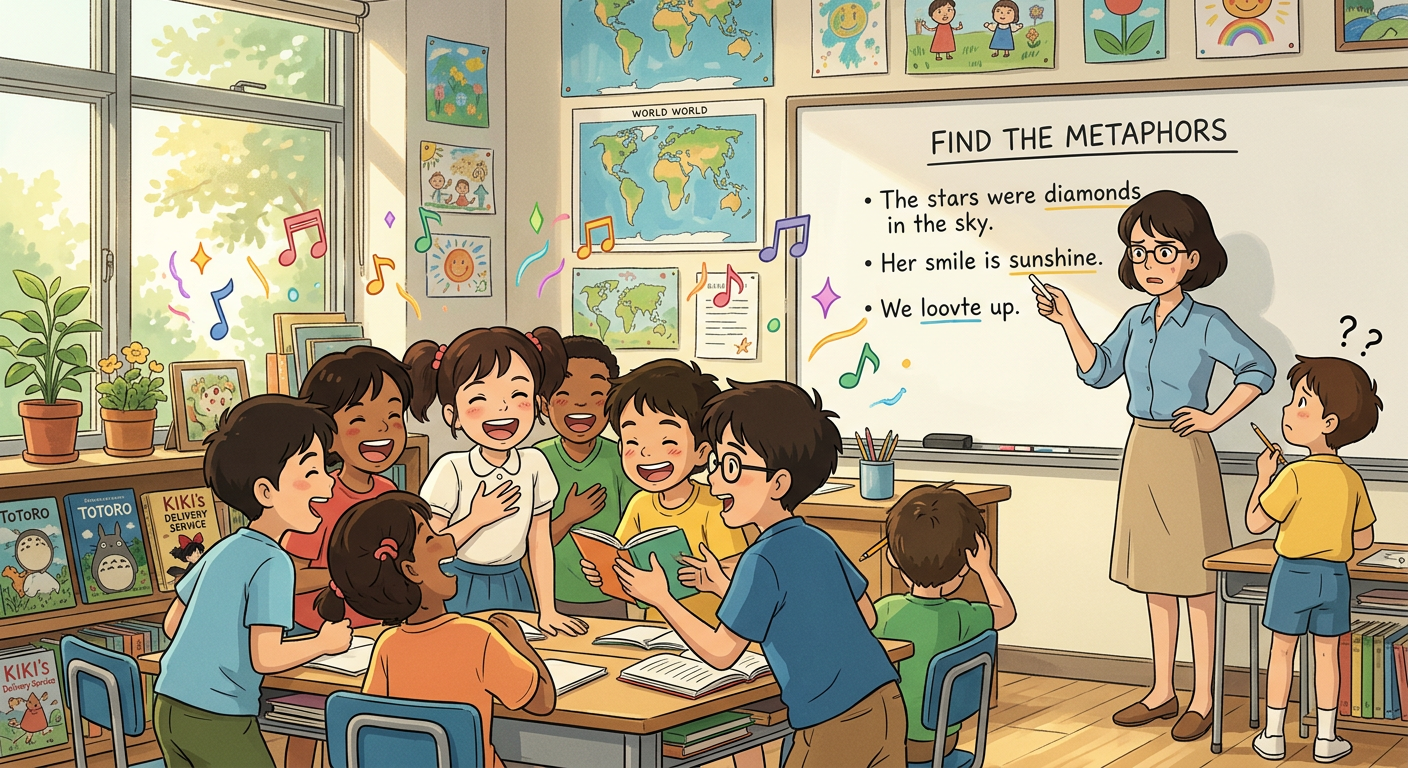
The device is not missing. The connection between what they know and what you are asking for is.
Somewhere in your classroom right now is a student who can recite three verses of a Disney song without missing a syllable, and who goes completely blank the moment you ask them to identify a metaphor in a poem. This is not a contradiction. It is a gap between two things that feel unrelated to the student, but are actually the exact same skill wearing different clothes.
That song they know by heart is packed with metaphors, personification, and figurative language. They are not missing the skill of recognizing figurative language. They are missing the bridge between the version of it they already understand intuitively and the version you are asking them to identify on command, out of context, in an unfamiliar text.
Why the Skill Does Not Transfer on Its Own
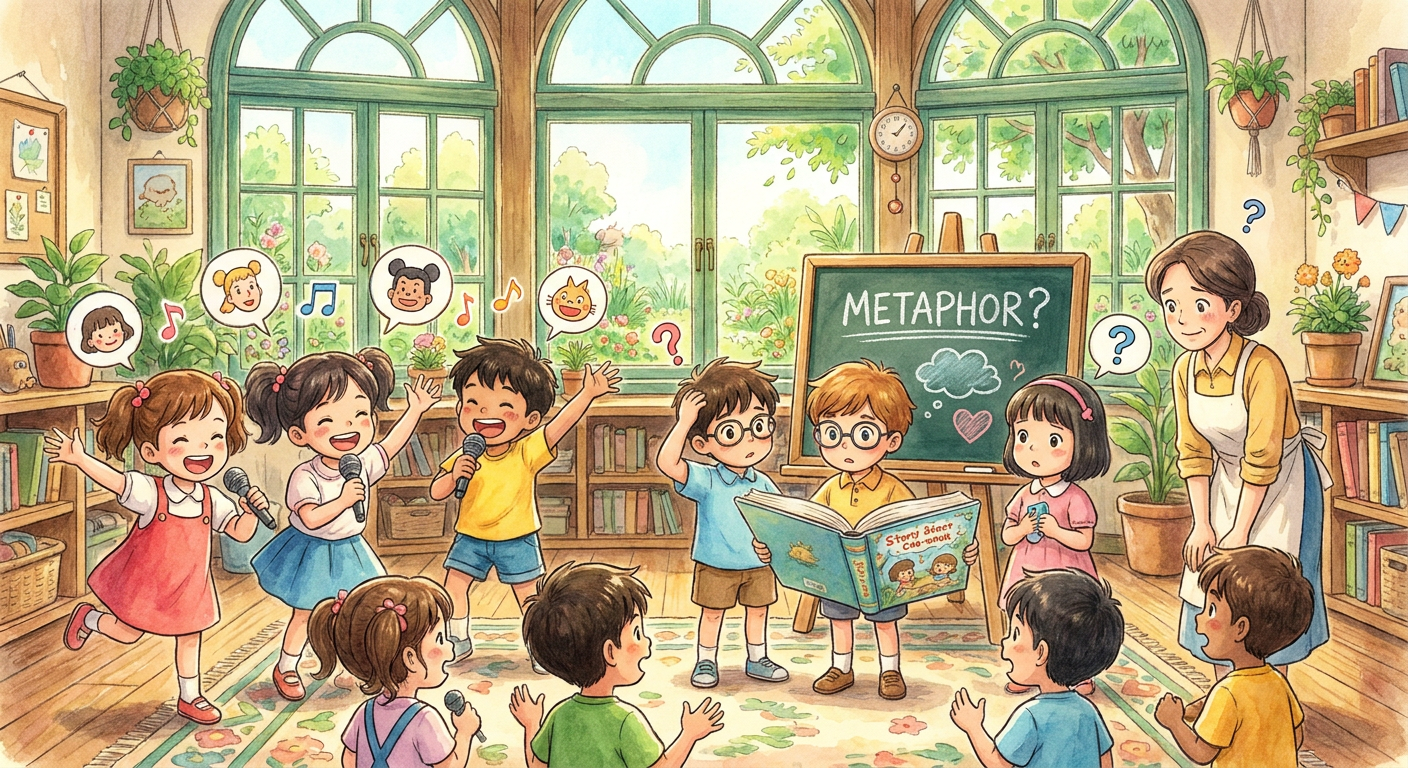
Cognitive science calls this a transfer problem. A student can hold deep, intuitive knowledge of a concept in one context and be completely unable to apply it in a different one, especially when the new context strips away the emotional and musical cues that made the original version make sense.
When a student hears a lyric, the metaphor lands because it is wrapped in melody, rhythm, and a feeling they already have some connection to. When the same student reads an unfamiliar poem in a textbook, none of that scaffolding is present. The cognitive load of decoding unfamiliar vocabulary and unfamiliar context on top of identifying the device itself is often enough to make the whole task feel impossible, even though the underlying skill was already there.
This means the fix is not reteaching what a metaphor is. It is building a deliberate bridge between the version students already understand and the version you need them to demonstrate.
The Bridge Activity: Same Device, Two Contexts
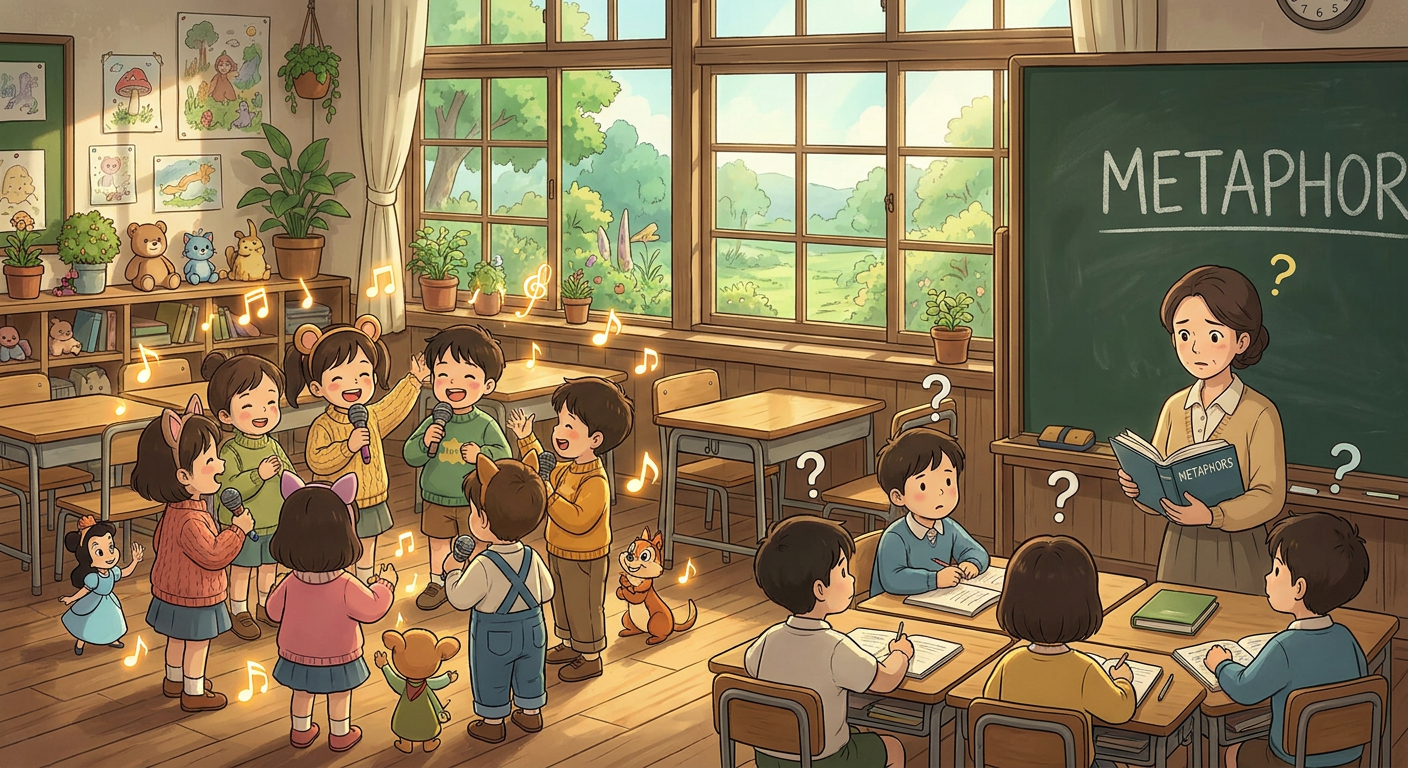
Here is a structure that makes the bridge explicit rather than assuming students will find it themselves.
Step One: Start With What They Already Know
Choose a song lyric students already know well and that contains a clear example of the device you are teaching. Ask students to explain, in their own words, what the line actually means and what two things are being compared or connected. Because the content is familiar, this step is almost always easy. Students will explain it accurately and often with genuine enthusiasm.
Step Two: Name the Device Explicitly
Once students have explained the meaning in their own words, introduce or reinforce the formal term. This is a metaphor. Here is what makes it one. This sequencing matters. Naming the device after students already understand the meaning is far more effective than naming it first and hoping understanding follows.
Step Three: Bridge to the New Text
Now introduce the unfamiliar text containing the same device. Explicitly point back to the song lyric: this works the same way as the line we just talked about. Ask students to find the parallel structure in the new text. The explicit bridge, rather than an assumption that the skill will transfer automatically, is what closes the gap.
We have used this exact three-step structure with students from third grade through eighth grade. Younger students respond especially well to it because the emotional familiarity of a song they love does real work that a cold textbook excerpt cannot do on its own.
Choosing Material That Actually Works for This
Not every song lyric is equally useful for this. The clearest results come from lyrics with a single, identifiable figurative device rather than dense, layered wordplay that would confuse the bridge rather than clarify it. The Teachertainment Printables Store includes standards-aligned packets built specifically around pop culture material, including a Disney-themed ELA packet with figurative language activities already mapped to Common Core standards, so you are not starting from a blank page every time you want to run this bridge activity.
Jake Perlman's background studying Theatre at Northwestern University, combined with years of classroom teaching at Canfield Avenue Elementary, Brawerman Elementary, Crete Academy, and St. Timothy School, shaped this bridge method directly. In a theatre rehearsal room, the same principle applies constantly: an actor who cannot connect an unfamiliar line to something they already understand emotionally will deliver it flat. The direction is never to explain the line harder. It is to find what you already know that connects to this.
What to Do When the Bridge Still Does Not Click
Some students will need more than one pass at this structure before the transfer happens independently. That is normal, not a sign the method has failed. Figurative language recognition, like most reading comprehension skills, develops through repeated, varied exposure rather than a single successful demonstration.
If a student is still struggling after several bridge activities, the issue may not be the device itself but a more foundational gap in reading comprehension or vocabulary that is making the unfamiliar text inaccessible, regardless of how familiar the bridging material is. In that case, addressing the foundational gap directly, rather than adding more bridge activities, is the more effective next step.
We also want to be honest about a limitation here: this method works best for devices with a clear, single meaning, like metaphor, simile, and personification. More ambiguous or layered literary techniques, like irony or extended allegory, often need a different instructional approach entirely.
Frequently Asked Questions
Why can my students identify figurative language in songs but not in poetry?
This is a transfer problem, not a skill problem. Students understand the device intuitively when it is embedded in something emotionally and musically familiar. The same device in an unfamiliar text lacks that scaffolding, and the added cognitive load of decoding unfamiliar vocabulary can make the task feel much harder than it actually is. An explicit bridge between the familiar and unfamiliar contexts closes this gap.
What is the best way to choose a song for teaching literary devices?
Choose a song your students already know well, ideally one they can recite without effort, and that contains one clear, identifiable example of the device you are teaching. Avoid songs with dense or ambiguous wordplay for this specific activity, since the goal is a clean bridge, not an additional layer of interpretation.
How many times do I need to repeat this bridge activity before it sticks?
This varies by student, but figurative language recognition typically develops through repeated exposure across several different examples rather than a single successful demonstration. Running the bridge activity with two or three different devices across a few weeks tends to produce more durable transfer than one perfect lesson.
Does this approach work for reluctant or lower-level readers specifically?
Often, especially well. Reluctant readers frequently disengage from literary analysis because the unfamiliar text itself feels like a barrier before the analytical task even begins. Starting with material they already know removes that initial barrier and lets them demonstrate a skill they already have. For readers who need more foundational support alongside this approach, private K-12 tutoring sessions can pair this bridging method with targeted comprehension work.
Are there ready-made materials for this kind of lesson?
Yes. The Teachertainment Printables Store includes a Disney-themed ELA packet with figurative language activities already aligned to Common Core standards, along with other pop-culture-based literacy materials for a range of grade levels.
What if a student still cannot identify the device after several bridge activities?
At that point, the gap may be more foundational than the device itself, such as a broader reading comprehension or vocabulary challenge that is making the unfamiliar text inaccessible regardless of the bridge. Addressing that foundational gap directly is usually more effective than repeating the bridge activity with new material.
Can Teachertainment help train my staff on this kind of bridging method?
Yes. Teachertainment's Teacher Workshops include sessions on using pop culture and familiar material as a bridge to formal literary analysis, with practical activity structures that teachers can apply the next day.
Their Favorite Songs Already Have the Answer Key
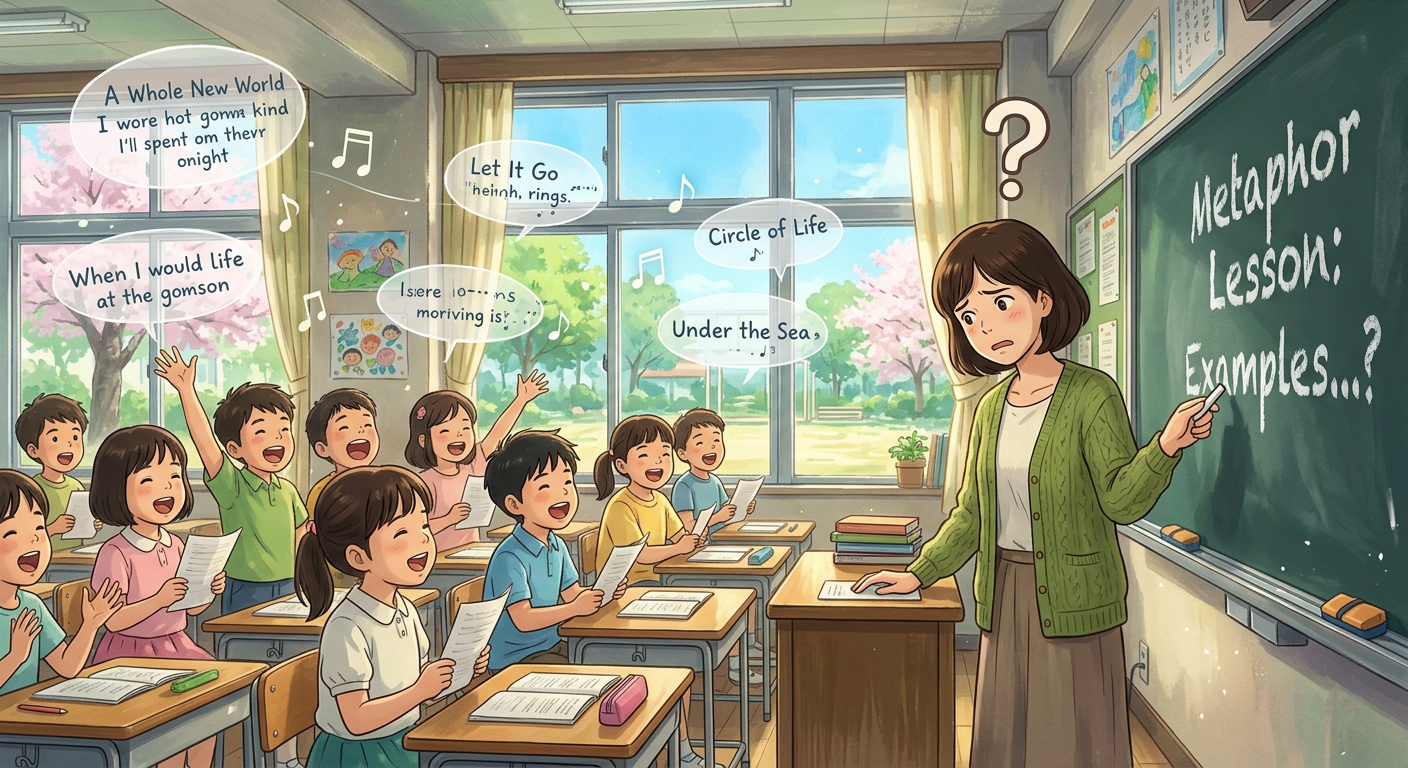
If your students already understand figurative language when it is set to music, that knowledge is not wasted. It is the starting point. Explore Teachertainment's Printables Store for ready-made bridging materials, or email jake@teachertainment.com if you want help building a bridge activity around whatever your students already have memorized.
