
Are Video Games Good for Children? A Parent's Reality Check
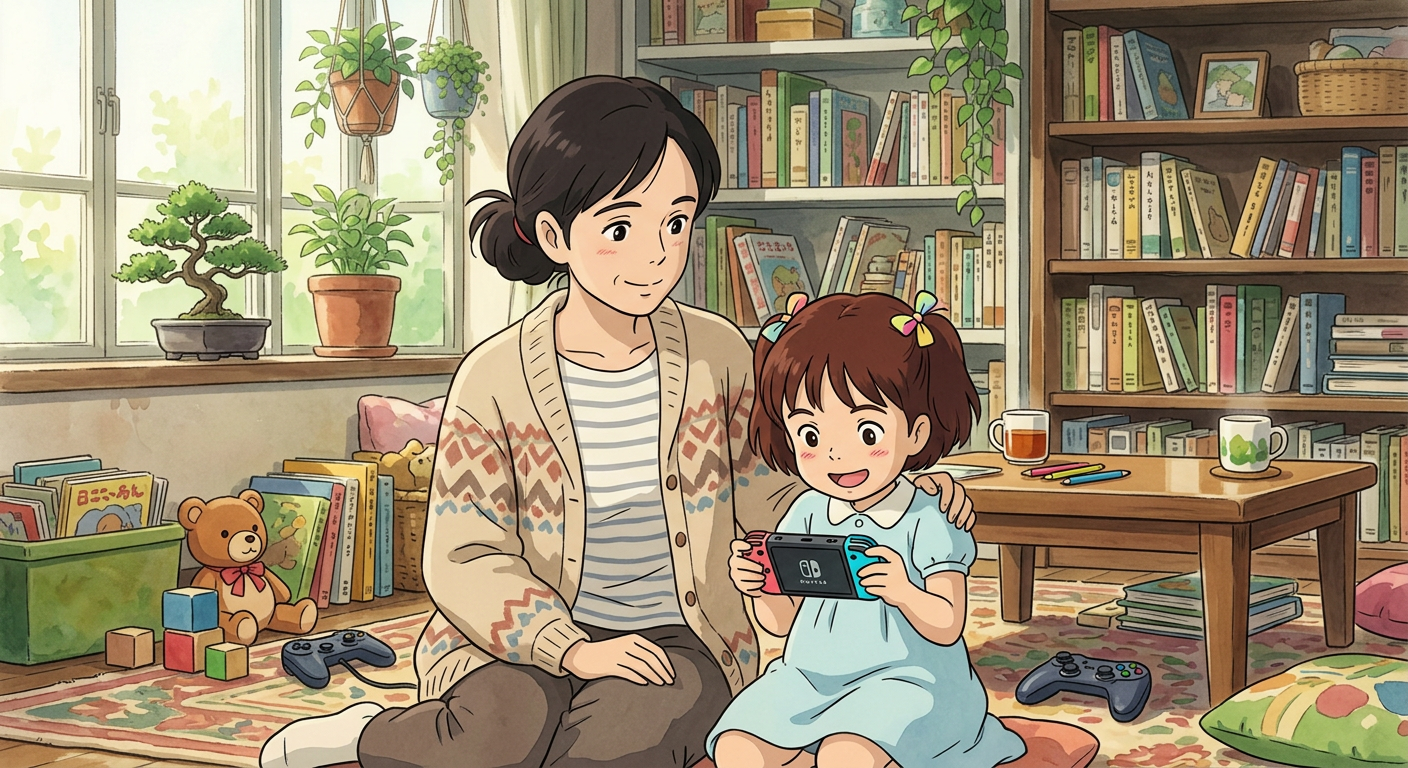
The controller is not a report card, but it can reveal how your child learns.
Super Mario does not hand players a forty-minute lecture before the first jump. The game gives a goal, quick feedback, another attempt, and a suspicious number of reasons to say, “Just one more level.” That design can support persistence and problem-solving. It can also make stopping very difficult.
So, are video games good for children? Teachertainment does not give parents a cartoon angel or villain. You will learn how to examine what a game asks your child to do, discuss the thinking behind play, and recognize when gaming is enriching life or crowding important parts of it out.
Are Video Games Good for Children? Ask What the Game Requires
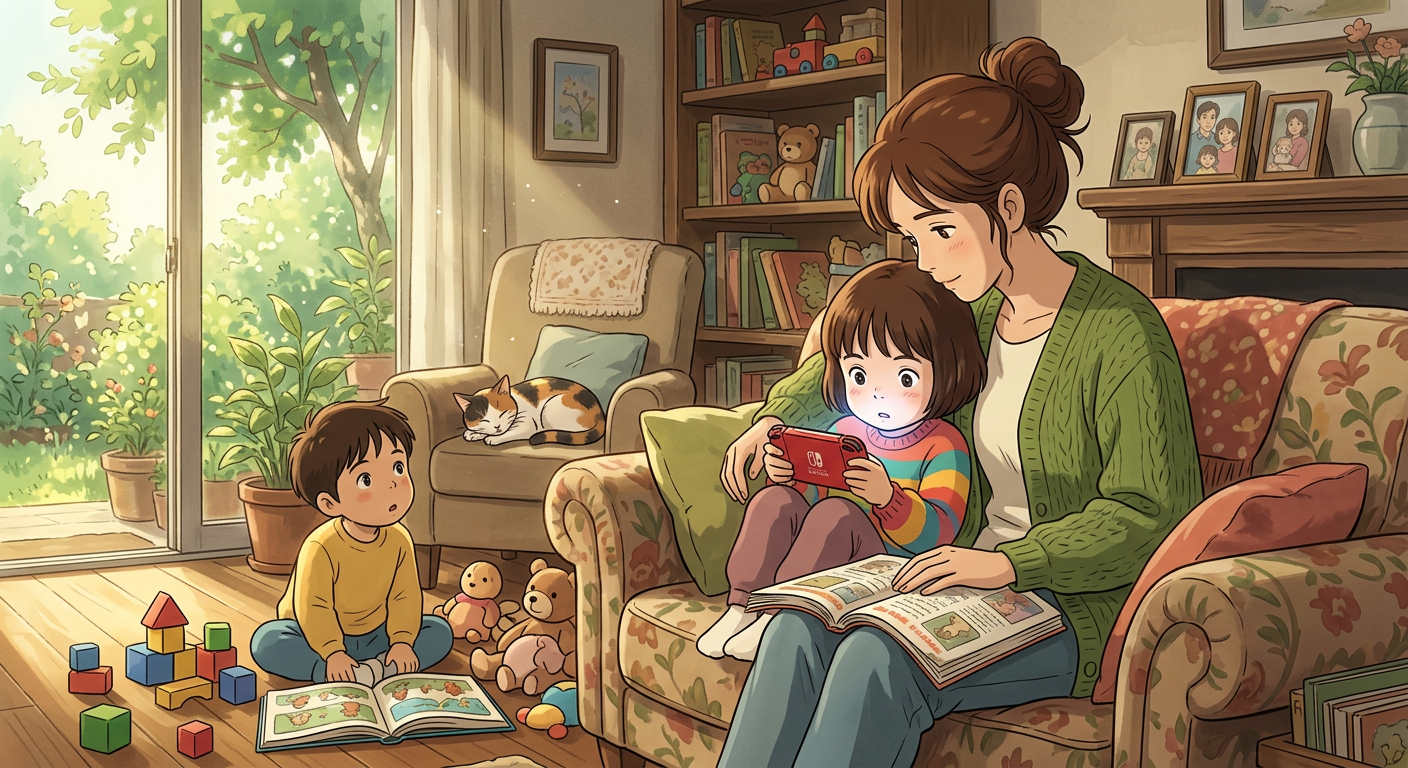
“Video games” is too broad a category for one verdict. A cooperative building game, a rhythm game, a sports simulation, and a game driven by purchases or endless rewards create different experiences. Watch the verbs. Is your child planning, reading, estimating, collaborating, designing, remembering patterns, or adjusting strategy after feedback?
Then watch the quality of the challenge. Productive play usually gives the player meaningful choices and information they can use on the next attempt. A child may practice spatial reasoning, systems thinking, resource management, storytelling, or communication without calling it homework.
The American Academy of Pediatrics' 2026 policy statement on children's digital ecosystems emphasizes quality, context, design, and the healthy activities media may displace. That is a better lens than treating every minute as identical. A game can contain useful thinking and still be a poor fit for your child, family, or current season.
Are Video Games Good for Children? Use a Three-Minute Debrief
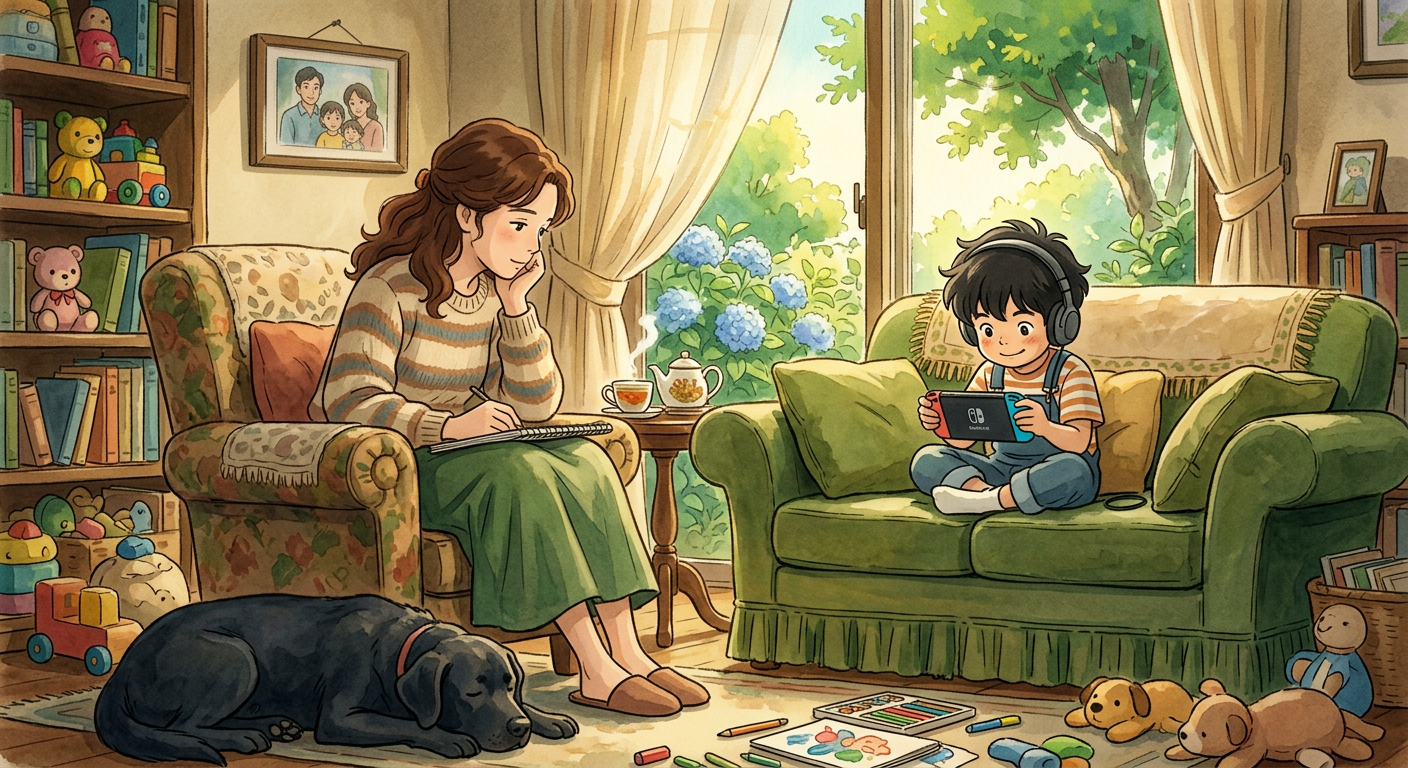
Do not turn every game into a worksheet wearing a mustache. Try a three-minute debrief after play instead. Ask one question from each category: “What was your goal?” “What did you change after something failed?” and “Where could that strategy work outside the game?”
Your child might explain that they saved resources for a later challenge, divided roles among teammates, reread a clue, or noticed an opponent's pattern. Those answers reach analysis and metacognition, higher levels of thinking than simply naming the game's characters. If the answer is “I do not know,” ask them to show you one decision during the next session.
Jake Perlman's entertainment and classroom experience informs this Teachertainment approach. A producer studies why an audience stays engaged. A teacher asks what the learner is actually doing. We have seen interest open the door to rigorous conversation, but the academic destination still needs intention. Enjoyment alone does not prove learning, and a clever debrief cannot make every game educational.
Notice When a Helpful Game Becomes an Unhelpful Pattern
Look beyond the timer. Can your child stop with a reasonable transition? Is gaming replacing sleep, movement, meals, schoolwork, in-person relationships, or activities they previously enjoyed? Are there unsafe chats, age-inappropriate content, distressing interactions, secret purchases, or repeated conflict about limits?
Some designs use frequent rewards, social pressure, purchases, and difficult exit points to prolong engagement. Your child is not morally weak because those features work. Set expectations before play, use parental controls, protect devices from bedrooms at night, and create a clear stopping cue. For online games, review privacy, communication, purchases, and reporting tools together.
Needs vary by age, temperament, development, and health. If gaming is linked to severe distress, aggression, school refusal, financial harm, unsafe contact, or major sleep disruption, involve the pediatrician, school, or an appropriate mental health professional. Teachertainment can support learning conversations. We do not diagnose problematic gaming or replace healthcare.
Turn Game Interest Into a Bridge, Not a Bargaining Chip
Use the interest to launch an adjacent task without making access to learning feel like punishment. A strategy-game fan can map decisions and consequences. A building-game fan can sketch scale, calculate area, or write design constraints. A story-game fan can compare a character's goal, obstacle, choice, and change.
Teachertainment's printables and creative learning resources include game and movie inspired activities across reading, math, SEL, and critical thinking. Choose a resource that matches the skill you want to practice, not merely the theme your child recognizes.
Our live post about bringing Super Mario inspired learning into academic work shows how familiar worlds can lower the entry barrier. Keep the bridge two-way. Children also need play that remains play, with no quiz waiting at the finish line.
Frequently Asked Questions
How can I tell if a video game is educational?
Ignore the label for a moment and observe the player's actions. Look for meaningful goals, useful feedback, reading, planning, creation, collaboration, problem-solving, or reflection. Ask your child to explain one decision and one adjustment. An “educational” badge does not guarantee strong learning design, and a commercial game may still exercise useful skills. Match any claim to evidence you can actually see.
Do video games improve problem-solving skills?
Some games require players to test strategies, read systems, detect patterns, manage resources, and revise after failure. Those are genuine problem-solving behaviors. Transfer beyond the game is not automatic, though. Help your child name the strategy and identify another setting where it applies. The type of game, quality of play, age of the child, and context all affect what is practiced.
How much gaming is too much for a child?
There is no single number that answers every family's situation. Consider age, content, design, school demands, sleep, movement, relationships, and whether the child can transition away. The AAP advises families to prioritize healthy activities and high-quality media. If play regularly crowds out essentials or creates significant distress, reduce access, examine the pattern, and seek professional guidance when needed.
Should I play video games with my child?
Occasional co-play can help you understand the game's goals, language, social features, purchases, and frustrations. Let your child teach you one mechanic and explain one decision. You do not need to become an expert or join every session. The purpose is connection and media literacy, not surveillance. Keep age-appropriate privacy and independence in mind as children grow.
Where can I find learning activities connected to games?
Teachertainment's educational printables store includes activities inspired by familiar game and entertainment themes across multiple subjects and grade bands. Review the stated skill and level before choosing. A recognizable theme can invite participation, but it does not replace good instruction, clear directions, or a task that matches your child's current learning need.
Can Teachertainment help if gaming and schoolwork are constantly in conflict?
Teachertainment's family consultation service can help organize learning routines, interests, schedules, and educational next steps. It is not mental health treatment or a diagnosis of gaming disorder. When conflict includes severe emotional distress, unsafe behavior, major sleep loss, or worsening functioning, contact a pediatrician or qualified mental health professional as well.
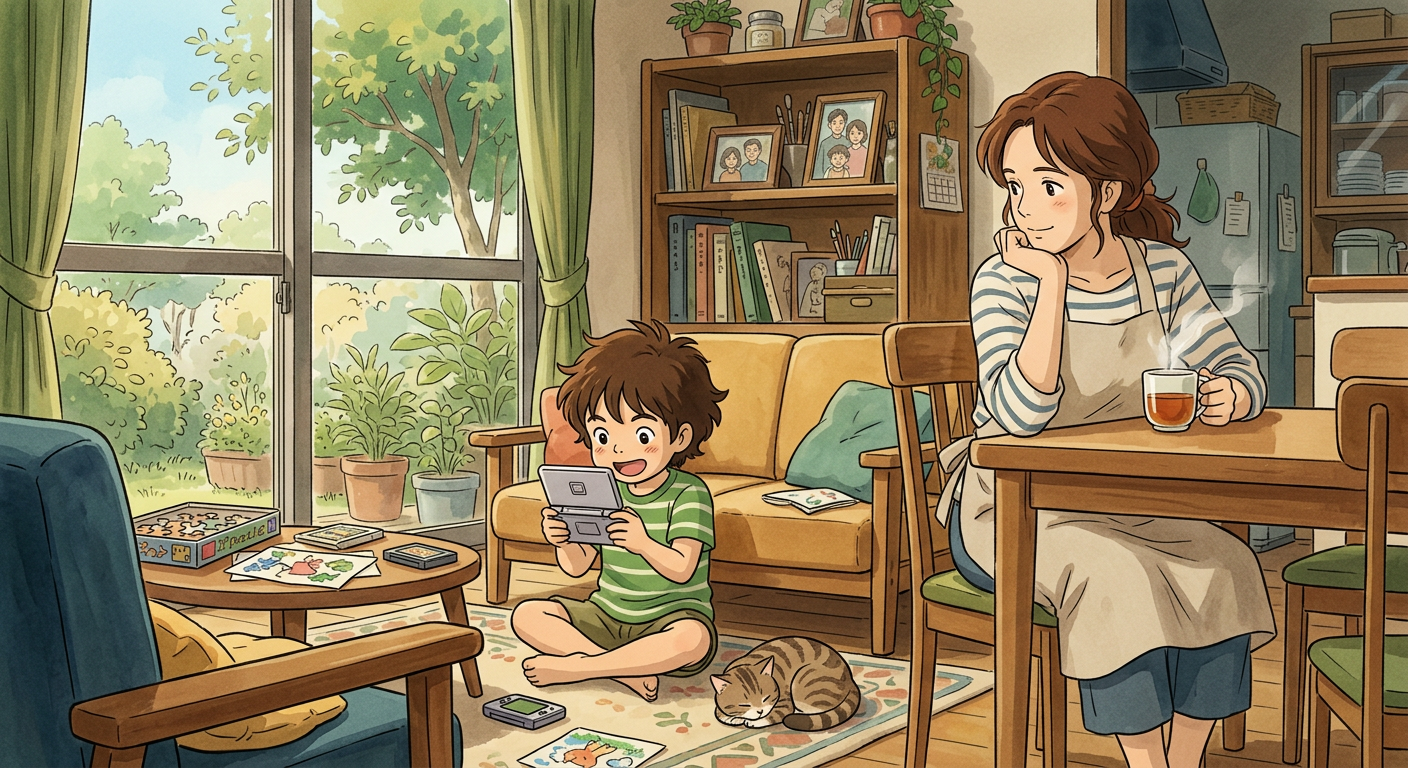
When parents ask, “Are video games good for children?” the useful answer lives inside the design, the child, and the rest of the day. Teachertainment's creative educational resources can turn game interest into purposeful practice without pretending every controller is a textbook. Email jake@teachertainment.com with questions. Watch one level, ask one smart question, and choose the next move together.
