
How Do I Respond to a Teacher Email About a Problem With My Child?

The first email is the opening scene, not the final verdict.
On Abbott Elementary, one awkward school moment can become a full cold open before anyone has the complete story. A teacher email can feel the same way. You see “concern,” your stomach drops, and your fingers start drafting a courtroom closing argument from the grocery store parking lot.
Before you respond to a teacher email about a problem, let Teachertainment help you slow the scene down. You will get a four-part reply script, practical questions that uncover what happened, and a clear way to decide whether the next step belongs in email, on a call, or in a meeting.
How to Respond to a Teacher Email About a Problem Without Getting Defensive

Read the message once for facts and once for requests. Separate what the teacher observed from what you fear the observation means. “Jordan called out four times during math” is an observation. “The teacher thinks Jordan is a bad kid” is an interpretation your nervous system may have added.
Wait until you can write calmly, but acknowledge the message within one school day when possible. If you need more time, send one line: “Thank you for letting me know. I want to think this through and will reply tomorrow.” A measured pause protects the relationship better than either instant defensiveness or silence.
Do not interrogate your child before replying. Ask for their version with a neutral prompt such as, “Your teacher mentioned that math felt difficult today. What do you remember?” Children may omit details, teachers may miss context, and parents may receive only the final scene. Your job is to gather perspectives before choosing a conclusion.
A Four-Part Script to Respond to a Teacher Email About a Problem

Keep the first reply short enough to read between classes. Use four parts, each with one job. This is the email equivalent of a clean script with no unnecessary subplot.
1. Acknowledge
“Thank you for telling me about what happened during math today.” You are recognizing the communication, not agreeing with every interpretation.
2. Clarify
“Could you share what happened immediately before and after the calling out?” Ask for observable details, frequency, timing, and impact.
3. Add Useful Context
“Jordan said the new fraction work felt confusing, and we have noticed similar frustration at home.” Offer information, not an excuse.
4. Propose One Next Step
“Would it help if we tried a reminder cue this week and checked in Friday?” One testable action creates formative assessment for everyone.
Ask Questions Before You Agree on the Next Step
A problem email may describe behavior, missing work, a peer conflict, a grade change, or a pattern of disengagement. Ask how often it occurs, where it occurs, what the class was doing, what support has already been tried, and whether the teacher sees the same issue in other subjects or settings.
Jake Perlman's background in journalism, classrooms, and entertainment informs our approach at Teachertainment. A reporter checks the source. A teacher looks for the learning need. A producer asks what the next scene requires. We do not treat one dramatic moment as the entire season.
The U.S. Department of Education's Dual Capacity-Building Framework for Family-School Partnerships centers partnership around student success rather than one-way communication. Our post on parents supporting the story without controlling every scene makes the same point in Teachertainment language. Bring observations, questions, and one workable next step.
Know When Email Should Become a Conversation
Email works well for acknowledging a concern, exchanging simple facts, confirming a plan, and creating a written record. Move to a phone call or meeting when the issue is emotionally charged, the timeline is disputed, several adults are involved, accommodations may be relevant, or the thread keeps producing longer replies without greater clarity.
Use school procedures immediately for urgent safety concerns, threats, bullying, discrimination, suspected abuse, or a serious health issue. Do not leave an emergency sitting in an inbox. Contact the appropriate school office or emergency service based on the situation and local policy.
For recurring academic or routine concerns, Teachertainment's parent and family workshops help families build practical communication, independence, and learning routines. A workshop can strengthen general skills. It does not replace an IEP or 504 process, a formal complaint procedure, legal advice, or qualified clinical support when those are needed.
Frequently Asked Questions
How quickly should I reply to a teacher's email?
Acknowledge the message within one school day when possible, even if you need longer to provide a full response. A short note can say that you received the concern and will reply after gathering information. Schools have different schedules and communication policies, so do not assume an evening email requires an evening answer. Calm and clear is more useful than immediate and reactive.
Should I apologize for my child in the first reply?
You can express concern for the impact without deciding the entire story. Try, “I am sorry the disruption affected the lesson, and I would like to understand what led to it.” That language recognizes the classroom while leaving room for context. Avoid forcing your child to apologize before they understand what happened, what responsibility they hold, and how they can repair the situation meaningfully.
What if my child tells a different story than the teacher?
Do not choose a winner by email. Tell the teacher that your child remembers the event differently and ask to compare timelines, exact words, and what happened before and after the incident. Children and adults can notice different pieces of the same moment. Focus on the evidence, impact, and support needed next rather than proving that one person is entirely wrong.
Can I ask for a phone call instead of continuing the email thread?
Yes. A call is often better when tone is being misread, the issue has several layers, or the replies are getting longer without resolving anything. Suggest two or three possible times and briefly state what you hope to clarify. After the call, send a concise email confirming the agreed steps, who is responsible for each one, and when you will review progress.
Can Teachertainment help parents communicate more effectively with schools?
Teachertainment's practical workshops for parents and families help caregivers support learning, build routines, and approach home-school challenges with usable tools. They can give a community shared language for common situations. A workshop is educational support, not legal representation or individualized special education advocacy, so families should use formal school processes when rights or services are at issue.
What if the email reveals a larger academic or routine problem?
Collect examples from school and home, identify when the pattern began, and agree on one short trial with a review date. Teachertainment's family consultation and educational planning service can help organize observations, routines, and questions for the school. If the concern involves health, disability, safety, or significant emotional distress, include the appropriate school specialists and qualified healthcare professionals.
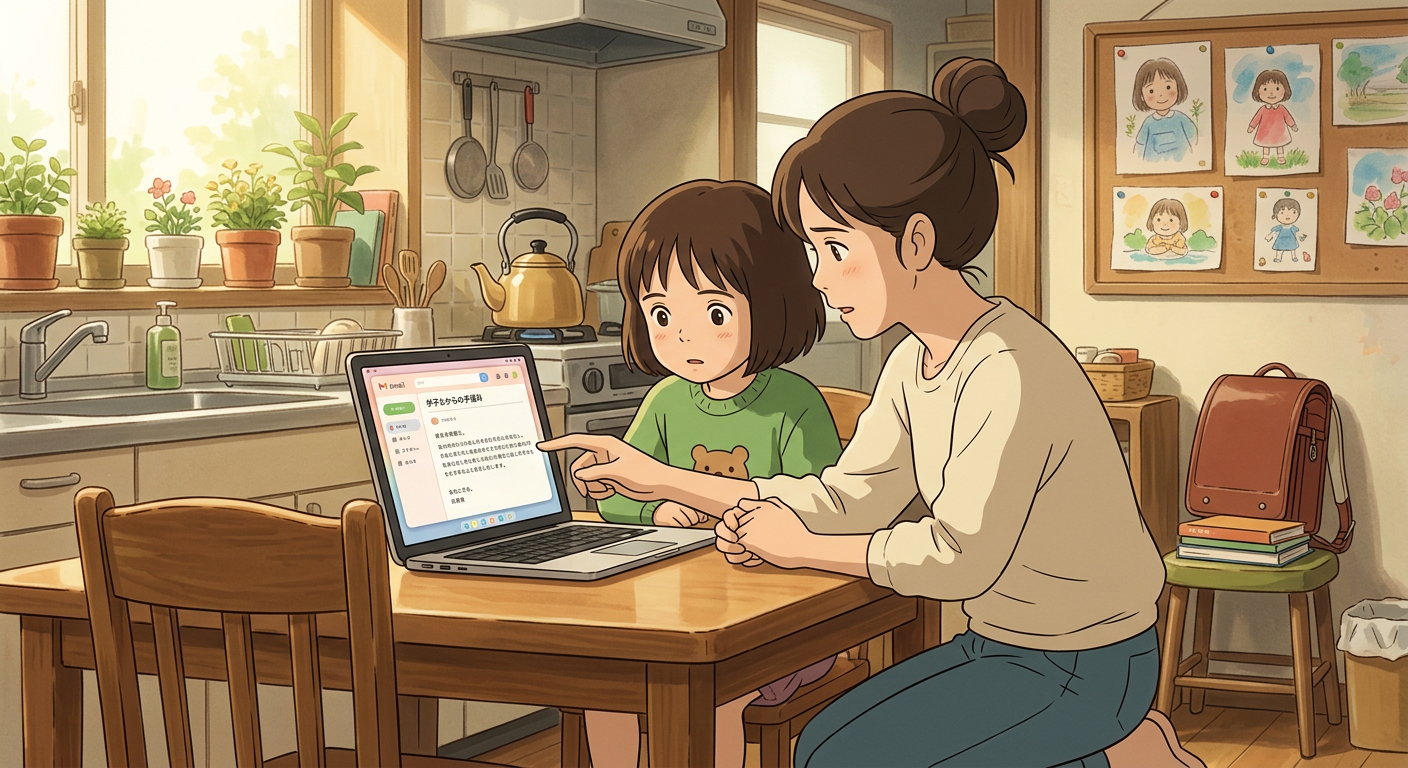
When you respond to a teacher email about a problem, your first goal is not to win the thread. It is to open a useful partnership around your child. Teachertainment's parent and family workshops can help families build that communication muscle. Email jake@teachertainment.com to discuss a workshop for your community. Send the reply that invites the next clear scene.
