

How Early Should a Student Start Private-School Interview Preparation in Los Angeles?
Los Angeles private-school interview timing depends on each school’s application steps, grade level, format, and available appointments. This guide helps families map deadlines, confirm when an interview can be scheduled, account for schoolwork and local travel, and use a focused preparation timeline instead of waiting for a stressful final-week rush.

How Can My Child Sound Prepared in an Interview Without Sounding Rehearsed?
Students can prepare for an admissions interview without memorizing a performance. This guide shows families how to build flexible story anchors, vary practice questions, strengthen listening and recovery skills, and give useful feedback while protecting the child’s natural language, personality, and ability to respond to the conversation in front of them.
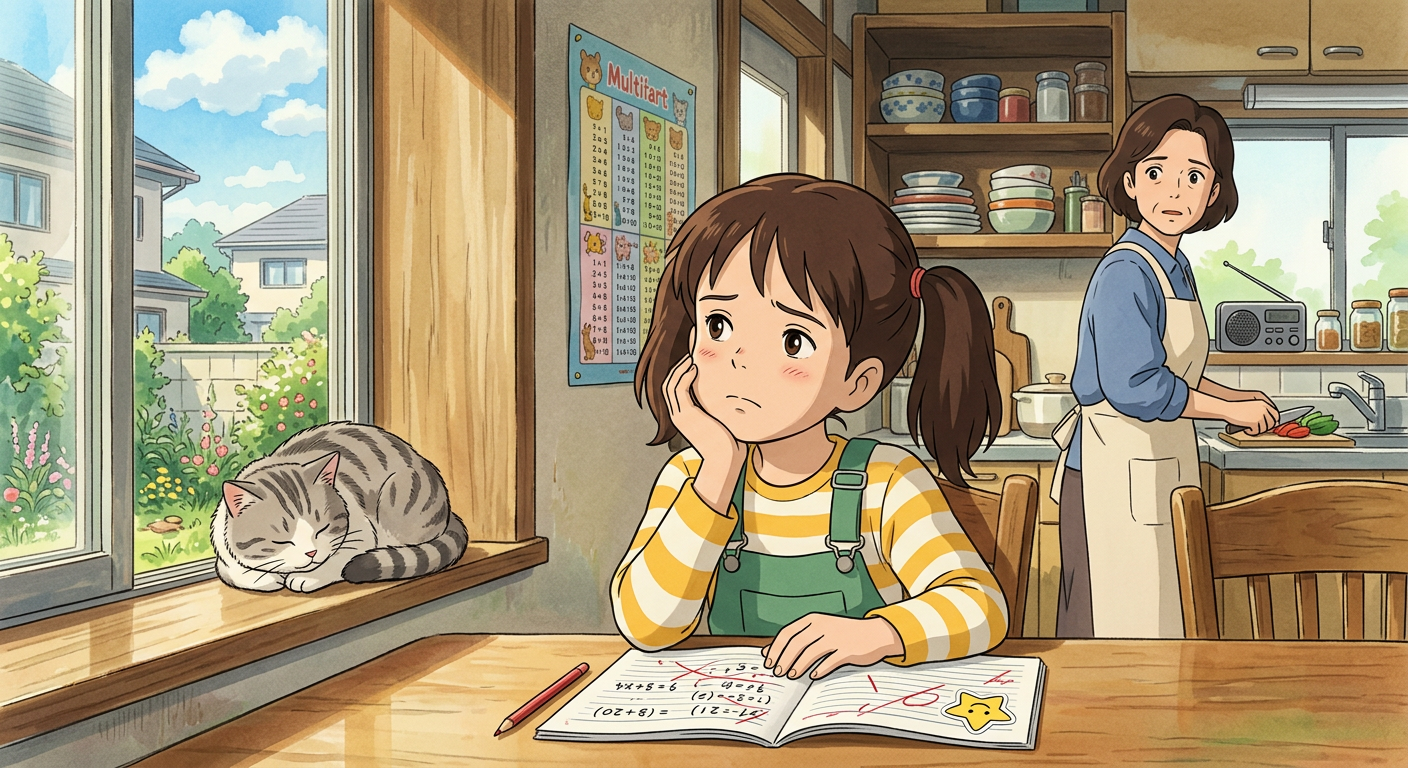
My Child Gives One-Word Answers in Interviews. How Can We Help Them Open Up?
Private-school interviews vary, but many questions explore a student’s interests, learning experiences, challenges, community fit, and curiosity. This parent guide organizes the most common question categories, explains what schools may be trying to learn, and offers a practical way to prepare without supplying or memorizing the child’s answers.
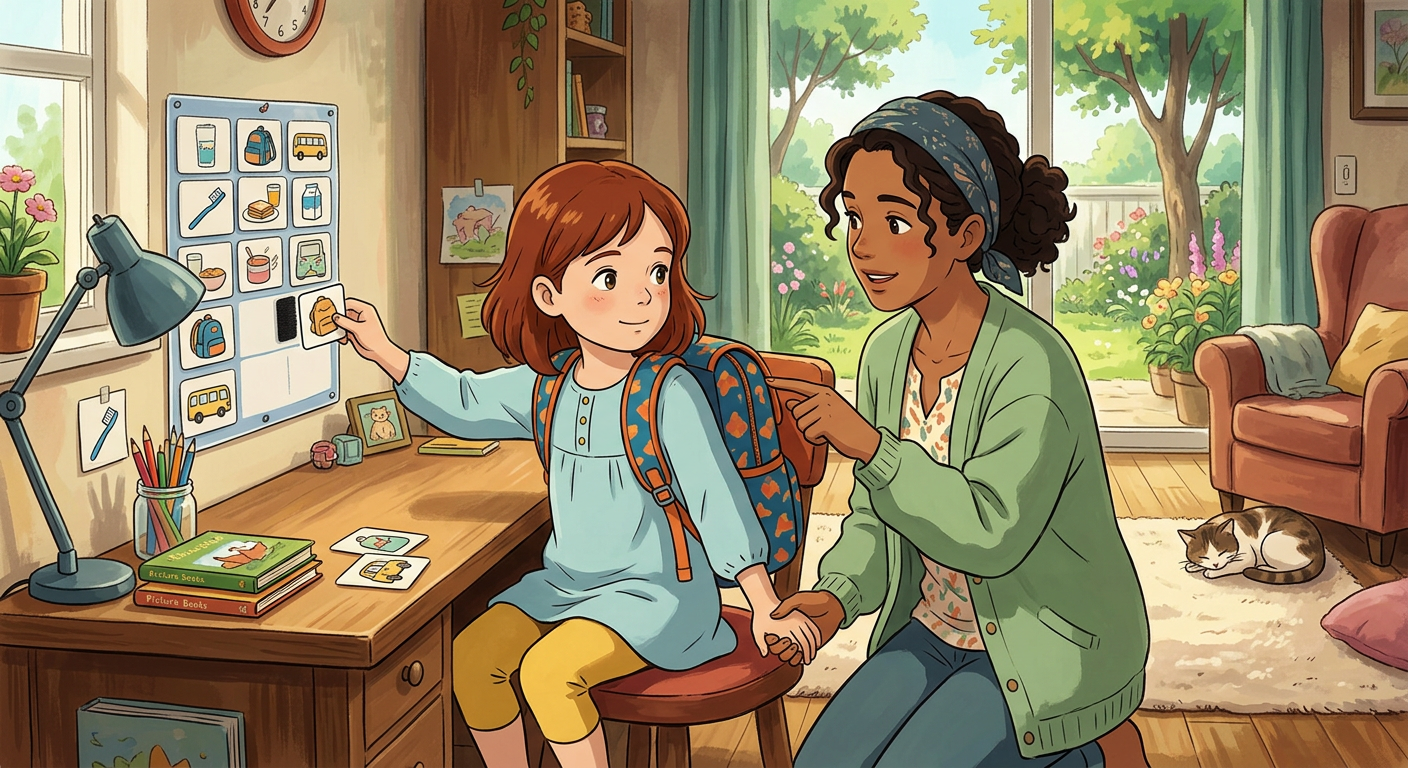
What Questions Should My Child Expect in a Private-School Interview?
Private-school interviews vary, but many questions explore a student’s interests, learning experiences, challenges, community fit, and curiosity. This parent guide organizes the most common question categories, explains what schools may be trying to learn, and offers a practical way to prepare without supplying or memorizing the child’s answers.
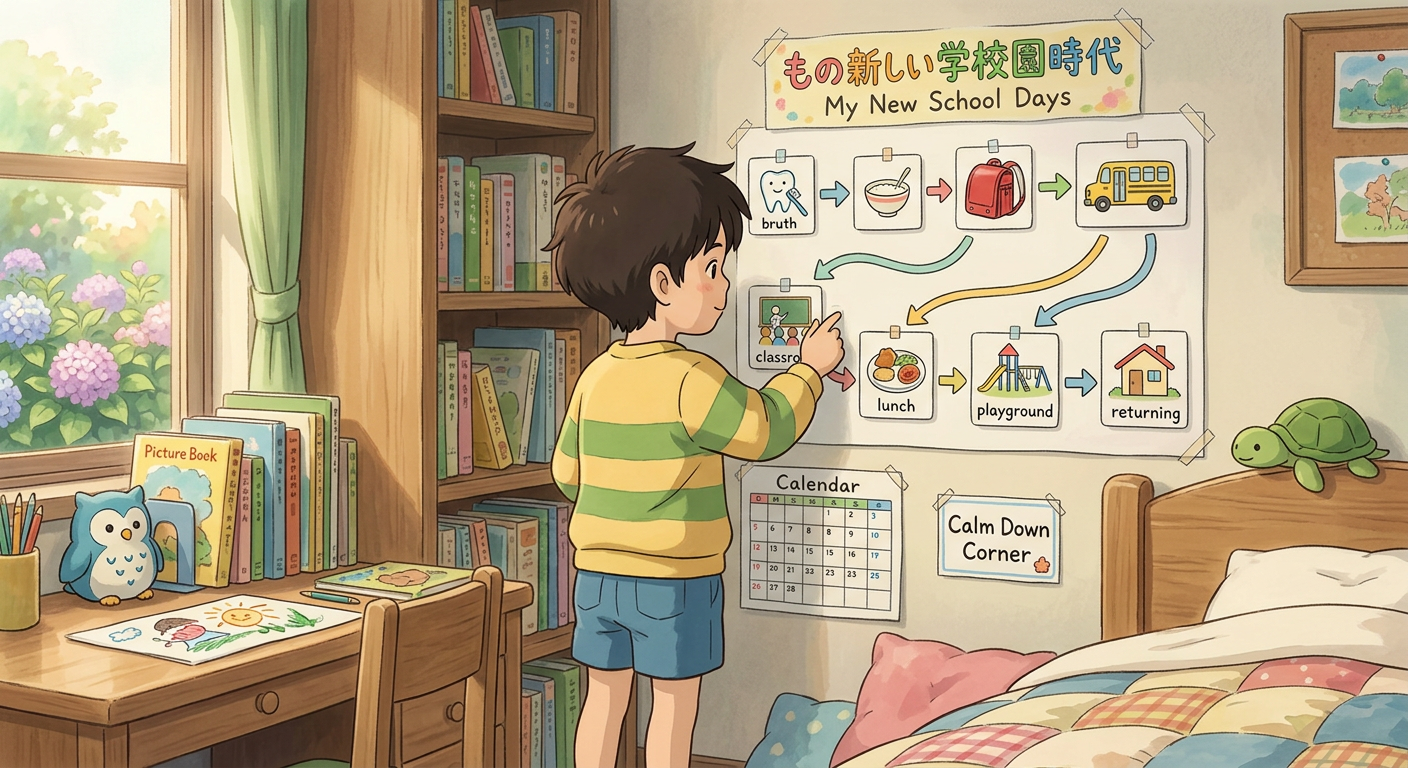
My Child's Practice-Test Scores Keep Changing. Are They Actually Improving?
Practice-test scores can rise and fall even when a student is learning. This guide helps parents compare testing conditions, question types, pacing, repeated errors, and strategy use across several attempts, so that one unusually high or low result does not control the preparation plan or the conversation at home.
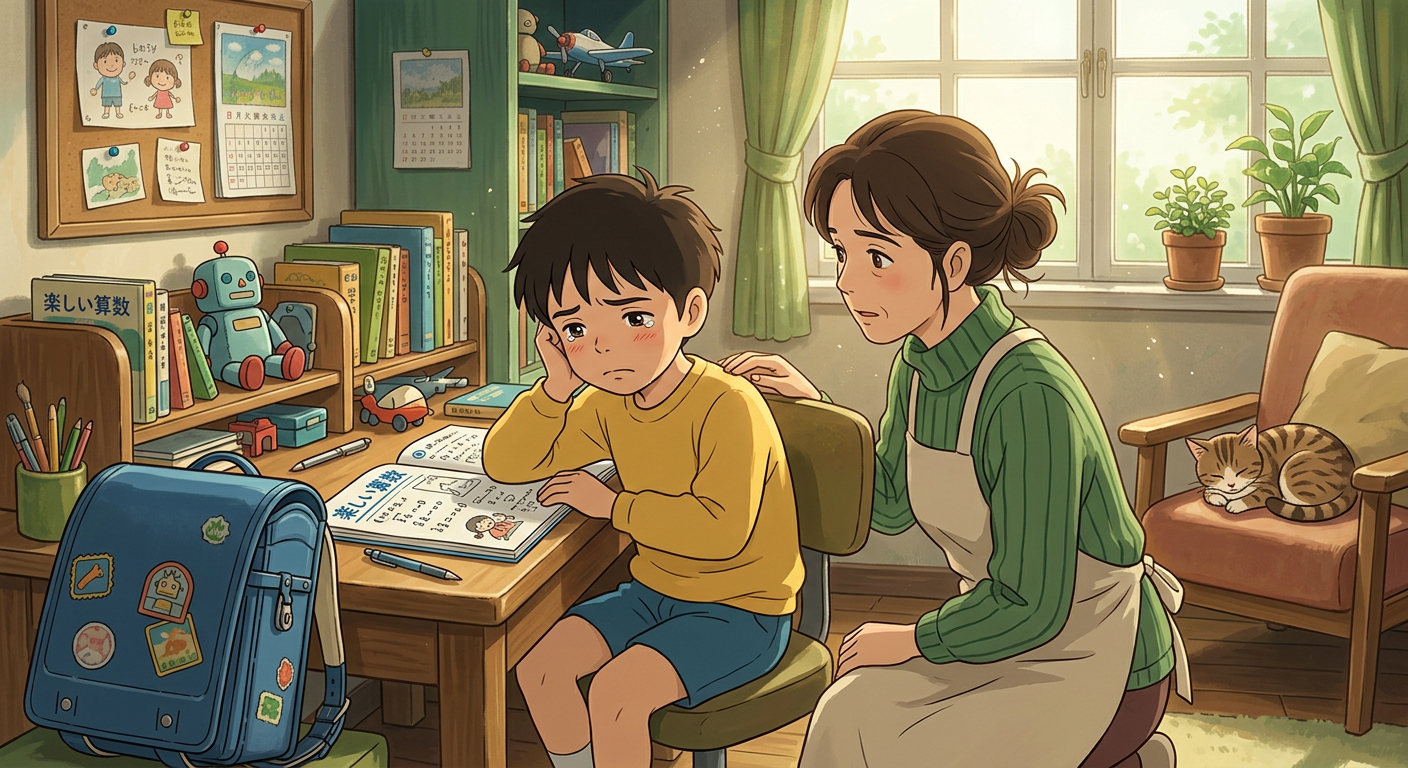
My Child Keeps Running Out of Time on Tests. How Can They Learn to Pace Themselves?
Does your child understand the material but still run out of time on tests? This guide shows families how to identify where minutes disappear, create useful checkpoints, practice deliberate skipping and recovery, and build calmer pacing habits without turning homework or every practice set into a race.

Test Prep Tutor, Group Class, or Self-Study: Which Option Fits My Child?
Should your child use a private test prep tutor, join a group class, or study independently? This guide compares feedback, pacing, structure, motivation, schedule, and skill needs so families can choose the format that fits the learner instead of assuming one option works best for everyone.
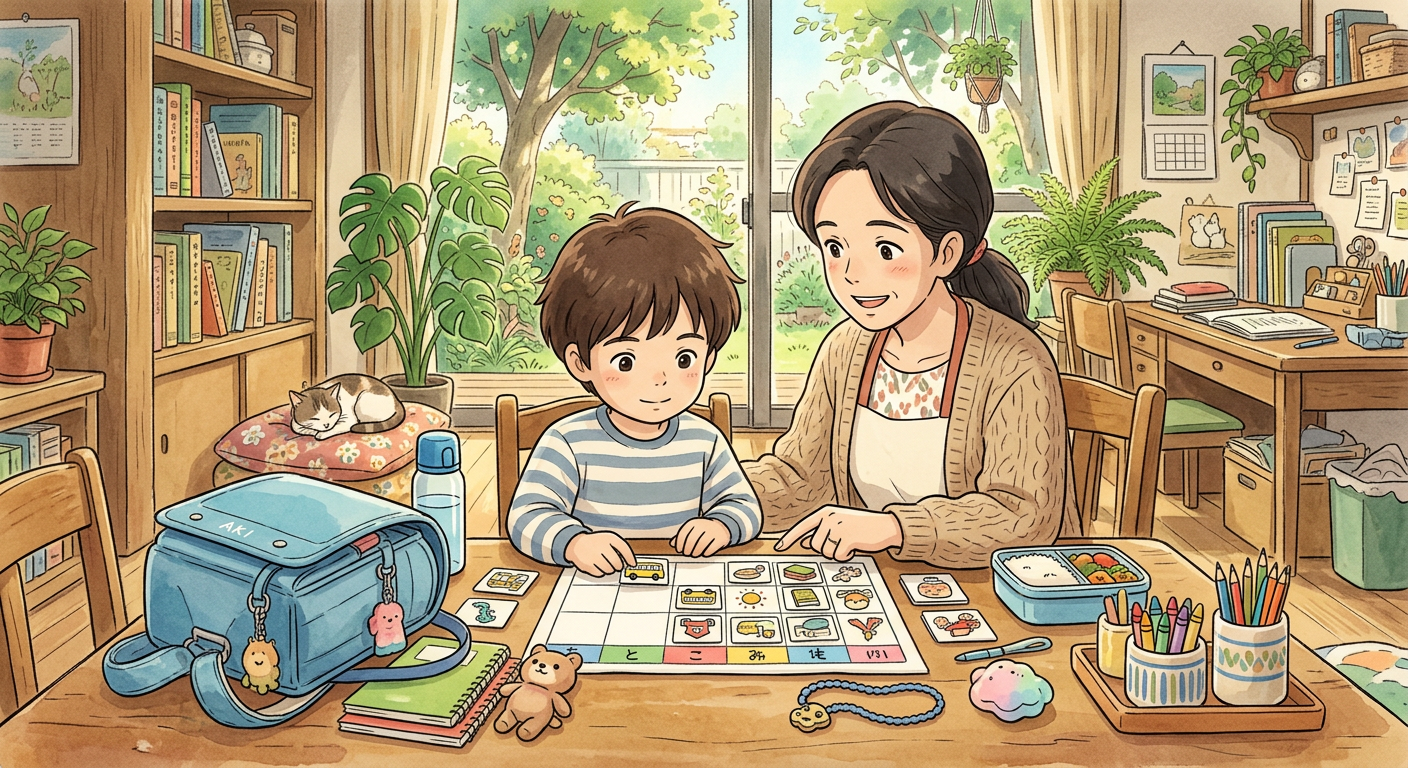
How Long Should a High School Student Study for the SAT Before Test Day?
How long should a high school student study for the SAT? This guide helps families use a diagnostic, test date, school calendar, and weekly availability to choose a realistic timeline, organize preparation into manageable phases, and protect classes, activities, sleep, and ordinary teenage life throughout the process.

When Should My Child Start Preparing for the ISEE or SSAT?
Wondering when your child should begin ISEE or SSAT preparation? This guide explains how to work backward from school deadlines, use a diagnostic, choose a realistic lead time, and build a weekly routine that supports steady progress without overwhelming schoolwork, activities, sleep, or family life.

ISEE or SSAT: Which Private-School Entrance Exam Does My Child Need in California?
Not sure whether your child needs the ISEE or SSAT for a California private-school application? This guide compares test levels, sections, scoring rules, and preparation considerations, then shows families how to confirm each school’s requirements and choose one focused path without preparing for both exams by default.

Teachertainment: The Complete Guide to Our Method, Our Services, and the Story Behind Both
The opening credits tell you who made the story. This guide shows you why every part belongs.
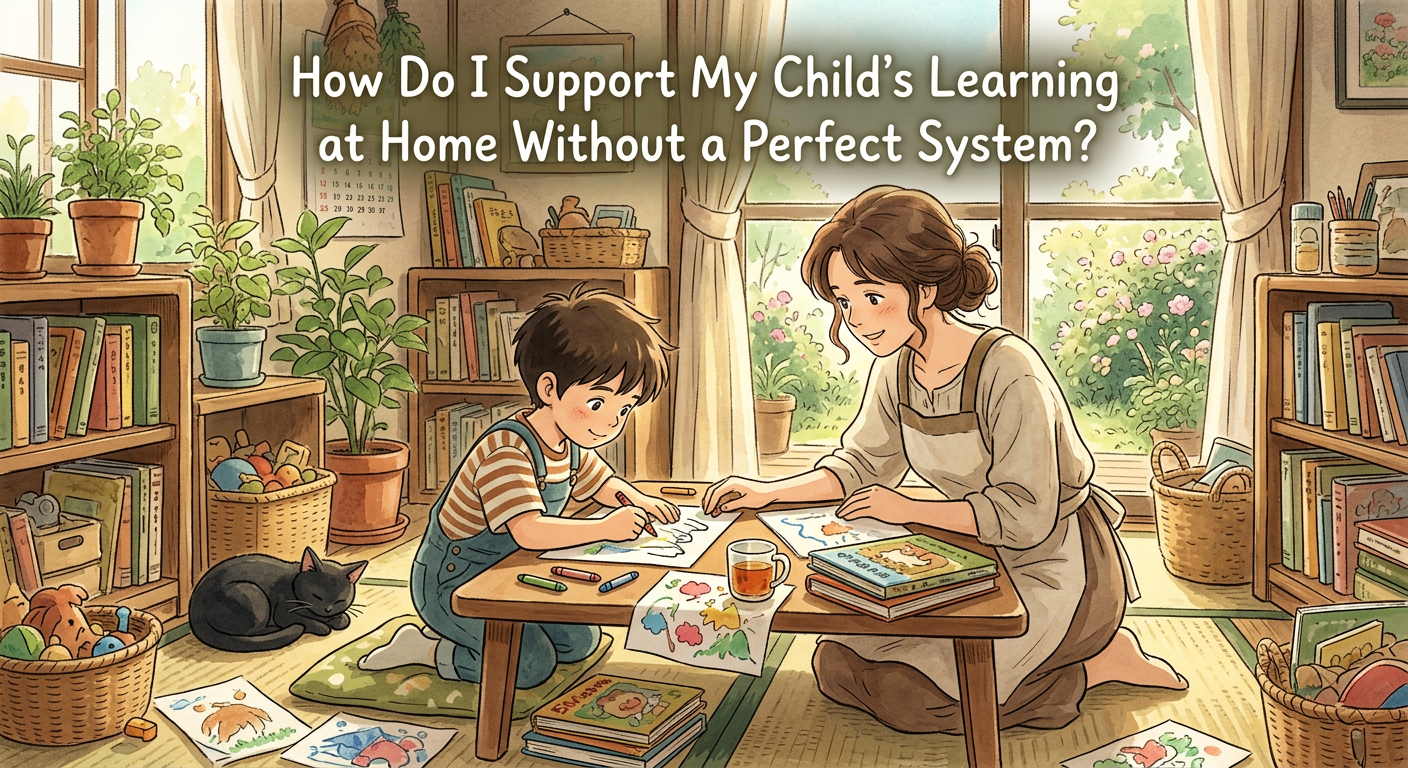
How Do I Support My Child's Learning at Home Without a Perfect System?
Your family does not need matching planners. It needs a system everyone can actually use.
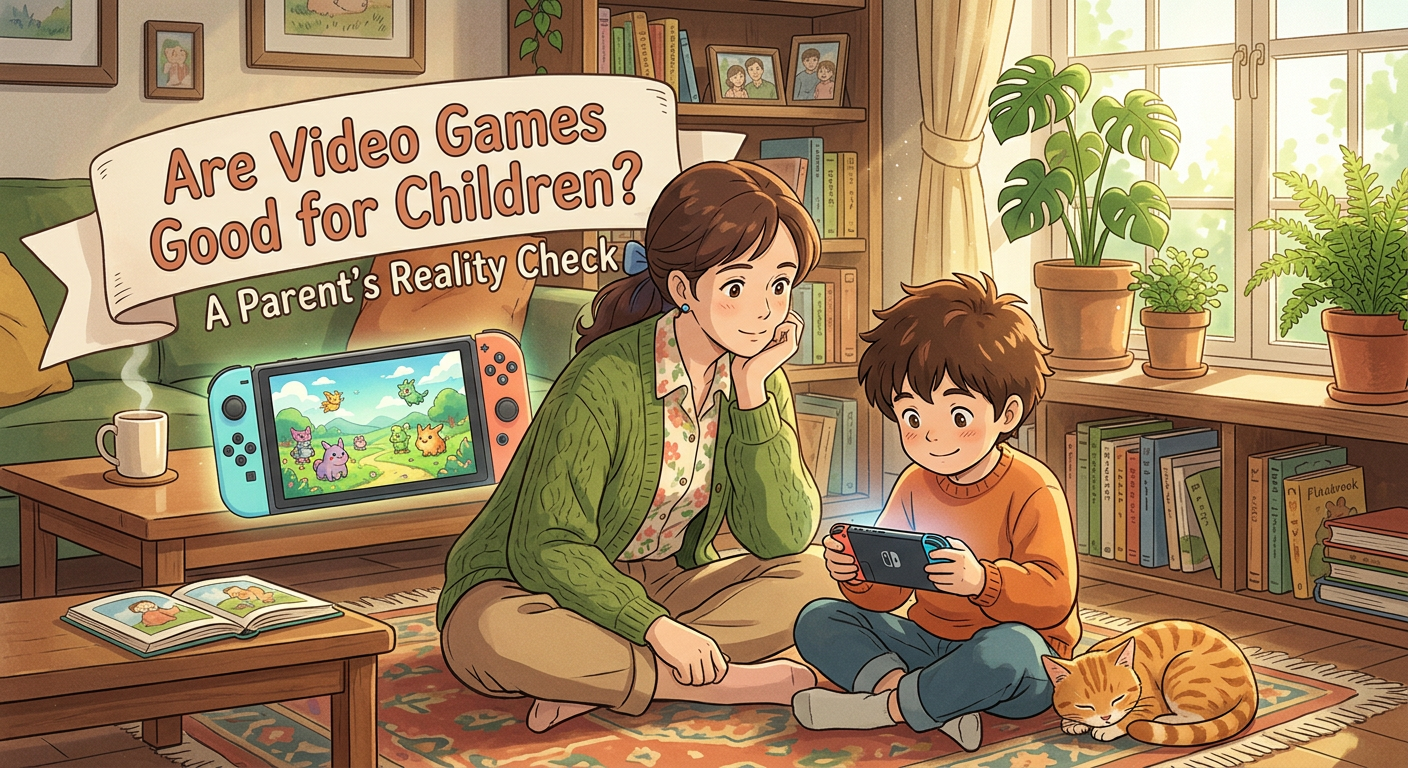
Are Video Games Good for Children? A Parent's Reality Check
The controller is not a report card, but it can reveal how your child learns.

Twenty Minutes to Help My Child Learn: Is That Really Enough?
A short episode can still have a beginning, a middle, and a useful ending.

My Child Says They Are Bad at School. Where Do I Start?
One difficult chapter does not get to name the whole hero.

How Do I Respond to a Teacher Email About a Problem With My Child?
The first email is the opening scene, not the final verdict.

How Do I Prepare a Neurodivergent Child for Back to School When Routine Changes Are Hard?
Back to school is a new season. Some children need the trailer before the premiere.

Can I Use a Phone to Help My Child Read Instead of Fighting Screen Time?
The phone does not have to be the villain. It can audition for a better role.

My Child Suddenly Hates a School Subject They Used to Love. What Changed?
Because sometimes the subject is not the villain. The plot around it changed.
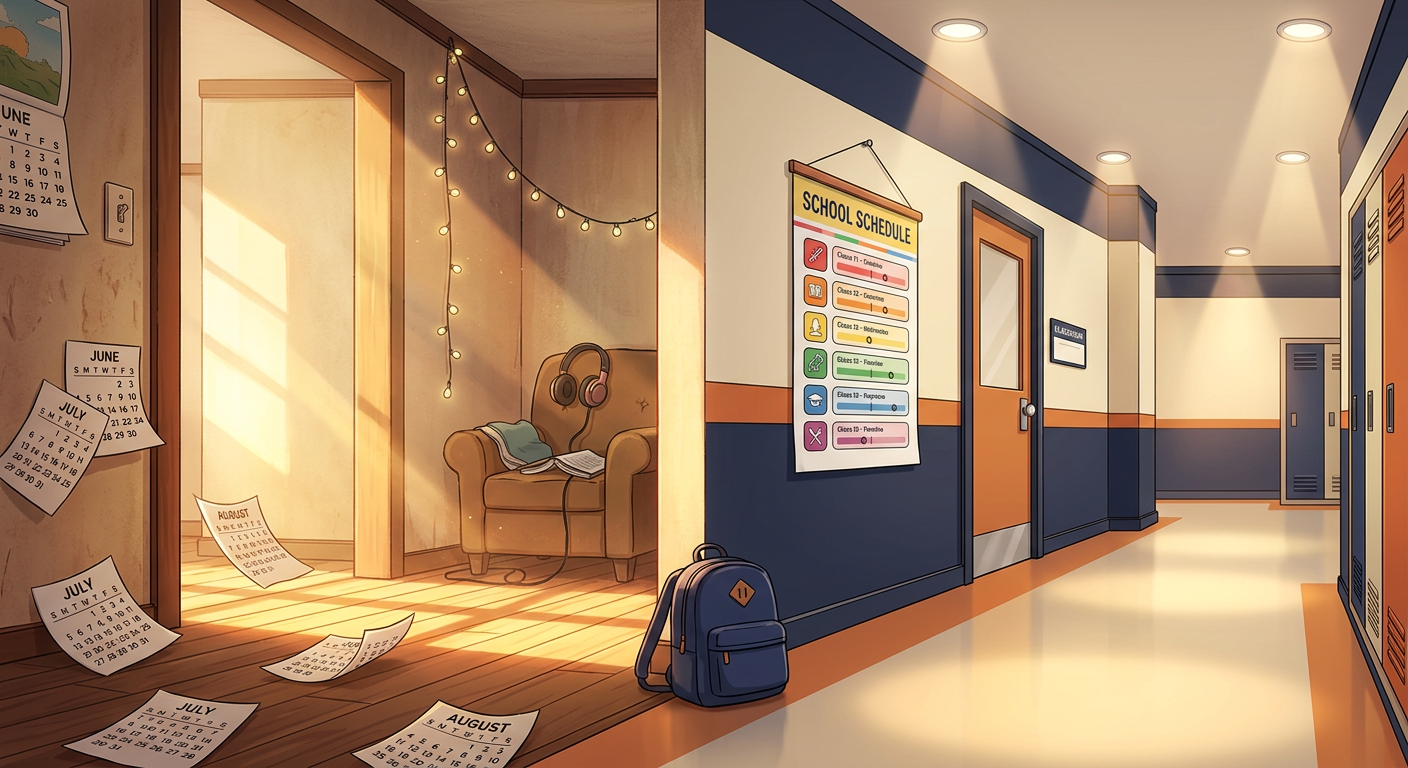
My Kid Was Excited About School in June and Dreads It by August. Is This Back-to-School Anxiety?
Because sometimes the biggest back-to-school mystery is what changed between the final bell and the first backpack.