

My Quietest Students Never Raise Their Hand. Am I Actually Reaching Them?
A student who never raises their hand is not necessarily disengaged or struggling. Hand-raising measures confidence and processing speed, not understanding. This post explains why that signal is unreliable and offers three practical ways to check what a quiet student actually knows, drawing on a casting insight about performers whose real ability only shows once you look past how they present in the room.

Why Do My Best Lesson Plans Fall Apart the Moment I Actually Teach Them?
A lesson that reads perfectly on paper can still fall apart the moment you actually teach it. This post explains why a lesson plan and a live lesson are structurally different things, the way a script and a performance are, and gives a specific table-read process for catching timing and clarity gaps before they show up in front of a real room.

My Struggling Readers Refuse to Pick Up a Book But Will Read Anything About Their Favorite Game. Should I Let Them?
A reluctant reader who refuses a novel but devours dense material about their favorite video game is not avoiding reading. They are demonstrating a real reading skill in a context that motivates them. This post explains why that engagement counts, and gives a specific bridge structure for connecting it to the wider range of reading a student needs over time.

I've Been Teaching the Same Lesson Plans for Years and I'm Bored Too. Is That a Problem?
If you are bored teaching a lesson you have delivered for years, your students can probably tell, even if the content itself has not changed. This post explains why teacher affect genuinely matters to engagement, and borrows a technique from performers doing eight shows a week to help you find something authentically fresh inside a lesson you know by heart.

One Student Changes the Energy of My Whole Class Every Day. What Do I Do?
One student's energy can reshape the mood of an entire classroom every single day. This post explains why shrinking that energy down usually backfires, and offers a structural approach, borrowed from how experienced directors manage big performers, for giving that energy a legitimate job in the room instead of only working to suppress it.

I Ask a Question and Get Silence Every Time. How Do I Get My Class Talking?
You ask a question and the room goes completely silent every time. This post explains why that silence is almost always a risk calculation rather than a comprehension gap, and gives four specific question structures, borrowed from how improv performers warm up a quiet audience, that make the first response feel safer to give.

My Gamified Lessons Worked for a Month and Now My Students Are Bored of Those Too. What Comes Next?
Your gamified lessons worked brilliantly for a month and now they are falling flat too. This post explains gamification fatigue, why even well-designed game mechanics lose steam over time, and a rotation structure borrowed from how long-running entertainment properties keep their audience that keeps a classroom's energy fresh all year.

I Teach the Same Lesson to Every Student, and Half of Them Are Bored While the Other Half Are Lost. What Now?
One lesson, one pace, one level of complexity delivered to a room full of students at wildly different starting points. This post breaks down why that mismatch causes half the room to disengage from boredom and the other half from being lost, and offers a three-step structure, borrowed from how a Broadway ensemble number works, for reaching every student without writing three separate lesson plans.

My Students Can Quote Every Disney Song by Heart But Freeze When I Ask Them to Find a Metaphor. What Am I Missing?
A student who freezes on a poem but knows every word of their favorite song is not missing the skill. They are missing the bridge. This post breaks down why figurative language does not transfer automatically from familiar to unfamiliar text, and gives a three-step activity that makes the bridge explicit instead of assuming students will find it themselves.

Half My Class Checks Out the Moment I Start Talking. What Am I Doing Wrong?
Every play has a second act problem, and so does every fifty-minute lesson. This post breaks down why students check out the moment you start talking, what is actually happening cognitively when they do, and a specific pacing structure borrowed from live theatre that you can build into your very next lesson.

My Child Hates Reading. How a Private Tutor Can Help Build a Real Love for Books
When a child says they hate reading, they are not rejecting literacy. They are rejecting the reading they have been given. This post breaks down the three real types of reading resistance, how the Teachertainment approach rebuilds the reading relationship through pop culture bridges and genuine student choice, and what parents can do at home to make reading a normal part of life without the battle.

Screen Time Is Hurting My Child's Grades. How Tutoring Adds the Structure They Need
Screen time is not making your child lazy. It is making focused academic work physiologically harder by training the brain to expect rapid stimulation and reward. This post explains exactly what is happening neurologically, why willpower-based solutions fail, and how the right tutoring creates the structure and engagement that makes academic work genuinely competitive with screens.

My Child Has a Learning Difference. Can a Private Tutor Still Help?
A learning difference does not mean a learning ceiling. This post explains what learning-differences-informed tutoring actually looks like, what it can genuinely do for your child, what it cannot replace, and how Teachertainment's strength-based approach is particularly effective for students whose brains process information differently.

How to Get Your Student Back on Track After a Bad Semester
A bad semester grade report feels like a verdict. It is not. It is data. And data tells you what to do next. This post walks you through a four-step plan for reading the report correctly, having the right conversation with your child, identifying what specifically needs to change, and building a recovery plan that actually works before the next semester begins.
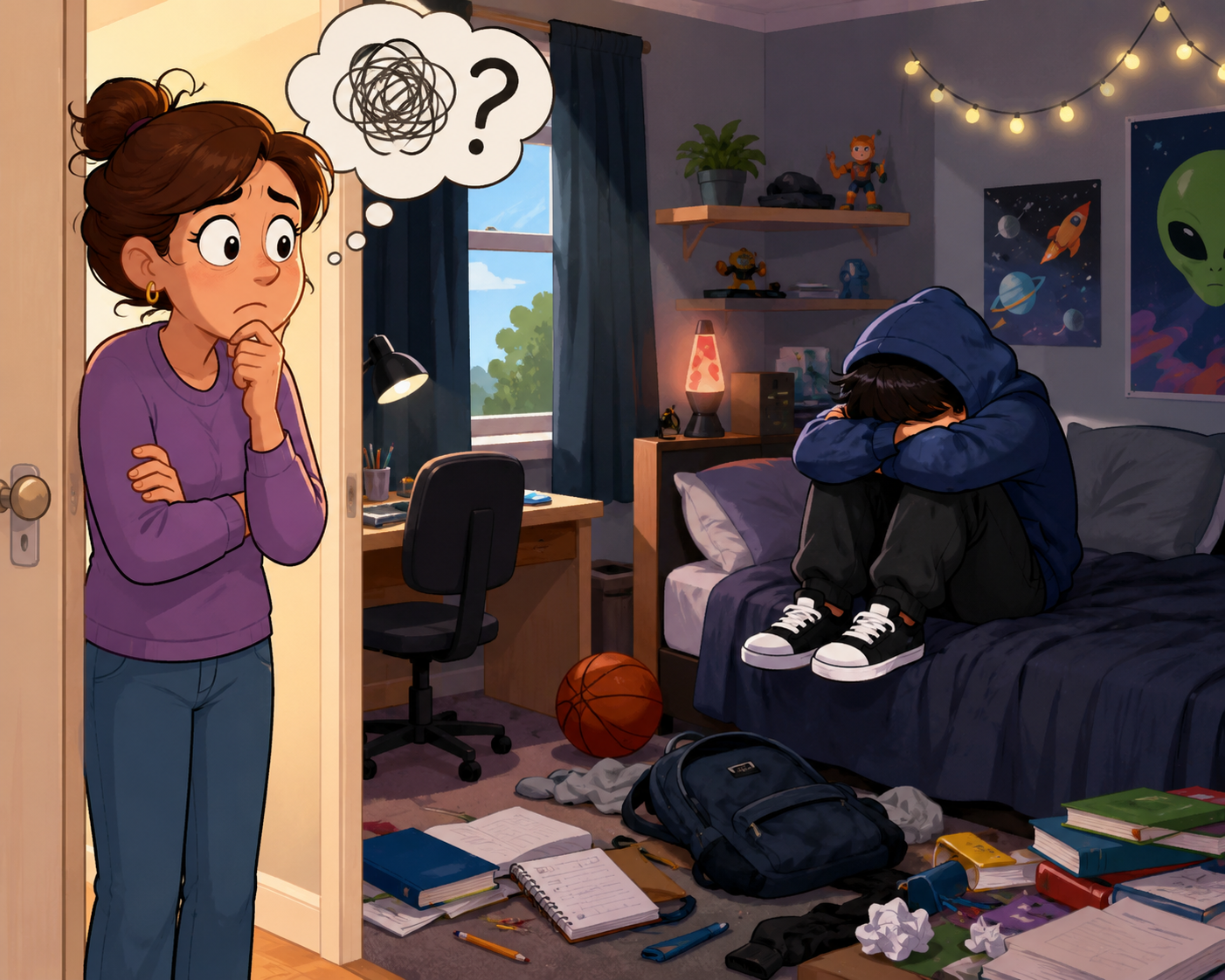
My Teenager Has Completely Shut Down Academically. Where Do I Even Start?
When a teenager shuts down academically, the silence says more than any grade report. This post explains what academic shutdown actually is, why the standard parental responses almost always make it worse, and where to actually start, beginning with the relationship, not the grades.

How Private Tutors Help Kids Who Struggle With Homework Every Single Night
Nightly homework battles are exhausting for the whole family. But the battle is almost never really about the homework. This post breaks down the four real reasons homework becomes a nightly fight, what a private tutor actually changes about the dynamic, and what parents can do right now to make tonight easier.
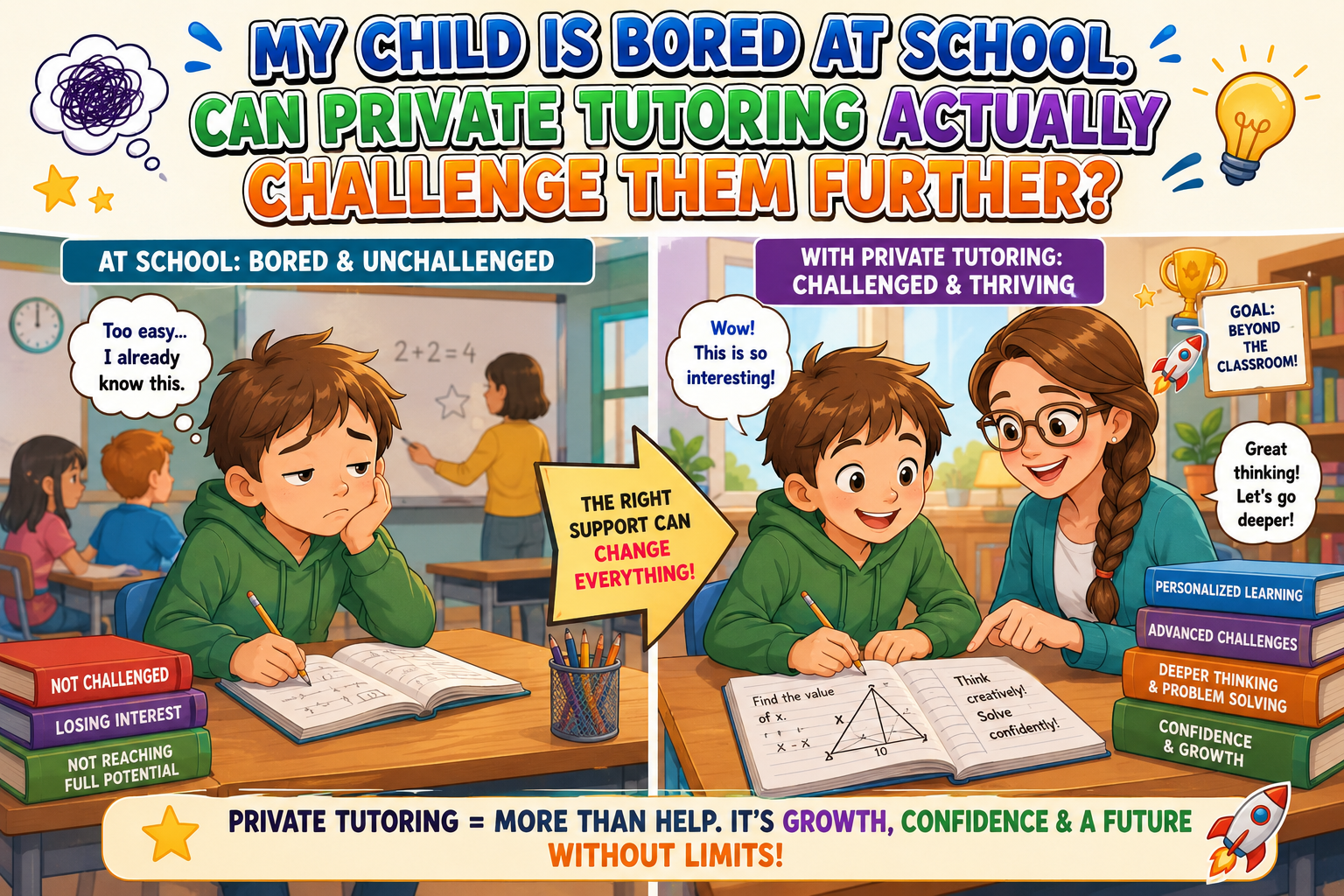
My Child Is Bored at School. Can Private Tutoring Actually Challenge Them Further?
Most tutoring content is written for students who are struggling. This post is for the students who are not struggling at all, who are bored, coasting, and quietly disengaging from school because nothing in the curriculum is asking enough of them. Private enrichment tutoring is not just for students who are behind. It is for students whose minds are ahead.

How to Help a Student Who Has Fallen Behind After Missing School
Your child fell behind after missing school and the class has moved on without them. This post gives you a four-step practical recovery plan: assess the actual gap, build a realistic timeline, get the right support in place quickly, and rebuild confidence alongside the content. Because the comeback is always possible.
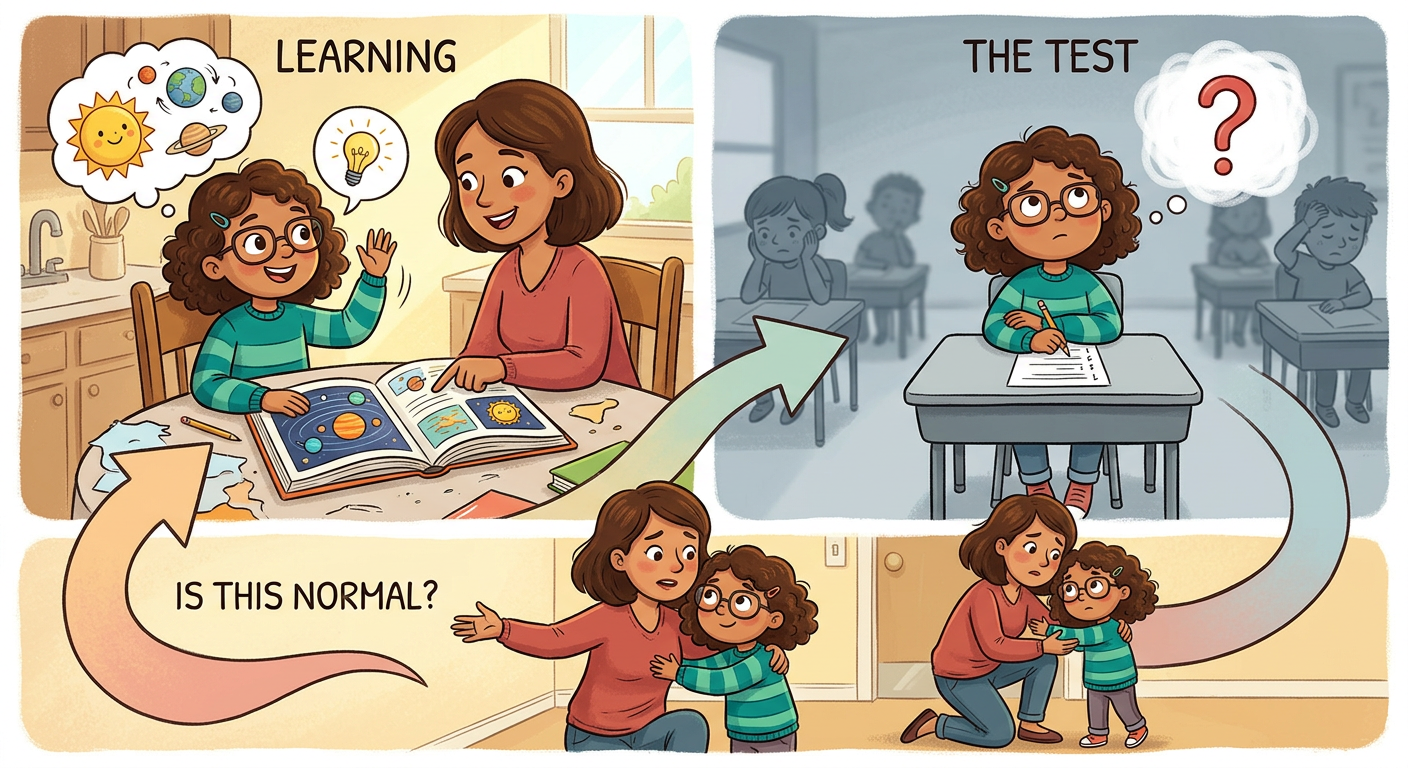
My Child Understands the Lesson, but Blanks Out on Tests. Is This Normal?
Your child can explain every concept at home and then go completely blank on the test. This post explains exactly what is happening in the brain during test anxiety, why standard test prep only solves half the problem, and how the Teachertainment approach builds both the knowledge and the ability to perform under pressure.
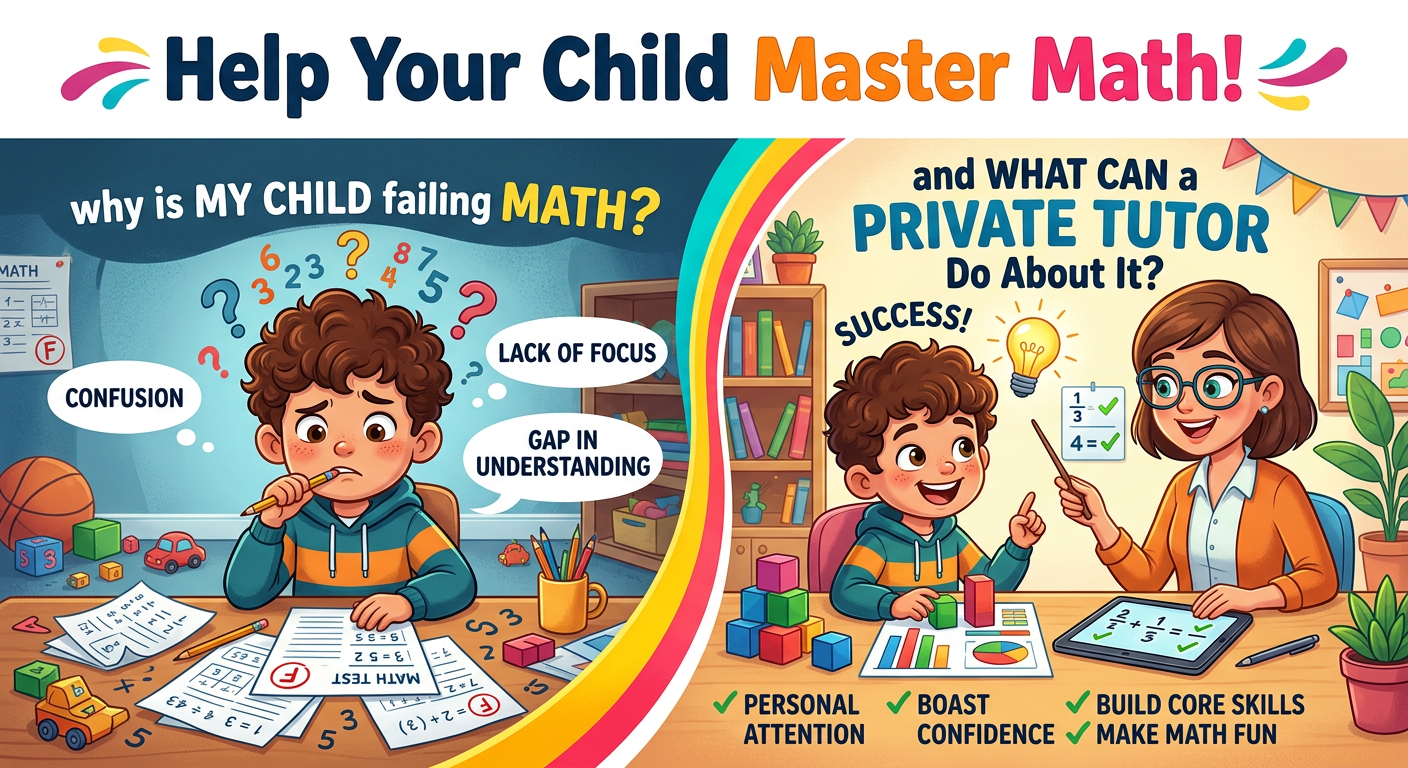
Why Is My Child Failing Math and What Can a Private Tutor Do About It?
Your child is failing math and you are looking for answers. This post breaks down the four most common real causes of math failure, what a private tutor can do that classroom instruction cannot, and exactly how the Teachertainment approach rebuilds both the skills and the confidence at the same time.